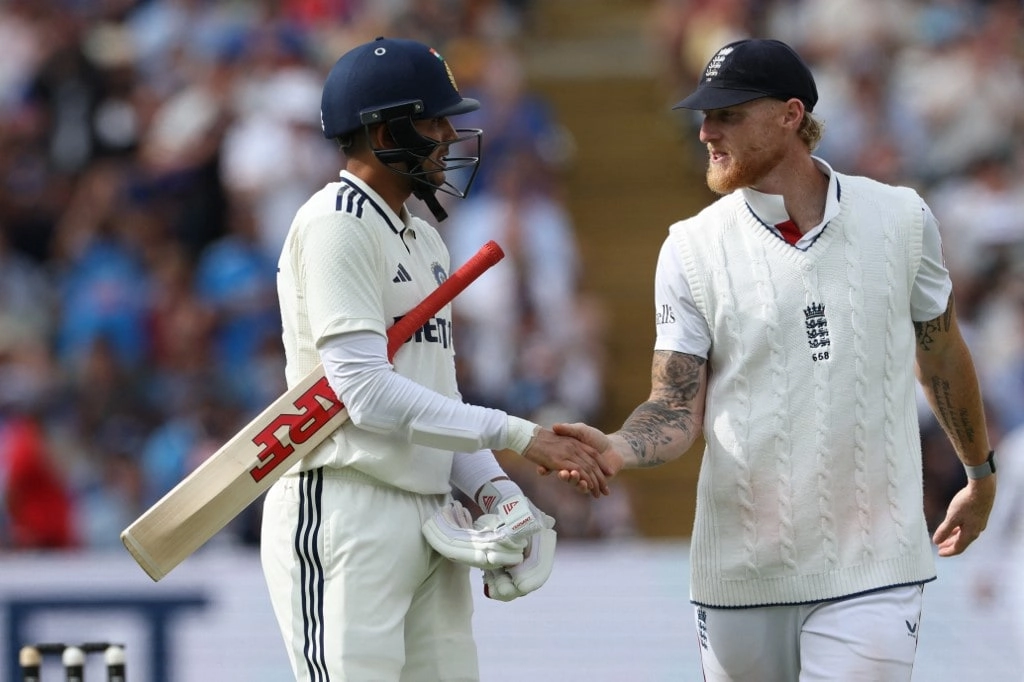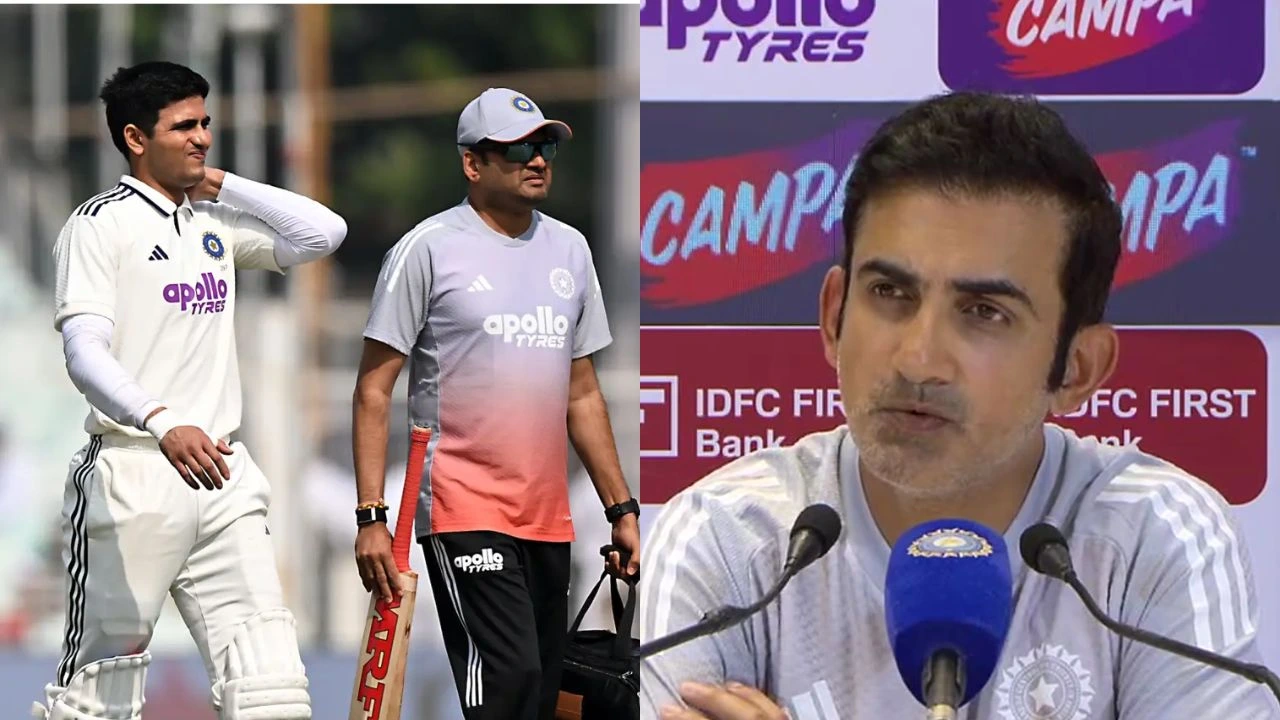
Shubman Gill’s recent neck injury has sparked discussions within the Board of Control for Cricket in India (BCCI) regarding his position in the national team. His inability to participate in crucial matches due to this injury has raised concerns about his fitness and reliability as a player. As a result, there are indications that the BCCI may consider a significant change in the team’s structure, including the possibility of sacking Gill from his current role. This decision is particularly sensitive given Gill’s potential and contributions to the team, making it a topic of intense debate among cricketing circles.
In light of these developments, a proposal for a “split captaincy” has emerged as a potential solution to the ongoing leadership challenges faced by the Indian cricket team. The idea is to appoint different captains for various formats of the game, allowing for a more specialized approach to leadership. Such a strategy could enable the team to adapt to the unique demands of Test matches, One Day Internationals (ODIs), and T20s, while also ensuring that players like Gill, who may be struggling with injuries, can be replaced without significant disruption. This approach aims to foster a more resilient team dynamic and maintain competitive performance across all formats.
The discussions surrounding Gill’s future and the concept of split captaincy highlight the pressures and expectations placed on players at the international level. The BCCI’s deliberations reflect a broader trend in cricket, where teams are increasingly exploring innovative strategies to enhance performance and manage player welfare. As the cricketing world watches closely, the decisions made in the coming weeks will be crucial for shaping the future of Indian cricket, particularly as they prepare for upcoming tournaments and series. The balance between nurturing talent and ensuring team effectiveness remains a critical consideration for the BCCI as they navigate these challenging circumstances.