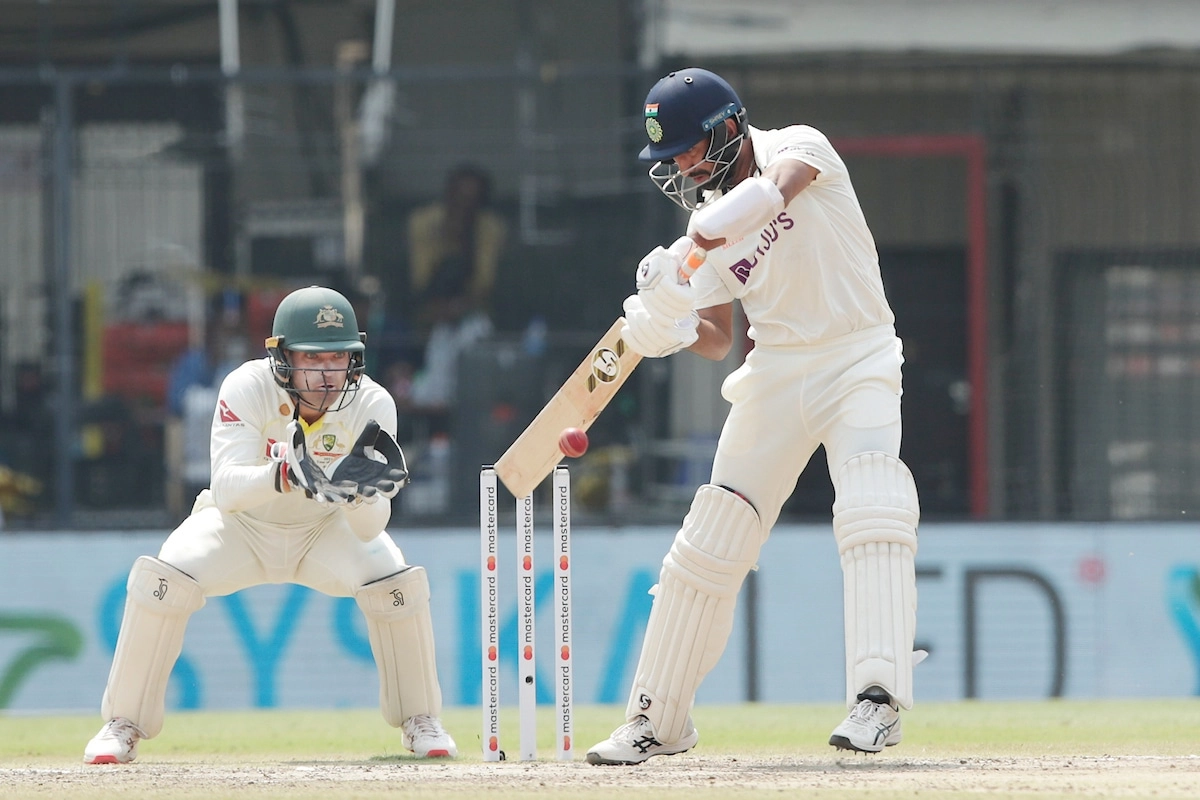
Cheteshwar Pujara, the seasoned Indian cricketer, has recently expressed his candid views on the nature of pitches being prepared for Test matches in India, specifically referring to them as “rank-turners.” His observations come in the context of the upcoming World Test Championship (WTC) cycle, where the quality of the playing surfaces can significantly influence the performance of the teams involved. Pujara’s critique highlights a growing concern among players and analysts alike regarding the balance between bat and ball in the Test format. He believes that excessively spinning pitches can create an uneven playing field, where the outcome is heavily swayed in favor of spinners, thus diminishing the essence of the game.
In his commentary, Pujara emphasized the importance of preparing pitches that offer a fair contest between batters and bowlers. He noted that while spinners are an essential part of the Indian bowling attack, the current trend of producing pitches that turn sharply from the first day can be detrimental to the overall quality of Test cricket. Pujara’s frank remarks suggest that such conditions may not only affect the performance of visiting teams but can also hinder the development of Indian batsmen, who need to face varied conditions to hone their skills. The implications of this issue extend beyond individual matches; they could impact India’s strategy in the WTC, where consistency and adaptability are key to success.
As the cricketing world turns its attention to the ongoing WTC cycle, Pujara’s statements raise critical questions about pitch preparation and its influence on the game. The discourse surrounding pitch conditions is not new, but Pujara’s candidness adds weight to the argument for more balanced surfaces. With the WTC being a prestigious tournament that showcases the best of Test cricket, the ability to play in diverse conditions is paramount for teams aiming for success. If India continues to produce pitches that favor spin excessively, it could lead to a scenario where teams are not tested to their full potential, ultimately impacting the spirit of competition that defines Test cricket.
The need for a fair contest on the field is vital for maintaining the integrity of the sport. Pujara’s remarks serve as a wake-up call to the authorities responsible for pitch preparation, urging them to consider the long-term implications of their decisions. As players prepare for crucial matches in the WTC, the focus should shift towards creating surfaces that challenge both batsmen and bowlers alike, fostering a more competitive environment. The evolution of Test cricket relies on the ability to adapt to different conditions, and it is essential for teams to be equipped to handle a variety of challenges. Pujara’s insights may very well catalyze a much-needed dialogue on how pitches can be improved to enhance the quality of the game, ensuring that Test cricket remains a true test of skill and resilience.