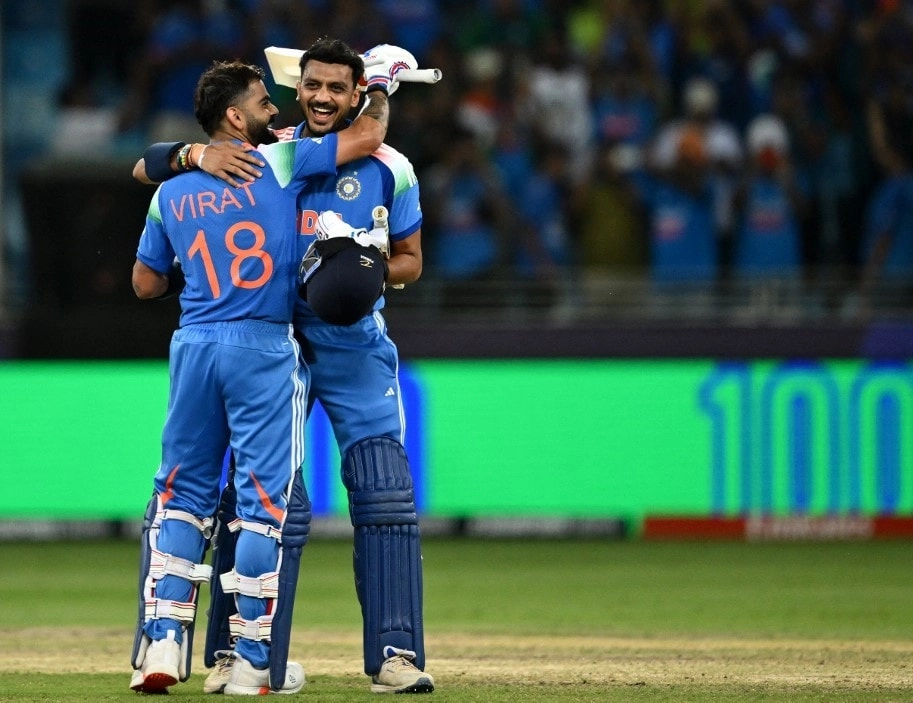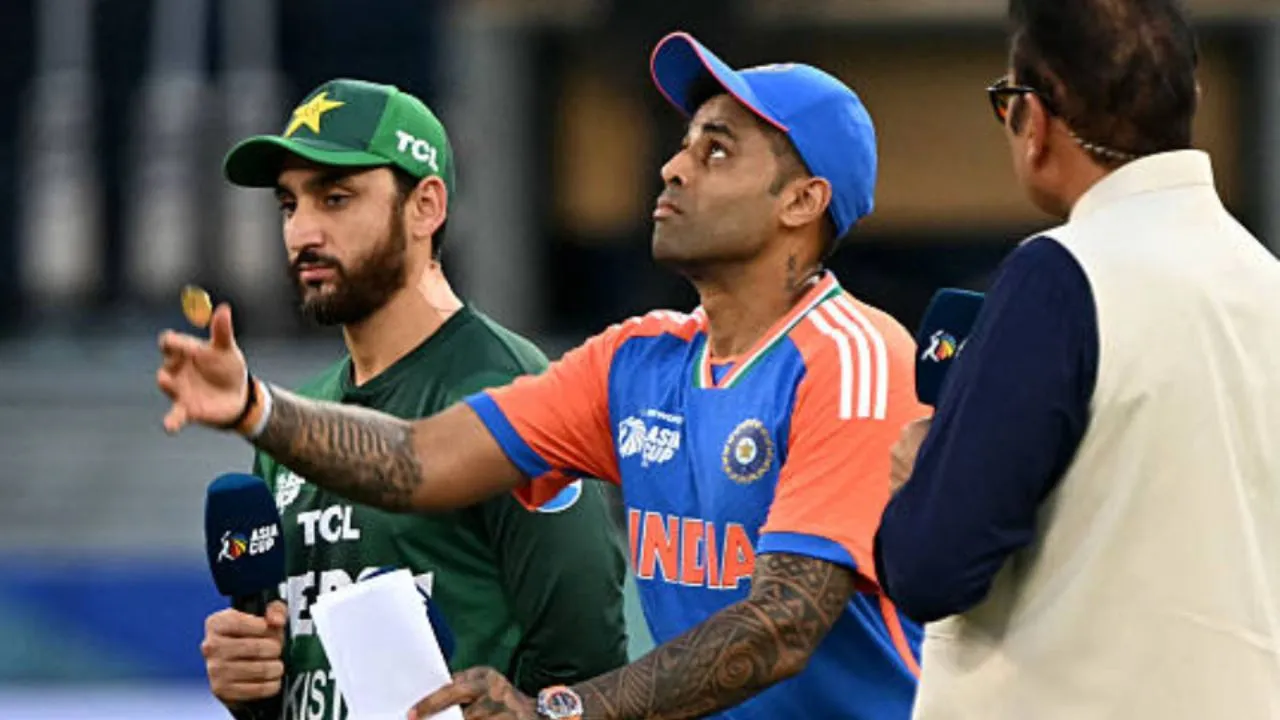
The Pakistan Cricket Board (PCB) is reportedly contemplating a boycott of the semi-final and final matches of the T20 World Cup 2026, particularly if they are scheduled to be held against India. This decision comes in light of ongoing tensions and historical animosities between the two cricketing nations. The PCB’s stance highlights the complexities of international cricket, where politics often intertwine with sports, affecting the dynamics of competition and participation in global events.
Given the high stakes and the passionate rivalry between Pakistan and India in cricket, the PCB’s potential boycott reflects deeper sentiments among fans and officials alike. The T20 World Cup, being one of the most prestigious tournaments in the cricketing calendar, draws significant attention from supporters in both countries. A decision to withdraw from crucial matches could have far-reaching implications, not just for the teams involved but for the tournament’s overall integrity and atmosphere.
The PCB’s colossal verdict signifies a shift in how cricketing relations may evolve in the coming years. As stakeholders in the sport grapple with issues ranging from security concerns to diplomatic relations, the prospect of boycotting matches could serve as a powerful statement. It underscores the need for meaningful dialogue and resolution of underlying issues that transcend the sport itself. The cricketing fraternity will be watching closely to see how this situation unfolds and the potential impact it may have on future tournaments and the spirit of cricket.