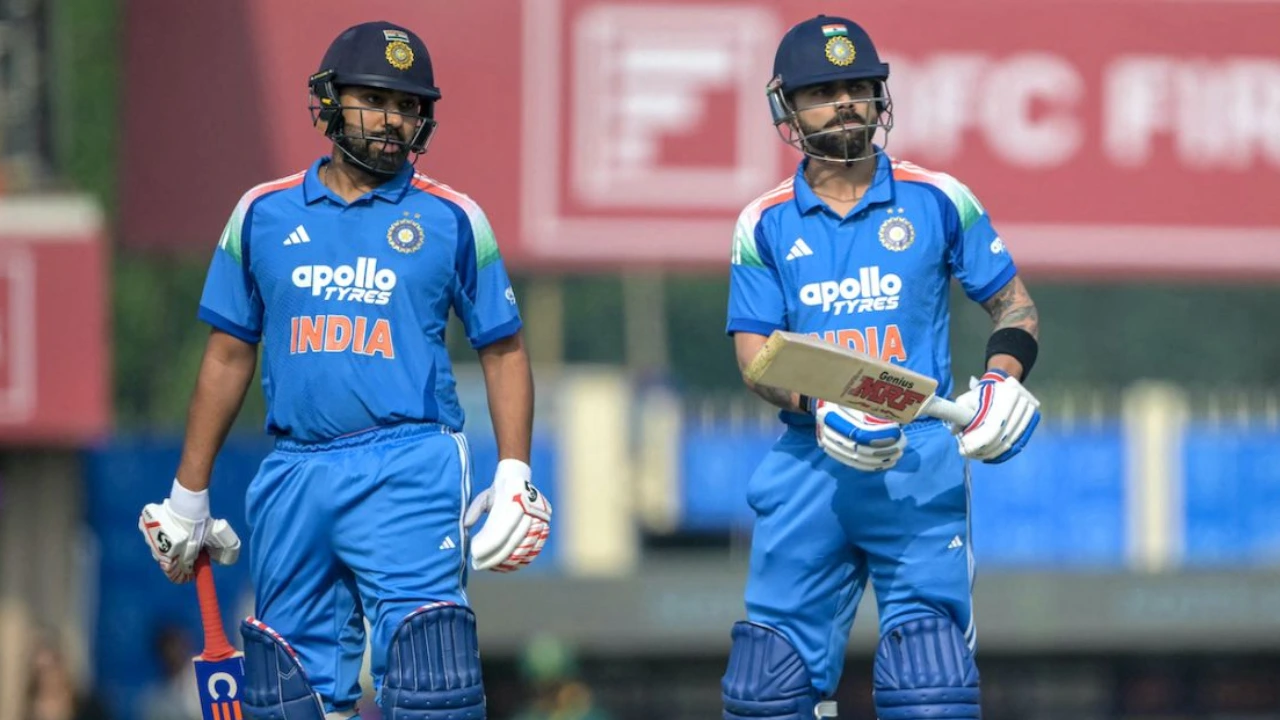
A recent statement suggesting that Virat Kohli and Rohit Sharma are “1000 times better than other Indian players” has ignited a wave of controversy among cricket fans and analysts alike. This remark, likely intended to highlight the exceptional talents and achievements of these two cricketing stalwarts, has instead provoked debates about the merit of comparing players within a team sport as diverse and complex as cricket. Kohli and Sharma have undoubtedly carved out their legacies through outstanding performances, numerous records, and leadership roles in the Indian cricket team, but such sweeping comparisons can overshadow the contributions of other talented players who have also played significant roles in the team’s success.
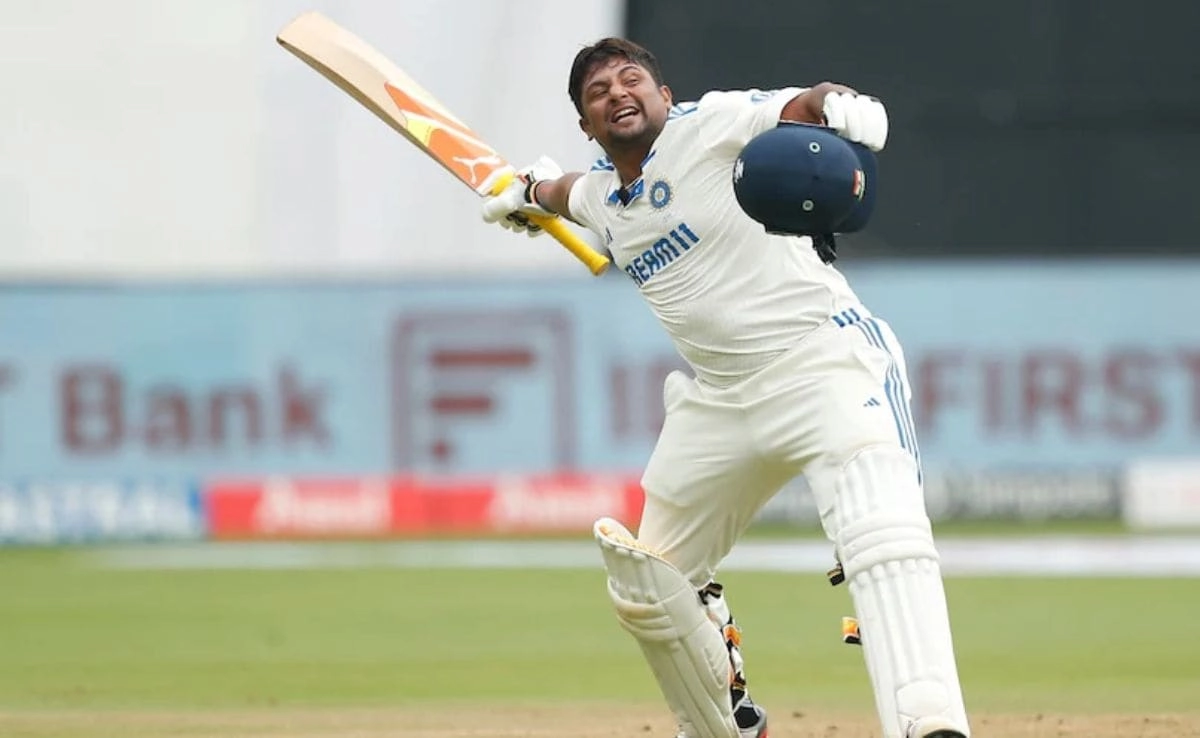
Critics argue that while Kohli and Sharma are exceptional talents, the sport is a collective effort where each player’s contribution is vital to the team’s performance. Other Indian cricketers, past and present, have demonstrated remarkable skills and have made substantial contributions to the team, both on and off the field. By elevating just two players to such an extreme level, the statement risks diminishing the achievements of other players who have worked hard and given their all for the team. It also raises questions about the nature of sportsmanship and respect within the cricketing community, as it implies a hierarchy that may not accurately represent the realities of team dynamics.
Moreover, comparisons can instigate division among fans and players, as they may lead to an unhealthy rivalry, fostering an environment where players feel pressured to outdo each other rather than collaborate for the greater good of the team. This situation is further complicated by the fact that cricket is a team sport where success is often the result of collective effort rather than individual brilliance. While Kohli and Sharma may have set benchmarks for excellence, it is essential to acknowledge the broader context of their success and the myriad of players who have contributed to the rich tapestry of Indian cricket. In a sport that thrives on unity and teamwork, it is crucial to celebrate all players’ contributions rather than draw stark lines of comparison.
In conclusion, while it is undeniable that Virat Kohli and Rohit Sharma have made significant impacts on Indian cricket, the assertion that they are “1000 times better” than their peers is a contentious one. Such statements warrant re-examination of how we appreciate talent in sports. Aligning the narrative to recognize collective contributions may not only foster a more inclusive atmosphere but also enhance the appreciation of the team’s accomplishments as a whole. The spirit of cricket lies in teamwork, and it is important to remember that every player, regardless of their standing, plays a role in shaping the game and its legacy.