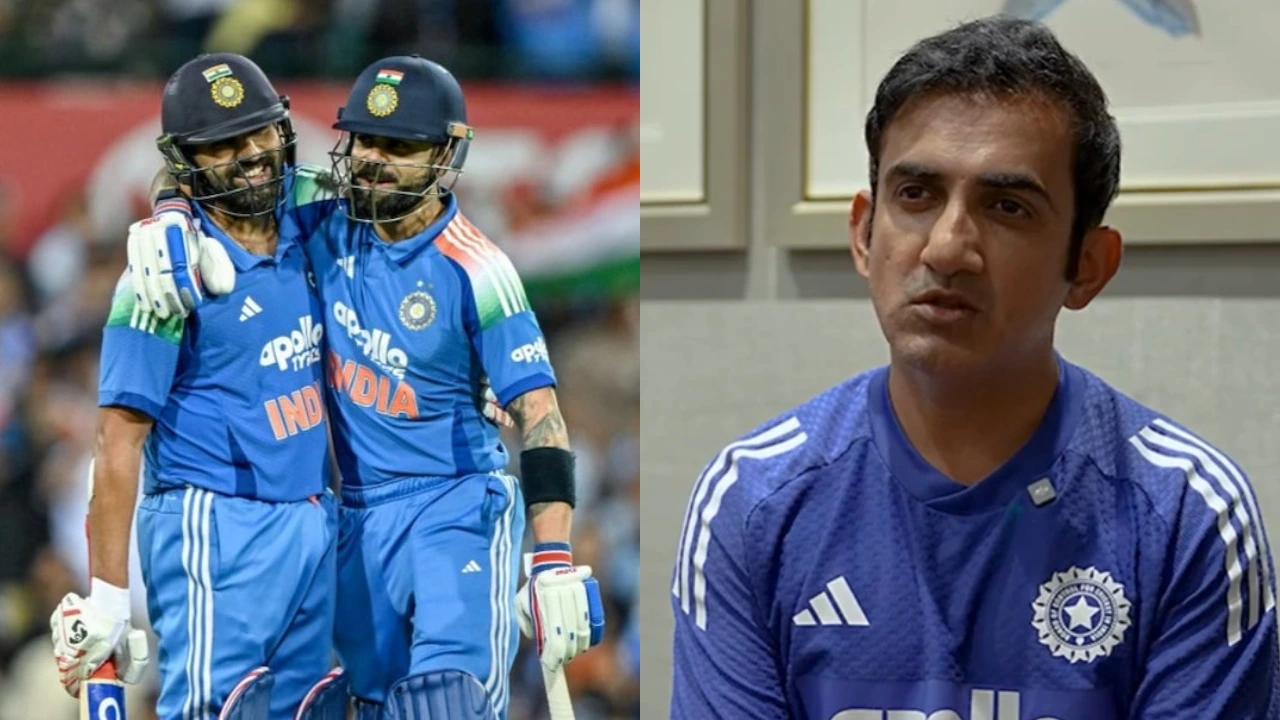
In recent developments within the Indian cricketing landscape, tensions have emerged between Virat Kohli and the Board of Control for Cricket in India (BCCI). Kohli, a prominent figure in Indian cricket and former captain, has reportedly taken a stand against certain decisions made by the BCCI, leading to speculation about his future with the team. His decision to block the board’s directives indicates a growing rift and raises questions about the dynamics between star players and cricketing authorities. This situation is not merely a personal clash; it reflects broader issues within Indian cricket, including governance, player autonomy, and the evolving expectations of a new generation of cricketers.
On the other hand, Rohit Sharma, the current captain, has taken a contrasting approach by seemingly capitulating to the selectors’ demands. This surrender may suggest a willingness to align with the BCCI’s vision for the team, possibly in a bid to maintain harmony and ensure a unified front as the team prepares for upcoming international challenges. Rohit’s decision could be viewed as a pragmatic move in a highly competitive environment, where team cohesion is essential for success. However, it also raises concerns among fans and analysts about the implications of such concessions on team morale, leadership dynamics, and the overall direction of Indian cricket.
As both players navigate their respective paths, the future of Indian cricket hangs in the balance. The contrasting approaches of Kohli and Sharma highlight a critical juncture for the team, as it faces not only the pressures of performance but also the complexities of internal relationships and external expectations. The BCCI’s role in mediating these dynamics will be crucial in shaping the future trajectory of the team. Moving forward, it will be essential for both players, the selectors, and the board to find a common ground that fosters a positive environment conducive to success while respecting the individual identities and opinions of its stars. The coming months will undoubtedly be pivotal in determining how these tensions will impact the team’s performance on the international stage.