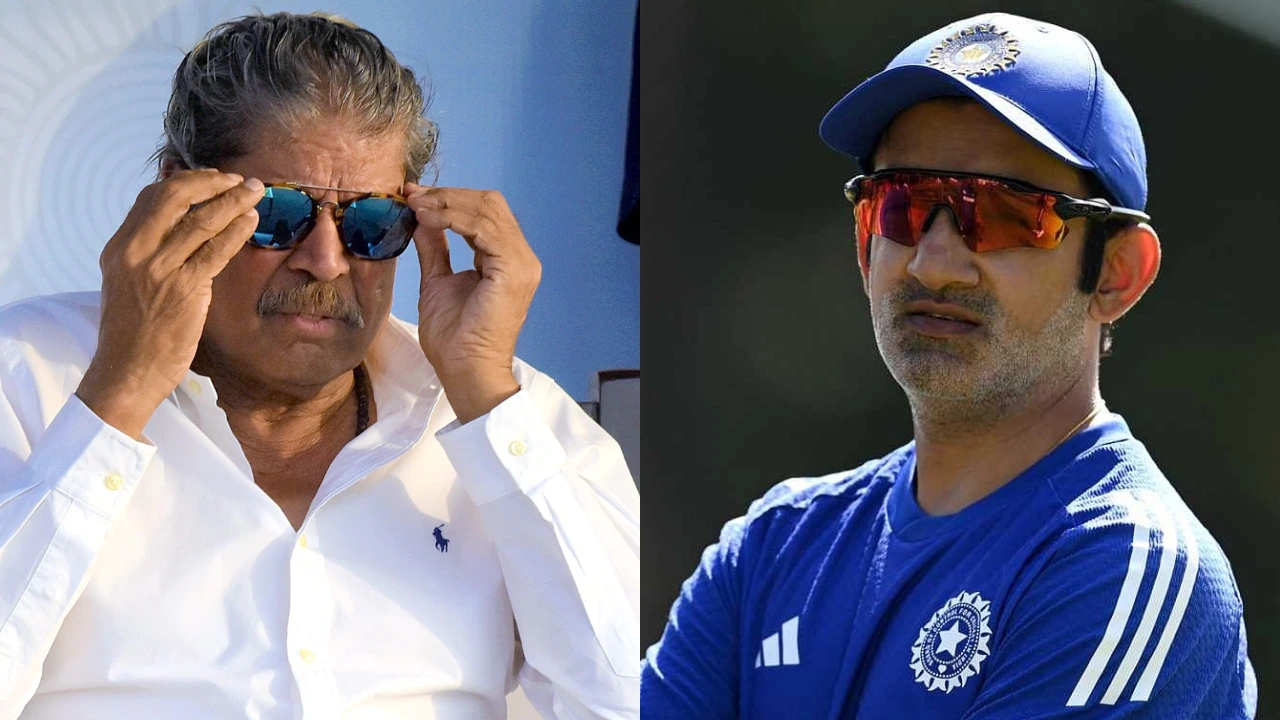
Kapil Dev, the legendary Indian cricketer and former captain, has recently stirred up significant conversation within the cricketing community by sharing his thoughts on Gautam Gambhir’s suitability for a coaching role. In a candid statement, Kapil expressed his surprise and concern regarding Gambhir’s ambitions to become a coach, questioning his qualifications and the essence of coaching itself. He remarked, “How can you be a coach if you have not played at the highest level for a sustained period?” This comment highlights the ongoing debate about what constitutes the right background for effective coaching in sports.
Dev’s remarks come against the backdrop of a changing landscape in cricket, where former players increasingly seek coaching and mentoring roles after their playing careers. While Gambhir has had a successful stint as a player, including winning the T20 and ODI World Cups for India, Kapil’s perspective emphasizes the notion that coaching requires a deeper understanding of the game, often derived from prolonged experience in high-pressure situations. This raises questions about the criteria that should be considered when selecting coaches in professional sports.
Moreover, Kapil Dev’s statement reflects a broader concern regarding the qualifications and experience of coaches in cricket. As the sport evolves, there is a growing recognition that coaching demands not only tactical knowledge but also the ability to manage players and foster their development. Kapil’s critique serves as a reminder that successful coaching may need a combination of on-field experience and the capacity to impart that knowledge effectively. This discourse invites further examination of how cricketing authorities evaluate potential coaches and what standards should be upheld to ensure the growth and success of future talent.
In conclusion, Kapil Dev’s comments on Gautam Gambhir’s coaching aspirations resonate with ongoing discussions about the essential qualities of effective coaches in cricket. As the dynamics of the game continue to evolve, it is crucial to consider the experiences and qualifications of those who take on these pivotal roles. The cricketing community will undoubtedly be watching closely to see how this dialogue unfolds and whether it influences the future landscape of coaching in the sport.