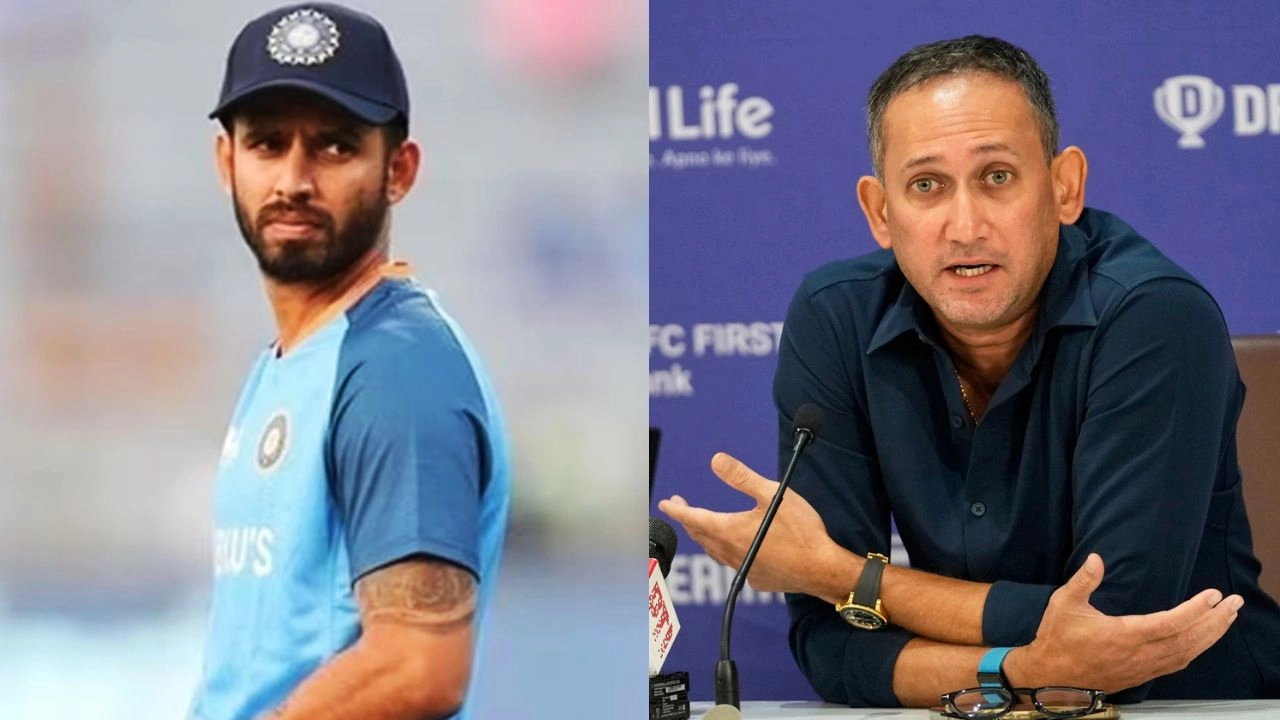
Jitesh Sharma has come forward to reveal concerns regarding the lack of communication from Ajit Agarkar, particularly in relation to the recent T20 World Cup snub. This revelation has sparked significant interest in the cricketing community, as it highlights potential issues within the selection process and the transparency of decisions made by the management. Sharma, who has been a prominent player in the domestic circuit, expressed his disappointment over the absence of dialogue concerning his exclusion from the T20 World Cup squad. He emphasized the importance of communication between players and selectors, especially when it comes to crucial tournaments that can define a player’s career.
Sharma’s comments suggest a broader issue within the team’s management, raising questions about how selections are communicated to players. It is not just about individual disappointments; it reflects a systemic problem that could affect team morale and trust in the management. The role of selectors is crucial, and their ability to provide feedback and reasoning for their choices can significantly influence player performance and confidence. Jitesh’s candidness might prompt a reevaluation of how selectors engage with players, ensuring that they feel valued and informed about their standing in the team.
Furthermore, this situation underscores the need for a more transparent selection process in cricket. Players invest significant time and effort into their training and performance, and they deserve to understand the rationale behind decisions that impact their careers. Ajit Agarkar, as a key figure in the selection committee, may need to address these concerns head-on, fostering an environment where players can openly discuss their aspirations and receive constructive feedback. This not only helps in building a stronger team dynamic but also ensures that players remain motivated and focused on their game.
As the cricketing world watches closely, Jitesh Sharma’s revelations may serve as a catalyst for change, urging selectors to prioritize communication and transparency. This incident could lead to a more inclusive approach to team management, where players are kept in the loop and feel a part of the decision-making process. Overall, the dialogue initiated by Sharma could pave the way for a more harmonious relationship between players and selectors, ultimately benefitting the team as a whole in future competitions.