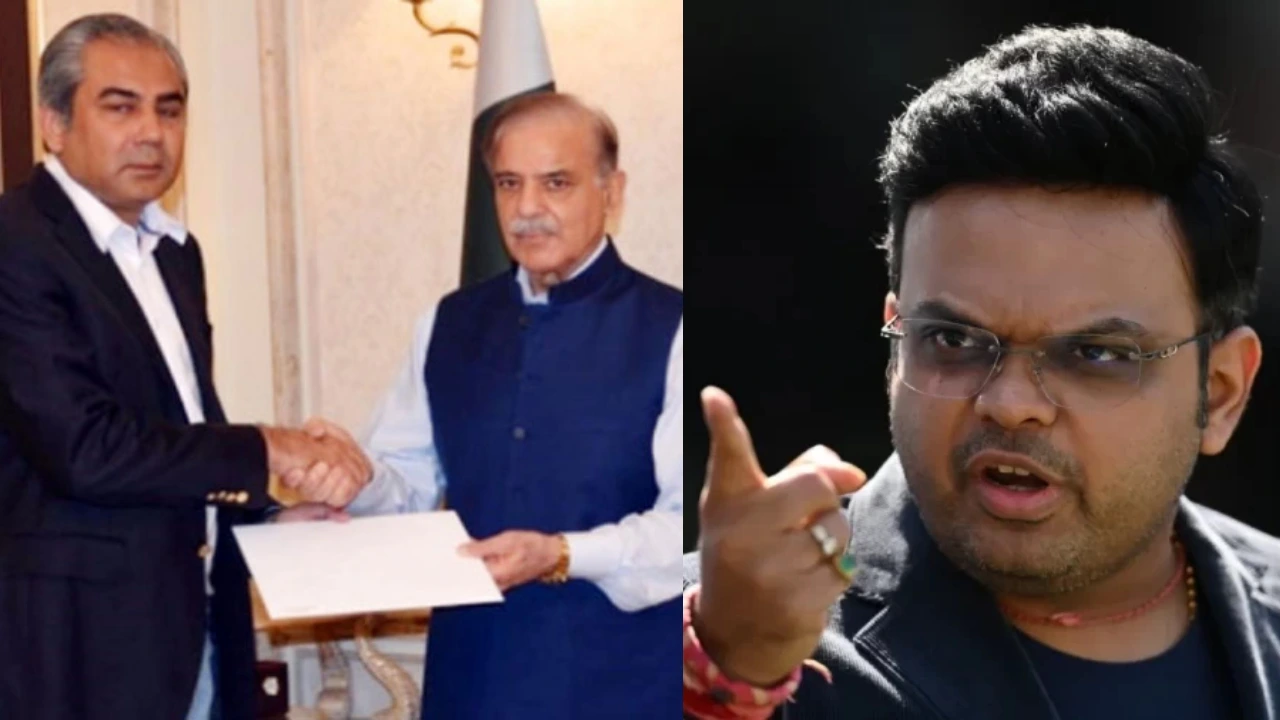
The ongoing tension between India and Pakistan, especially in the realm of cricket, has been a topic of significant discussion in recent months. The controversy surrounding the participation of the Indian cricket team in the T20 World Cup 2026 has drawn attention, particularly following the statements made by Jay Shah, the Secretary of the Board of Control for Cricket in India (BCCI). Initially, there were strong indications that India might boycott the tournament if Pakistan was allowed to participate, reflecting the strained political relations between the two nations. Shah’s comments set the stage for a heated debate, emphasizing India’s firm stance against playing matches in Pakistan or against the Pakistani team, given the ongoing geopolitical tensions.
However, as the discussions evolved, there appeared to be a shift in tone and strategy. The BCCI and cricketing authorities began to reconsider their positions, acknowledging the importance of international tournaments and the need for collaboration in cricket, despite the underlying political issues. This U-turn sparked various reactions, with some cricket enthusiasts expressing disappointment at the perceived compromise, while others welcomed the idea of using sports as a means to foster dialogue and improve relations between the two countries. The timeline of events illustrates a complex interplay of sportsmanship, politics, and public sentiment, highlighting how cricket continues to be a powerful tool for both unity and division.
As the T20 World Cup 2026 approaches, the discussions surrounding India’s participation and the status of Pakistan within the tournament remain dynamic and contentious. Jay Shah’s influence and the BCCI’s decisions will play a crucial role in shaping the future of cricketing ties between the two nations. The cricketing community watches closely, aware that the outcomes of these deliberations could set precedents for future interactions in the world of sports, transcending the boundaries of politics and rivalry. Ultimately, the controversy reflects broader themes of national identity, pride, and the hope for reconciliation through shared passions like cricket.