
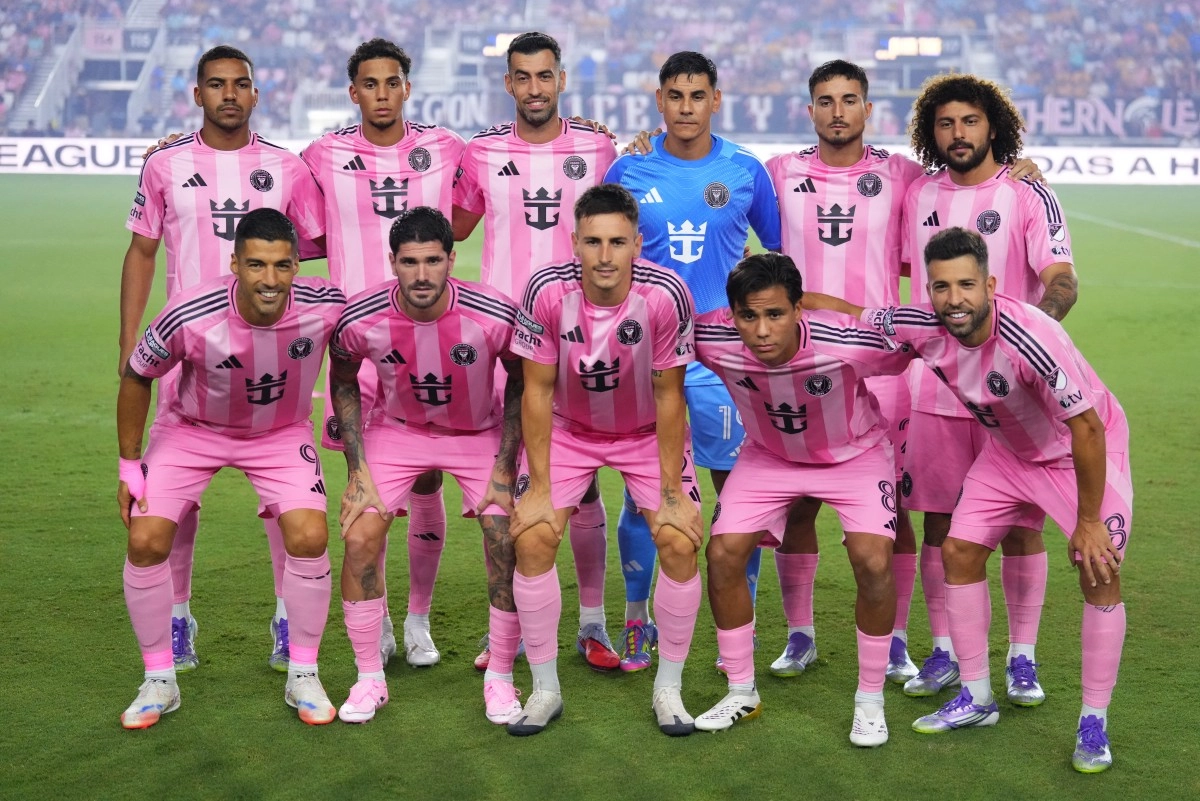
Inter Miami’s recent success in the Leagues Cup has prompted a rescheduling of one of its regular-season matches. The team’s advancement to the semi-finals of the tournament has created a conflict in their schedule, leading Major League Soccer (MLS) officials to make adjustments to accommodate this unexpected achievement. The rescheduled match, which was originally slated to take place during the regular season, will now occur at a later date, ensuring that the players can focus on their performance in the Leagues Cup without the burden of overlapping commitments.
This change reflects the growing importance of the Leagues Cup in the soccer calendar, as teams compete not only for glory but also for the opportunity to enhance their visibility and stature in both domestic and international competitions. For Inter Miami, reaching the semi-finals is a significant milestone that underscores the team’s progress and potential in a short span since its inception. The match rescheduling is indicative of the league’s flexibility in accommodating teams that are making deep runs in cup competitions, allowing them to prioritize crucial matches that could lead to silverware.
Moreover, this rescheduling could have implications for the team’s momentum as they navigate through both the Leagues Cup and the ongoing MLS season. Inter Miami will need to maintain their focus and performance levels, as the competition in both tournaments intensifies. The coaching staff will likely be involved in strategizing not just for the immediate upcoming fixtures but also in planning for recovery and training schedules that align with the new timetable. This scenario highlights the challenges teams face in managing their rosters and maintaining peak performance across multiple competitions, particularly during a condensed schedule.
As fans eagerly anticipate the rescheduled match, the excitement surrounding Inter Miami’s journey through the Leagues Cup adds an extra layer of enthusiasm to the club’s following. Supporters will be keen to see how the team capitalizes on this moment, and whether they can carry the momentum from the tournament into their regular-season play once the match is rescheduled. Ultimately, the decision to adjust the schedule reflects the dynamic nature of professional soccer, where success in one arena can significantly impact the broader competitive landscape. This flexibility exemplifies the league’s commitment to fostering a thriving environment for teams and their fans, reinforcing the importance of both league play and tournament success.


