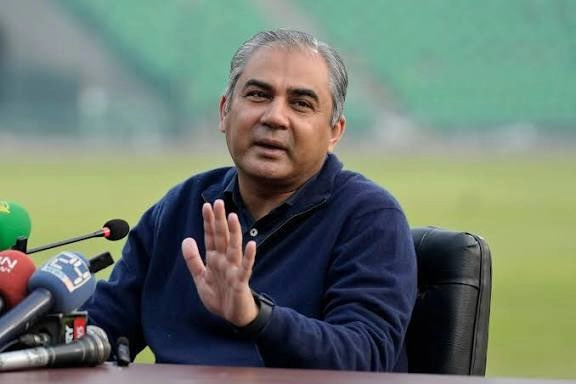
In a recent statement that has stirred considerable debate, an Indian World Cup winner has asserted that Mohsin Naqvi, a prominent Pakistani figure, lacks the requisite knowledge to effectively engage in discussions about the intricacies of cricket and sports governance. This claim not only highlights the perceived deficiencies in Naqvi’s understanding but also raises questions about the influence and decision-making power of the Pakistan Army in the realm of sports. The assertion implies that significant decisions regarding cricket in Pakistan may not solely rest with the sporting authorities or the players themselves, but rather with military figures who wield considerable authority in various sectors of the country.
The assertion made by the Indian sports figure suggests a broader narrative about the intertwining of sports and politics in Pakistan. Historically, the Pakistan Army has played a dominant role in the political landscape of the country, often overshadowing civilian governance. This dynamic has, at times, extended into the realm of sports, where military interests could influence the management and direction of cricket, a sport that holds immense cultural significance in Pakistan. The idea that the Army decides everything implies a lack of autonomy for sports authorities, potentially stifling innovation and progress in the cricketing arena.
Moreover, this commentary reflects a critical view of how sports figures are perceived and how their qualifications are evaluated. In an age where expertise and knowledge are paramount, the ability of individuals like Naqvi to lead discussions and initiatives in cricket is crucial. The accusation of lacking knowledge could serve as a rallying point for advocates of reform in Pakistani cricket, emphasizing the need for individuals with a deep understanding of the sport to take the helm. This situation presents an opportunity for stakeholders in Pakistan cricket to reassess their leadership structures and ensure that decisions are made by those who genuinely understand the complexities of the game, rather than being influenced by external political pressures.
As the cricketing community and fans digest these remarks, it opens up a larger discourse on the role of governance in sports, the impact of military influence, and the need for well-informed leadership in cricket, especially in a cricket-loving nation like Pakistan. The interplay between sports and politics remains a contentious issue, and the call for knowledgeable leaders in the sport could herald a new era for Pakistan cricket, one that prioritizes expertise and a genuine passion for the game over political affiliations or military oversight.