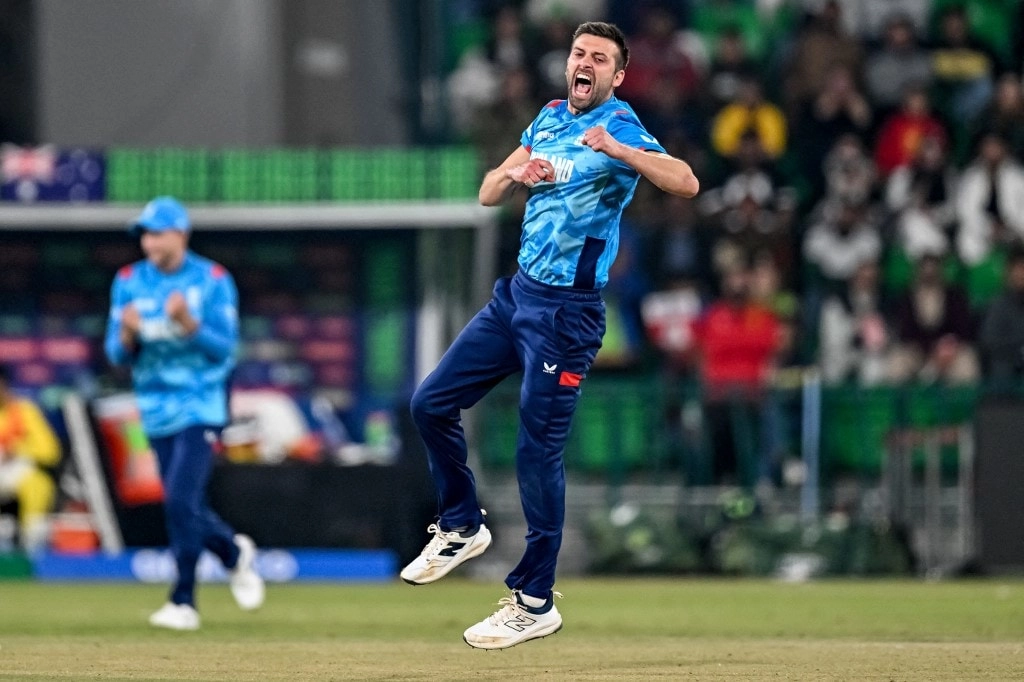
In a surprising turn of events, the recent decision to hold a legends match between India and Pakistan has sparked intense discussions among cricket enthusiasts and former players alike. As the cricketing world gears up for significant tournaments like the World Cup and the Olympics, the sentiment among many is clear: India should prioritize its competitive integrity and avoid playing against Pakistan in these high-stakes events. This call to action reflects a complex interplay of historical rivalries, political tensions, and the overarching significance of international sportsmanship.
Former cricketers and sports analysts have weighed in on the implications of such matches, arguing that engaging with Pakistan in the World Cup or Olympics could overshadow the spirit of the game. The emotional weight of India-Pakistan encounters often transcends the realm of sports, given the long-standing geopolitical issues between the two nations. As a result, many feel it is paramount for India to take a strong stance and promise not to engage with Pakistan in these crucial tournaments, redirecting focus towards fostering a more constructive and positive sporting environment.
While the legends match is intended to celebrate the rich cricketing heritage of both nations, it also serves as a reminder of the complexities involved in India-Pakistan relations. The enthusiasm for such matches can easily be overshadowed by the potential for discord during official competitions. Advocates for this promise emphasize that maintaining a level of distance in competitive formats could not only preserve the sanctity of the game but also promote a healthier sporting culture that is less fraught with external tensions.
As discussions continue, the cricket community remains divided on the issue. Some argue for the need for engagement and dialogue through sports, believing that these encounters can pave the way for better relations. However, others staunchly support the idea of setting boundaries in competitive contexts. Ultimately, the decision will require careful consideration of not just the sporting implications but also the broader social and political landscapes that influence these historic rivalries. The outcome of this debate will likely have lasting ramifications for both nations and the global cricketing community.