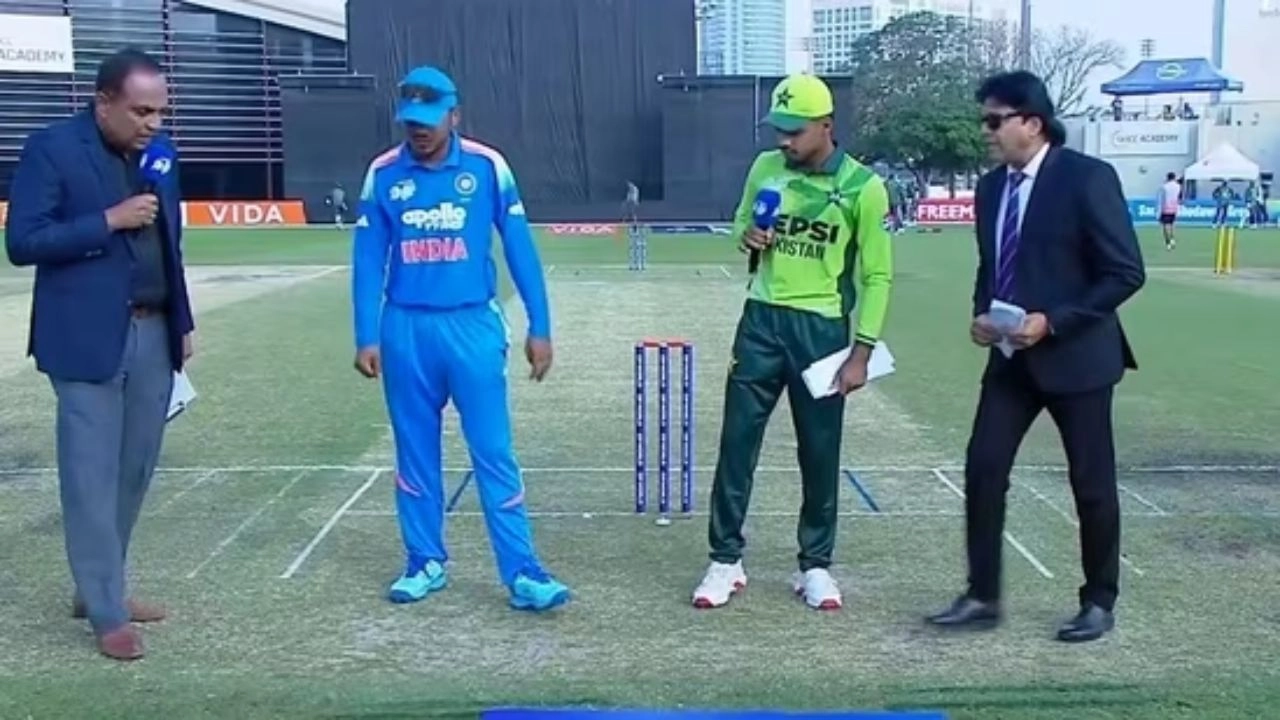
India has firmly maintained its ‘No-Handshake’ policy in sports, even in the face of a request from the International Cricket Council (ICC) ahead of the highly anticipated Under-19 cricket match against Pakistan. This stance reflects the ongoing tensions between the two nations and the broader context of their relationship, which has often spilled over into the realm of sports. The decision not to engage in handshakes, a customary gesture of sportsmanship, underscores India’s commitment to its position on the sensitive political landscape that surrounds cricket matches between these two rivals.
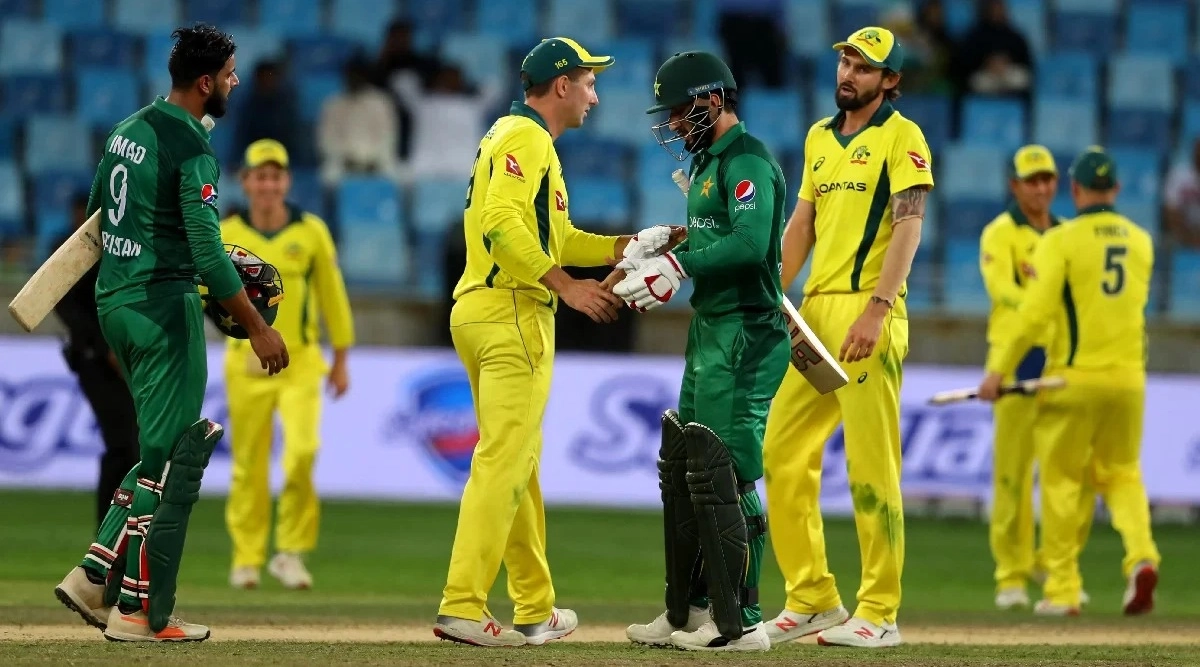
The ICC had urged both teams to participate in the traditional pre-match handshake as a way to promote sportsmanship and camaraderie among players. However, India’s cricketing authorities stood by their decision, emphasizing that their position is rooted in a desire to maintain a clear boundary between sporting events and political issues. The Under-19 cricket match is not just a game; it is a significant event that generates immense interest and passion among fans from both countries. As such, the decision to forgo handshakes serves as a reminder of the larger narrative that often accompanies encounters between India and Pakistan in various sports.
This situation is emblematic of the complexities involved in international sports, where personal gestures can take on broader meanings within the context of historical and ongoing conflicts. While many fans view sports as a unifying force, the reality is that these matches can also be a stage for expressing national sentiments and grievances. By adhering to the ‘No-Handshake’ policy, India is making a statement that resonates with its supporters, reflecting the broader political sentiment that exists between the two nations.
As the Under-19 teams prepare to clash, the focus will undoubtedly be on the cricketing skills displayed on the field. However, the absence of handshakes may serve as a backdrop for discussions about sportsmanship, diplomacy, and the role of sports in international relations. While some may view the decision as unfortunate, others may understand it as a necessary stance given the circumstances. Ultimately, this match will not only be a contest of talent and teamwork but also a reflection of the complex dynamics that define the relationship between India and Pakistan.