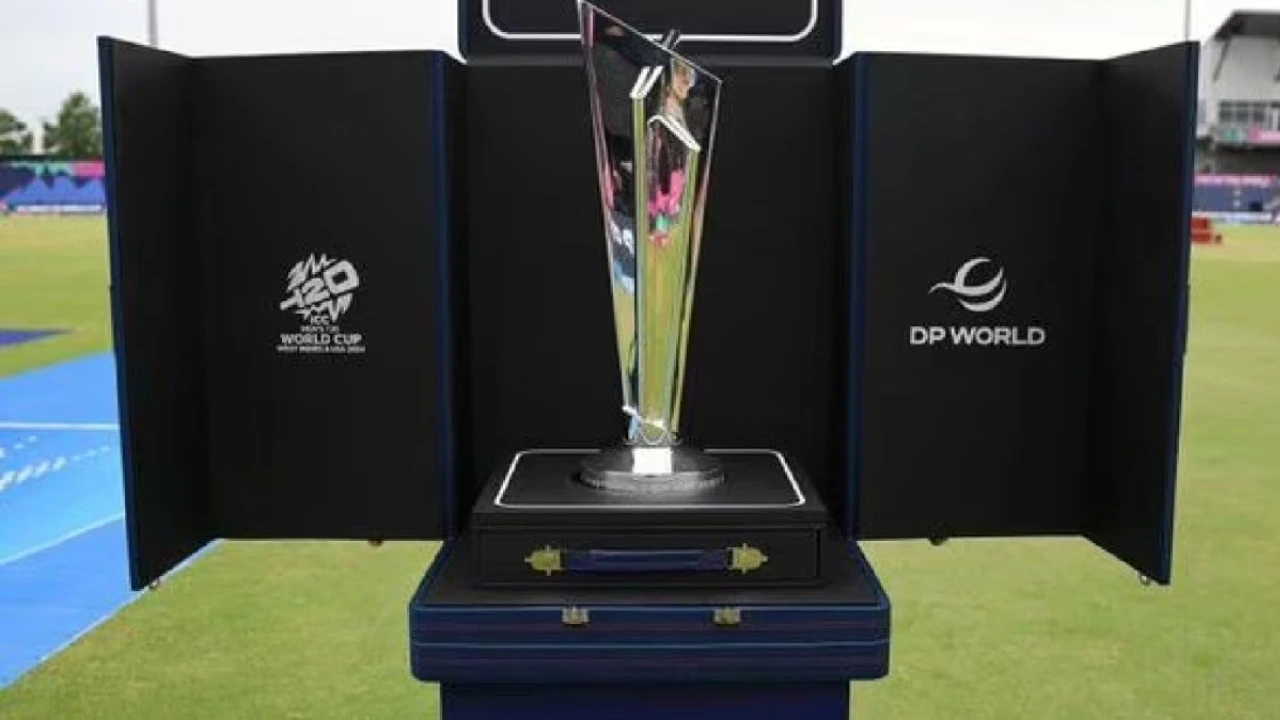
The ongoing tensions between the International Cricket Council (ICC) and the World Cricketers Association (WCA) have escalated into a fresh controversy as the cricketing world gears up for the T20 World Cup. Jay Shah, the president of the ICC, finds himself at the center of this dispute, which has raised questions about player rights and governance within the sport. The WCA, which represents the interests of professional cricketers globally, has been vocal about its concerns regarding the ICC’s policies and decision-making processes. This friction highlights the broader issues of player representation and the need for a more collaborative approach to governance in cricket.
As the T20 World Cup approaches, the stakes are particularly high. The ICC is responsible for organizing the tournament, but the WCA has expressed frustration over a lack of consultation regarding key decisions that impact players. The cricketers’ association argues that their input is essential for ensuring the welfare and rights of players are adequately represented in the ICC’s framework. This situation has become increasingly contentious, with both organizations exchanging public statements that reflect their conflicting priorities.
Critics of the ICC’s leadership, including members of the WCA, contend that the governing body has often sidelined players’ voices in favor of administrative convenience. This perception has led to calls for reform within the ICC to establish a more inclusive structure that accommodates the views of players. As the T20 World Cup is a platform for showcasing talent, the ongoing conflict could overshadow the tournament’s spirit, with players feeling the weight of unresolved issues between the two bodies. The resolution of this dispute is crucial not only for the immediate success of the T20 World Cup but also for the long-term health of cricket as a sport that values the contributions of its players.