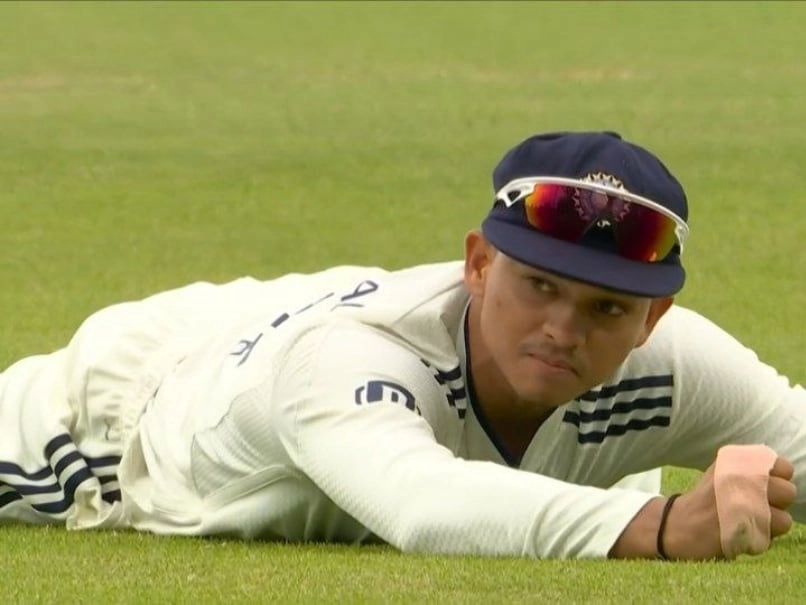
In a recent match that drew considerable attention, former Indian cricket legend Sunil Gavaskar expressed his concerns regarding a significant loophole in the game, particularly highlighted by the performance of young cricketer Yashasvi Jaiswal. During the match, Jaiswal dropped four crucial catches, an act that not only raised eyebrows among fans and commentators but also prompted Gavaskar to stress the need for a reevaluation of certain regulations in cricket. The incident underscored the importance of fielding in cricket, where every catch can potentially change the course of a game. Gavaskar, known for his insightful analyses and deep understanding of the sport, suggested that the current rules may not adequately address the implications of such mistakes, especially from players who are still finding their footing at the international level.
Gavaskar’s critique focused on the mental and strategic aspects of the game, arguing that allowing players to make repeated mistakes without consequences could undermine the competitive spirit of cricket. He proposed that there should be stricter measures in place to discourage careless fielding, particularly in critical moments of a match. This could include penalties or a review system that holds players accountable for their performances on the field. The essence of Gavaskar’s argument lies in the belief that cricket is not just a physical game but also a mental battle, and maintaining high standards should be a priority for all players, regardless of their experience.
The implications of Jaiswal’s dropped catches were significant, as they not only affected the outcome of the match but also placed additional pressure on the bowling unit. Each dropped catch can lead to a shift in momentum, potentially allowing the opposing team to capitalize on the error and build a robust innings. Gavaskar’s call for reform is indicative of a broader conversation within the cricket community about how to nurture young talent while ensuring accountability. As the sport evolves, it becomes essential to balance the encouragement of emerging players with the need for rigorous standards that define excellence in cricket.
In conclusion, Sunil Gavaskar’s observations regarding Yashasvi Jaiswal’s performance serve as a reminder of the complexities involved in cricket. The former cricketer’s advocacy for addressing loopholes in the game’s regulations reflects a desire to uphold the integrity of cricket while fostering the next generation of players. As fans and stakeholders contemplate these issues, the future of cricket may hinge on how well the sport adapts to ensure that talent is nurtured alongside a commitment to excellence.