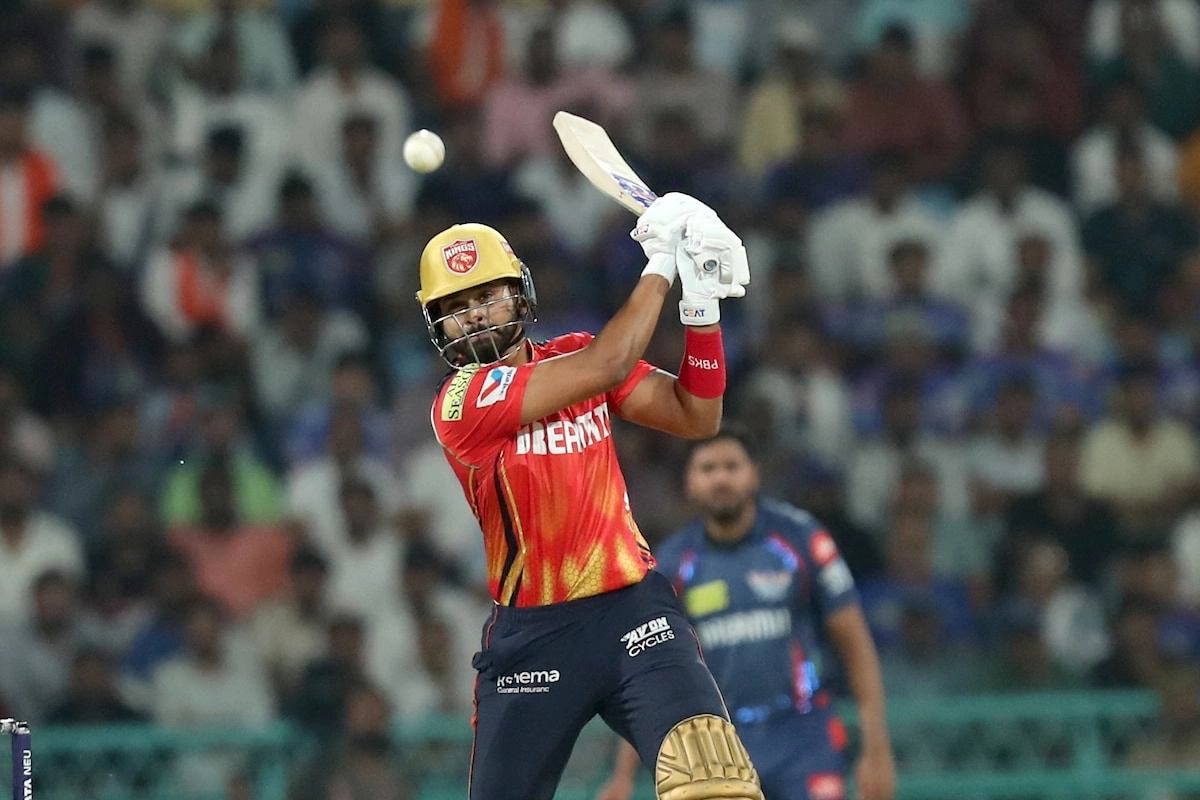
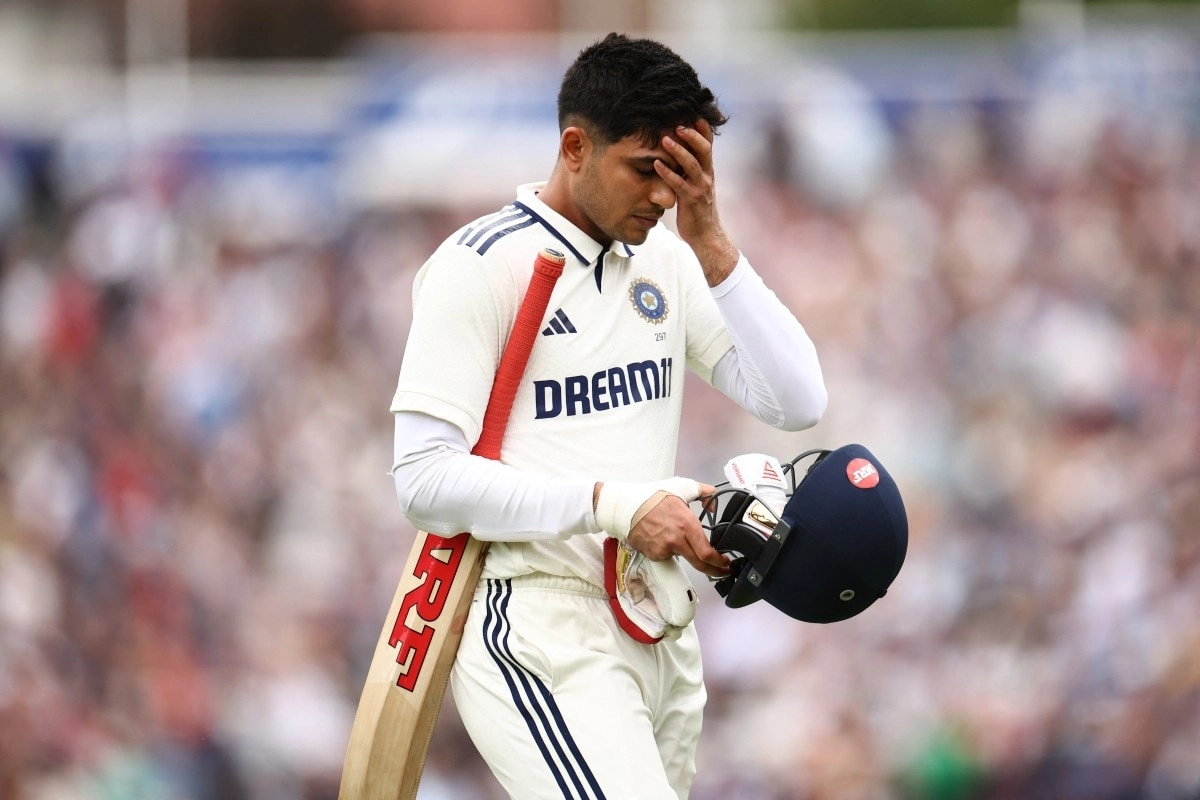
In a recent discussion about player development and mentorship in cricket, former Indian cricketer Gautam Gambhir made a significant claim regarding his approach to nurturing talent. He asserted that his treatment of Shubman Gill, a young and promising batsman, played a crucial role in shaping Gill’s career and contributing to his rise in international cricket. Gambhir emphasized the importance of providing young players with the right guidance, support, and opportunities to flourish, which he believes is essential for their growth. This methodology, according to Gambhir, is not just about technical training but also about instilling confidence and a sense of responsibility in young athletes.
Gambhir’s remarks also extended to Shivam Dube, another cricketer who has shown potential in the Indian team. He suggested that the same nurturing approach he employed with Gill could benefit Dube as well. By fostering a supportive environment and offering constructive feedback, Gambhir aims to help Dube unlock his full potential. He highlighted the significance of personalized mentoring, where experienced players take an active role in guiding the next generation. This form of mentorship can bridge the gap between mere talent and consistent performance, allowing young cricketers to adapt to the pressures of international cricket more effectively.
Moreover, Gambhir’s philosophy underscores the need for a comprehensive support system within cricketing frameworks that prioritize mental and emotional well-being alongside physical training. In an era where players face immense scrutiny and pressure, having a mentor who understands the intricacies of the game and the challenges players encounter can make a substantial difference. Gambhir’s approach serves as a reminder that cricket, while being a physically demanding sport, is equally about mental fortitude and resilience. Investing time and effort into nurturing young talent not only benefits individual players but also strengthens the overall fabric of the national team.
In conclusion, Gautam Gambhir’s insights into player development reflect a broader trend in sports where mentorship and personalized coaching are becoming increasingly vital. His experiences with Shubman Gill and his strategies for Shivam Dube highlight the impact that dedicated mentorship can have on a player’s career trajectory. As cricket continues to evolve, the emphasis on developing future stars through tailored guidance and support will be essential for sustaining success at the highest levels of the game. Gambhir’s approach serves as an inspiration for coaches and former players alike, encouraging them to invest in the next generation of cricketers.