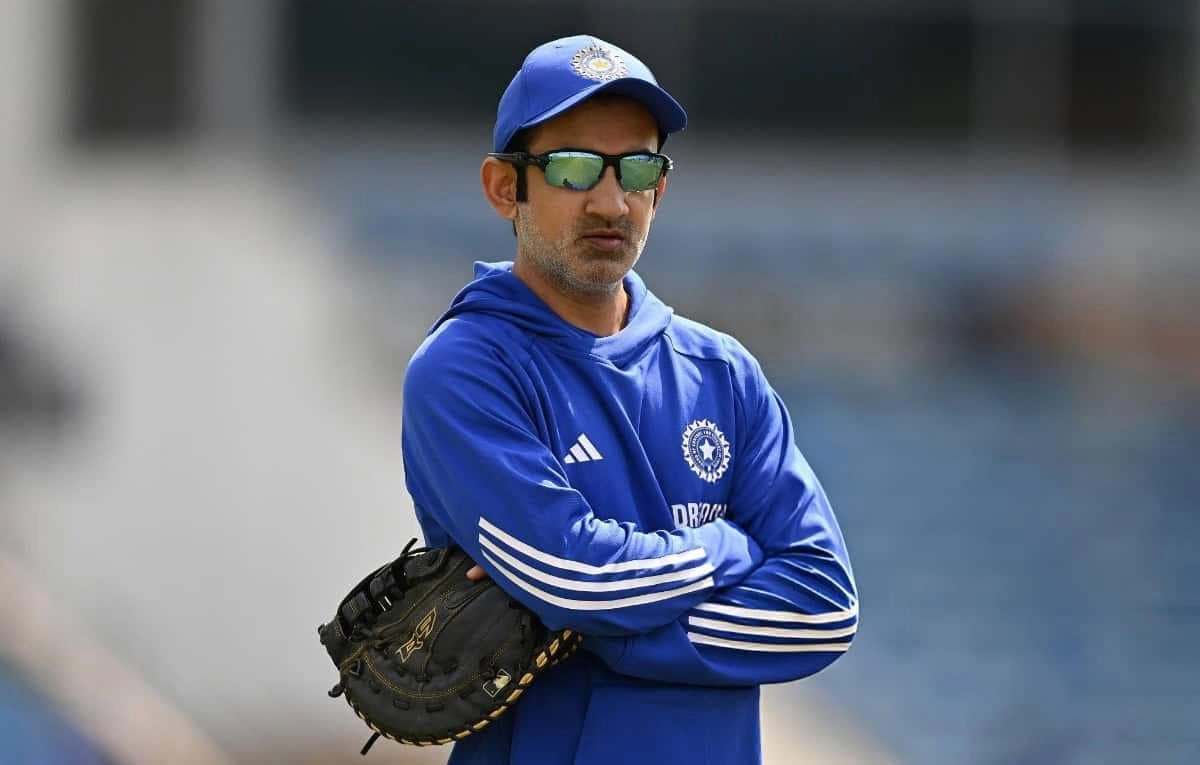
In a recent statement that has garnered significant attention, India’s World Cup-winning coach made headlines by expressing that he does not know Gautam Gambhir, a prominent figure in Indian cricket. Gambhir, who played a crucial role in India’s triumph during the 2007 T20 World Cup and the 2011 ODI World Cup, has since transitioned into a political career and has remained in the public eye. This remark by the coach raises questions about the dynamics of cricketing relationships and the impact of personal connections in the sport.
The comment comes in the context of discussions surrounding cricketing leadership and mentorship. Gambhir, known for his aggressive batting style and strategic acumen on the field, has often been viewed as a potential coach or mentor for budding cricketers. However, the coach’s admission of unfamiliarity with Gambhir suggests a disconnect that may exist within the current framework of cricket administration and coaching. In an era where collaboration and networking are pivotal for success, such statements can spark conversations about the importance of understanding the contributions of former players to the sport.
Moreover, this situation highlights a broader issue within sports, where the legacy of past athletes sometimes fails to translate into ongoing relationships with current coaching staff. The cricket community thrives on the exchange of ideas and experiences, and the lack of acknowledgment between prominent figures could hinder the development of future talent. Gambhir’s insights and experiences could be invaluable to aspiring players, yet the coach’s statement may indicate potential missed opportunities for collaboration and growth in the sport.
As cricket evolves, so too must the relationships between players and coaches. The ongoing dialogue surrounding Gambhir and the coach’s comments serves as a reminder of the need for unity and mutual respect within the cricketing fraternity. For the sport to flourish, it is essential that veteran players like Gambhir, who have contributed significantly to India’s cricketing success, are recognized and engaged by those in leadership positions. The future of cricket may depend on fostering these connections and ensuring that the wisdom of past champions is not lost in the corridors of time.