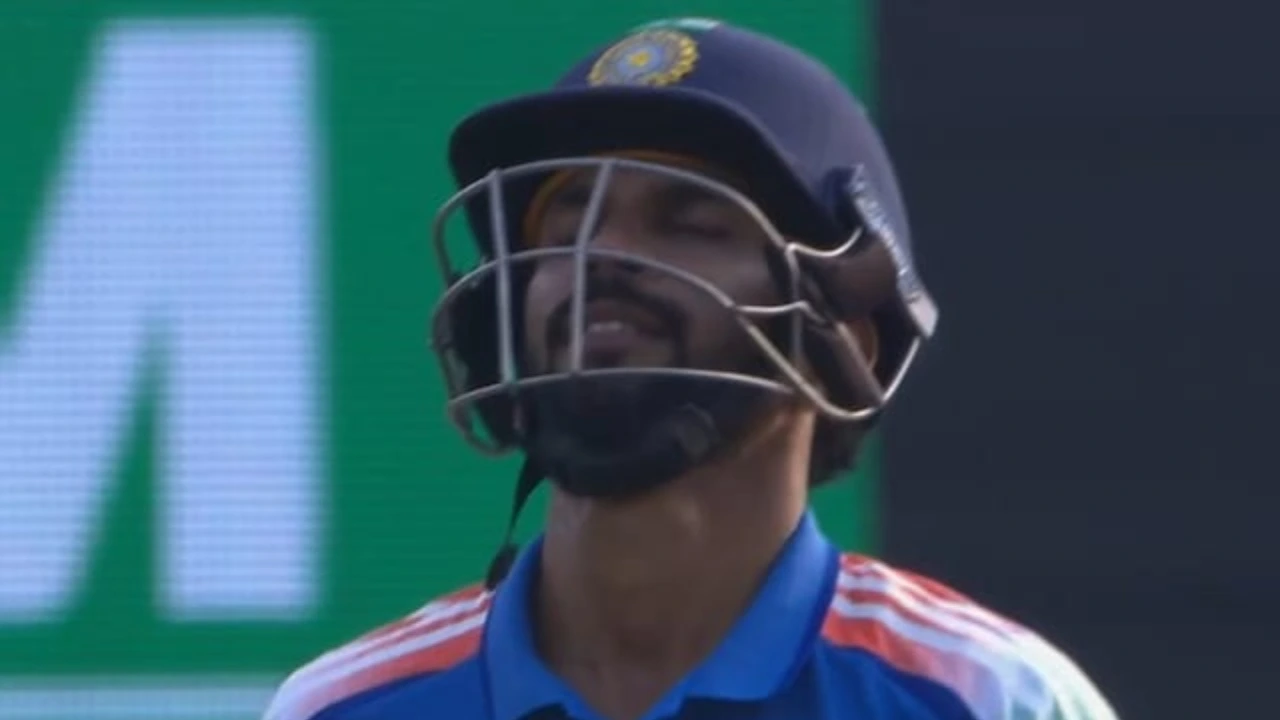
Gautam Gambhir has recently faced significant criticism regarding his handling of Ruturaj Gaikwad’s return to competitive cricket. As a former cricketer and now an influential commentator and analyst, Gambhir’s opinions and decisions carry considerable weight in the cricketing community. However, his approach to Gaikwad’s comeback has raised eyebrows, especially among fans and analysts who believe that the young player deserves better support during a crucial phase in his career. Gaikwad, known for his exceptional talent and potential, has had his share of ups and downs. The expectations surrounding him are immense, and many believe that the treatment he receives in such moments can significantly impact his confidence and performance.
Critics argue that Gambhir’s remarks and decisions may have inadvertently put unnecessary pressure on Gaikwad. Instead of providing encouragement and constructive feedback, some believe that Gambhir’s commentary has been overly harsh, which can be detrimental to a player’s morale. This situation highlights the delicate balance that commentators and analysts must strike when discussing players, especially those who are young and still developing their skills. The cricketing community often emphasizes the importance of nurturing talent, and many feel that Gambhir’s approach does not align with this ethos. Given Gaikwad’s potential to become a key player for India, the criticism directed at Gambhir underscores the need for a more supportive environment for emerging talents.
Furthermore, the incident raises broader questions about the role of former players in shaping the careers of newcomers. As someone who has experienced the pressures of elite cricket, Gambhir’s insights are valuable; however, the impact of his words can reverberate throughout a player’s career. In a sport where mental fortitude is as crucial as physical skill, the importance of positive reinforcement cannot be overstated. Many argue that Gambhir should leverage his platform to uplift players rather than focus solely on their shortcomings. This situation serves as a reminder of the responsibilities that come with being a public figure in the sports world and the potential consequences of their commentary on young athletes striving to make their mark in cricket.
In conclusion, the backlash against Gautam Gambhir for his handling of Ruturaj Gaikwad’s comeback reflects a broader concern about the treatment of young players in high-stakes environments. While constructive criticism is an essential part of sports, it must be delivered in a way that promotes growth and resilience. As the cricketing landscape continues to evolve, the need for a supportive and encouraging atmosphere for emerging talents like Gaikwad becomes increasingly critical. Gambhir, along with others in influential positions, has the power to shape the narratives surrounding these players, and a more balanced approach could foster a healthier environment for all involved in the sport.