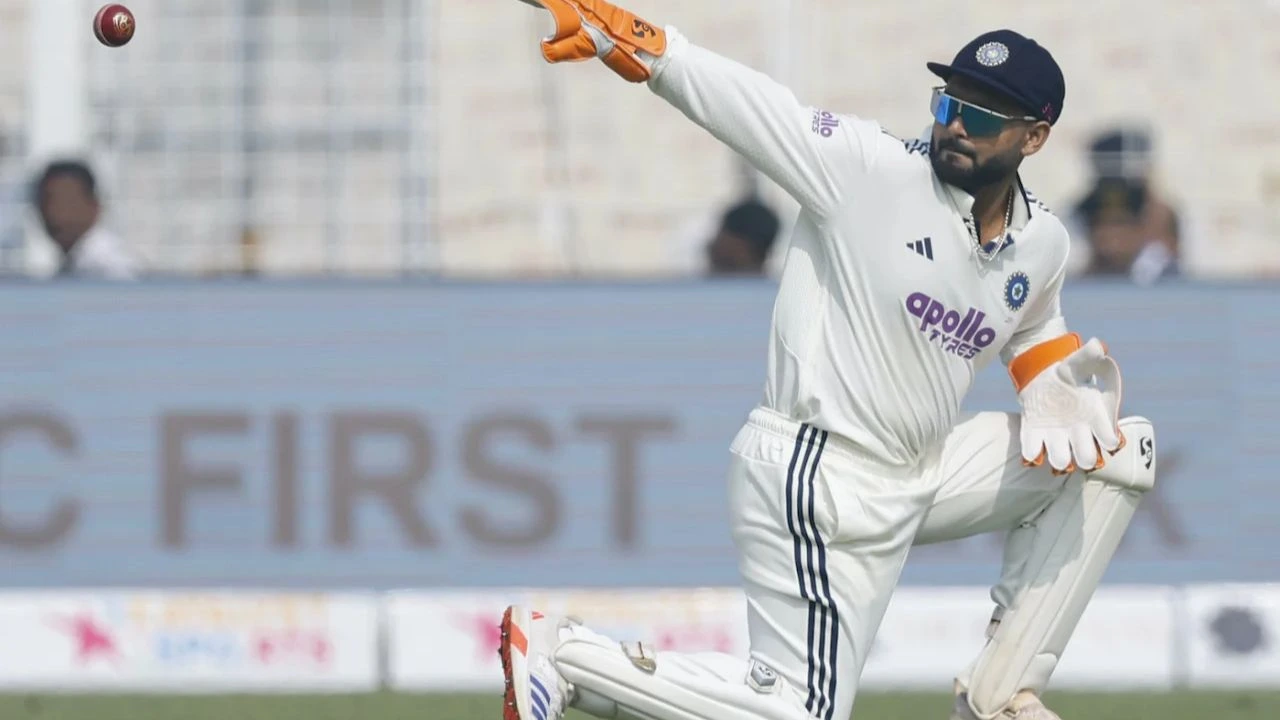
In a recent cricket match held in Guwahati, Rishabh Pant faced severe criticism from former Indian wicketkeeper Parthiv Patel for a reckless shot that many deemed a significant misjudgment. Pant, who serves as both the team’s captain and wicketkeeper, made headlines not just for his performance but for the controversial decision-making that unfolded during the match. Patel, known for his sharp insights and experience in the game, did not hold back in expressing his disappointment. He emphasized the weight of responsibility that comes with being a captain, indicating that Pant’s actions were not only detrimental to the team’s performance but also a missed opportunity for leadership.
Patel’s critique highlighted the expectations that are placed on a captain, particularly in high-stakes matches. A captain’s role extends beyond individual performance; it encompasses strategic decision-making and leading by example. In this instance, Pant’s ill-timed shot could be classified as a ‘brainfade’—a moment of lapse in judgment that can have far-reaching consequences on the game’s outcome. Patel’s remarks resonate with the cricketing community’s growing concern over the need for consistency and maturity from young leaders like Pant. His ability to navigate pressure situations effectively is crucial for the team’s success, and such moments of folly only serve to undermine his credibility.
Moreover, this incident raises questions about the broader implications for the Indian cricket team, particularly as they gear up for future tournaments. The expectations surrounding Pant’s leadership are immense, given his talent and potential. Critics argue that moments like these could influence team morale and performance, especially in crucial matches where every run and wicket counts. As the cricketing landscape evolves, the focus increasingly shifts towards not just individual talent but also the capacity to make sound decisions under pressure. Patel’s comments serve as a reminder that while talent is imperative, the ability to lead with wisdom is equally vital for a captain’s success.
In the aftermath of the match, fans and analysts alike are likely to closely observe Pant’s response to this criticism. The scrutiny that comes with captaincy can be intense, especially when decisions lead to unfavorable outcomes. However, it is also an opportunity for growth and learning. How Pant chooses to reflect on this experience and adapt his game will be pivotal in determining his trajectory as a captain in the future. The cricketing world will be watching closely to see if he can transform this moment of criticism into a stepping stone for his development as a leader on the field.