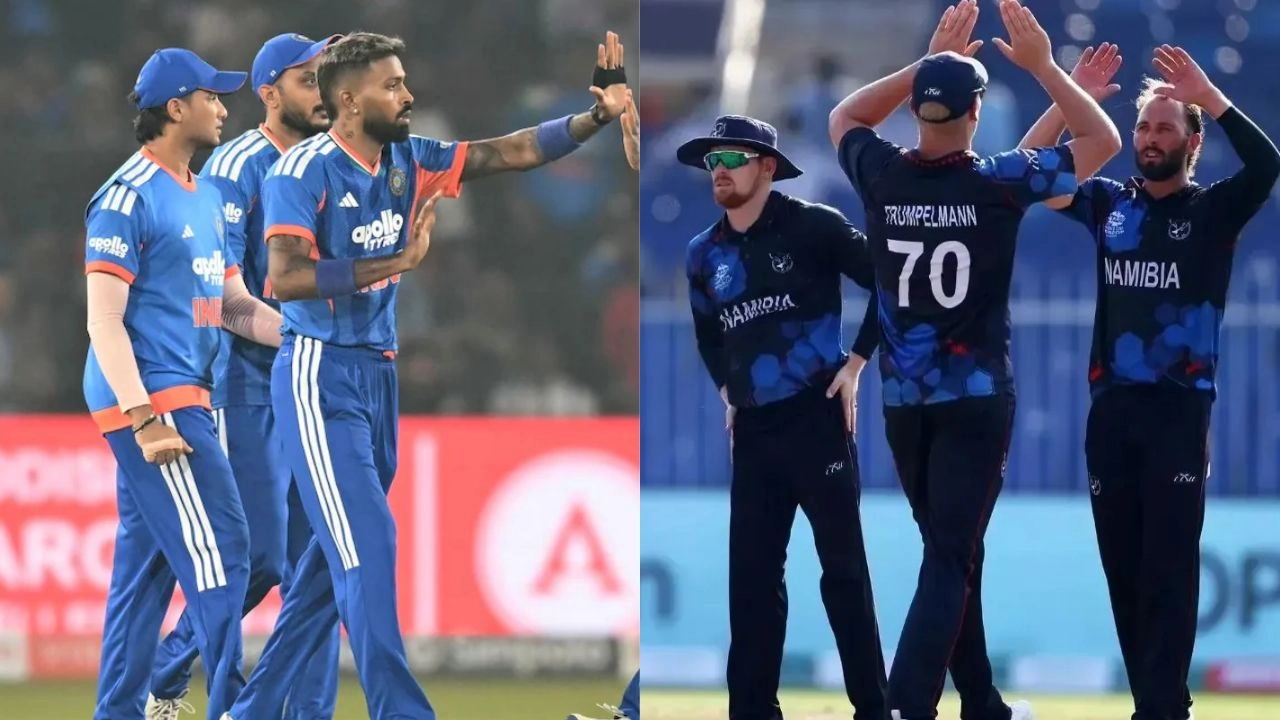
Gerhard Erasmus, the captain of the Namibia cricket team, has raised serious concerns regarding the impartiality of the International Cricket Council (ICC) in relation to the ongoing T20 World Cup. He has publicly accused the governing body of showing a significant bias that appears to favor India, raising questions about the fairness of the tournament’s organization and officiating. Erasmus’s comments come in light of several contentious decisions and perceived discrepancies during matches that involved the Indian team, which he believes have created an uneven playing field.
Erasmus highlighted specific instances where he felt that the ICC’s decisions were influenced by India’s prominent status in the cricketing world. He pointed out that such favoritism not only undermines the integrity of the tournament but also affects the morale of teams like Namibia, who are striving to make their mark on the global stage. According to Erasmus, when a major cricketing nation receives preferential treatment, it diminishes the competitive spirit that is essential for the sport and undermines the efforts of smaller teams that work hard to compete at this level.
The captain’s remarks have sparked a broader conversation about the need for fairness and transparency in international cricket. Many fans and analysts have echoed his sentiments, arguing that the ICC must ensure that all teams, regardless of their cricketing history or fan base, are treated equally. With the T20 World Cup being a platform for emerging cricketing nations to showcase their talent, any perception of bias can have lasting implications on the development of the sport in those countries.
As the tournament progresses, it remains to be seen how the ICC will address these allegations and what steps they might take to reassure all participating nations of their commitment to fair play. The focus will likely remain on ensuring that the competition remains equitable, allowing all teams an equal opportunity to succeed. Erasmus’s accusations have certainly highlighted the need for vigilance in maintaining the integrity of the game, as cricket continues to grow in popularity and reach across the globe.