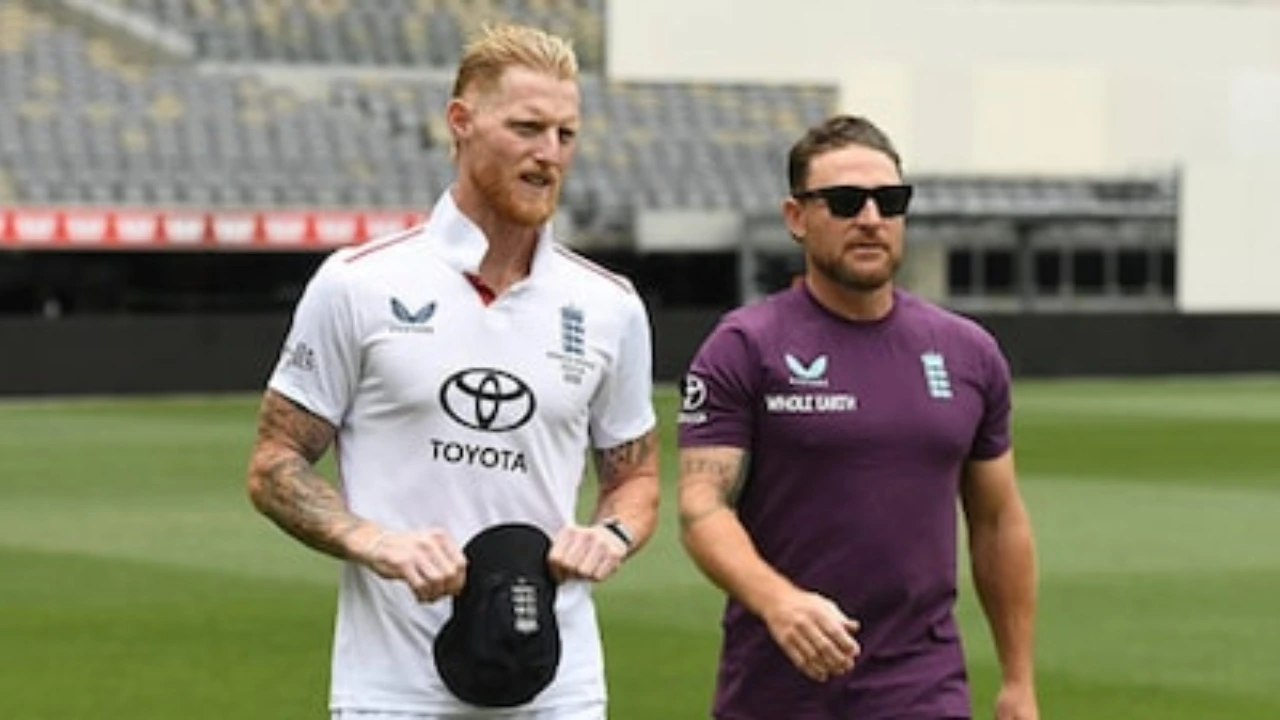
The England and Wales Cricket Board (ECB) has made a significant decision following the disappointing outcome of the Ashes series, which has prompted a reevaluation of their cricketing strategy. In a surprising move, the ECB has chosen not to impose any sanctions on Ben Stokes, the captain of the England Test team. Instead, the focus has shifted to Brendon McCullum, the head coach, who now finds himself under immense pressure to either align with the board’s vision or face potential dismissal. This ultimatum comes in response to the team’s underwhelming performance during the Ashes, where expectations were high, but results fell short.
The term “Bazball,” coined from McCullum’s aggressive and unconventional approach to Test cricket, has been a cornerstone of England’s strategy since he took over as coach. However, the recent series has led to questions about the effectiveness of this approach, especially when faced with formidable opponents like Australia. The ECB’s decision reflects a broader concern about the direction of the Test team and its ability to compete at the highest level. The board is now demanding a reassessment of tactics and a commitment to a more balanced approach that can yield better results in future competitions.
As the cricketing world watches closely, McCullum’s next steps will be crucial. He must either adapt his coaching style to align with the ECB’s expectations or risk losing his position. This situation highlights the delicate balance between innovation in sports and the need for accountability when faced with disappointing performances. The ECB’s ultimatum serves as a reminder of the pressures that come with high-profile positions in cricket and emphasizes the need for both players and coaches to continuously evolve in their strategies to remain competitive. The outcome of this situation could have lasting implications for the future of English cricket and its approach to the Test format.