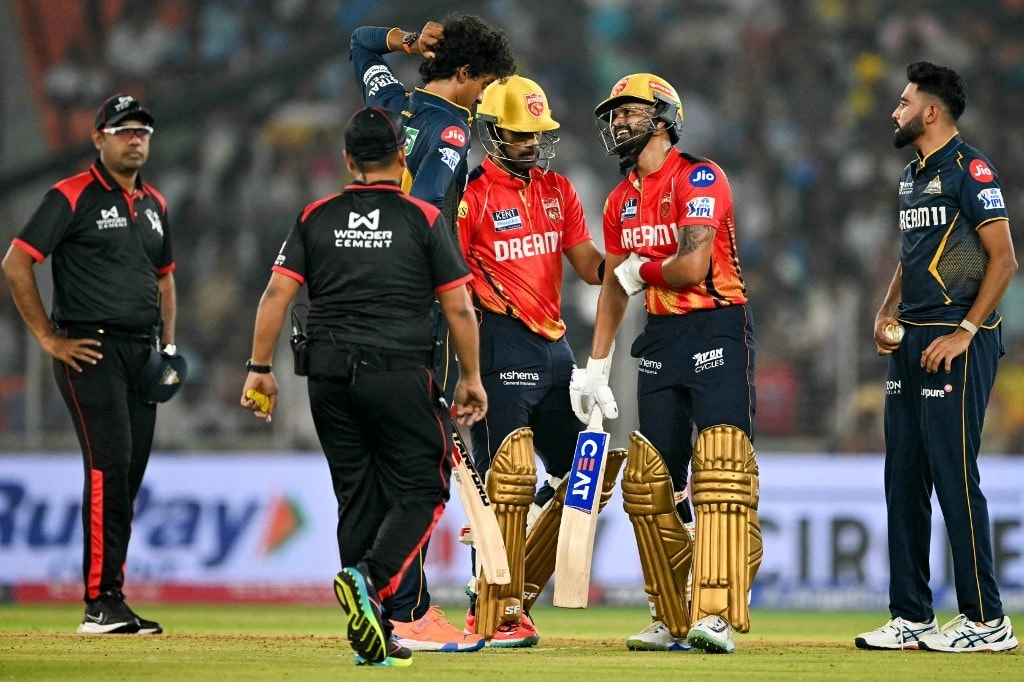
In recent discussions surrounding the game of cricket, former Indian cricketer and renowned commentator, Rahul Chopra, has expressed a compelling argument advocating for home teams to possess the right to select the pitch conditions for their matches. This viewpoint stems from a broader understanding of how pitch conditions can significantly influence the outcome of a game, as well as the strategic advantages associated with familiar playing environments. Chopra’s perspective emphasizes the importance of home advantage, which has been a critical factor in sports across the globe. By allowing home teams to curate pitch conditions that align with their strengths, the integrity and competitiveness of the sport can be enhanced.
Chopra argues that when teams play on pitches they are accustomed to, it not only levels the playing field but also brings an added layer of excitement to the matches. For instance, a spin-friendly pitch can benefit a team with strong spinners, while a fast-paced wicket may favor a side with a potent pace attack. This variability in pitch conditions can lead to a more dynamic and unpredictable game, engaging fans and enhancing the overall viewing experience. Additionally, allowing teams to choose their pitch conditions can promote a deeper understanding of the game, as fans and players alike become more aware of the strategic decisions that underpin match outcomes.
Moreover, this proposition reflects a shift towards empowering home teams, acknowledging their unique challenges and advantages. It recognizes that cricket is not merely about the players on the field but also about the environment in which they play. By allowing teams the autonomy to select pitch conditions, the sport can celebrate its diverse playing styles and conditions across different regions. This approach could also foster greater home-ground support, as fans rally behind their teams, knowing that the conditions are tailored to maximize their chances of success. Ultimately, Chopra’s insights open a dialogue about the evolution of cricket and the importance of adapting its rules to reflect the changing dynamics of the game.
In conclusion, the notion that home teams should have the right to choose pitch conditions is a thought-provoking idea that merits further consideration. It aligns with the fundamental principles of sportsmanship and competition while highlighting the unique characteristics of cricket as a sport. By embracing this change, cricket could not only enhance its competitiveness but also deepen the connection between teams and their home audiences. As the sport continues to evolve, discussions like these are vital in ensuring that it remains engaging, fair, and true to its roots.