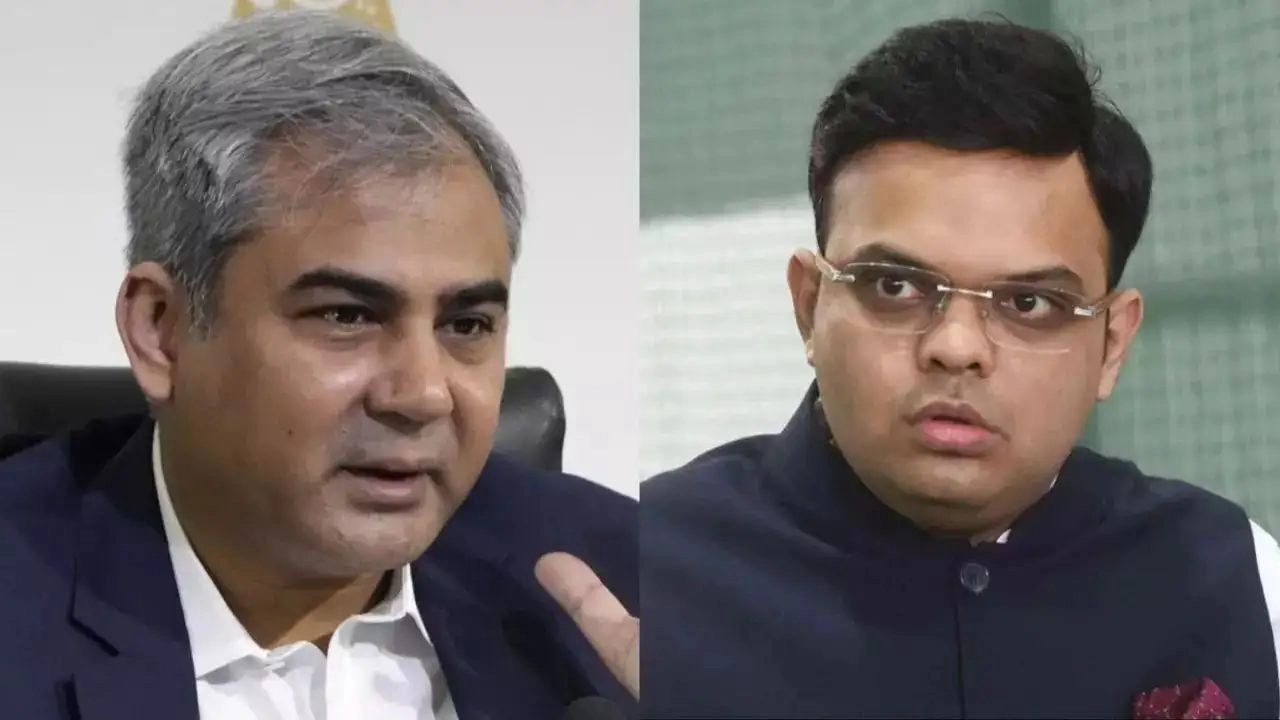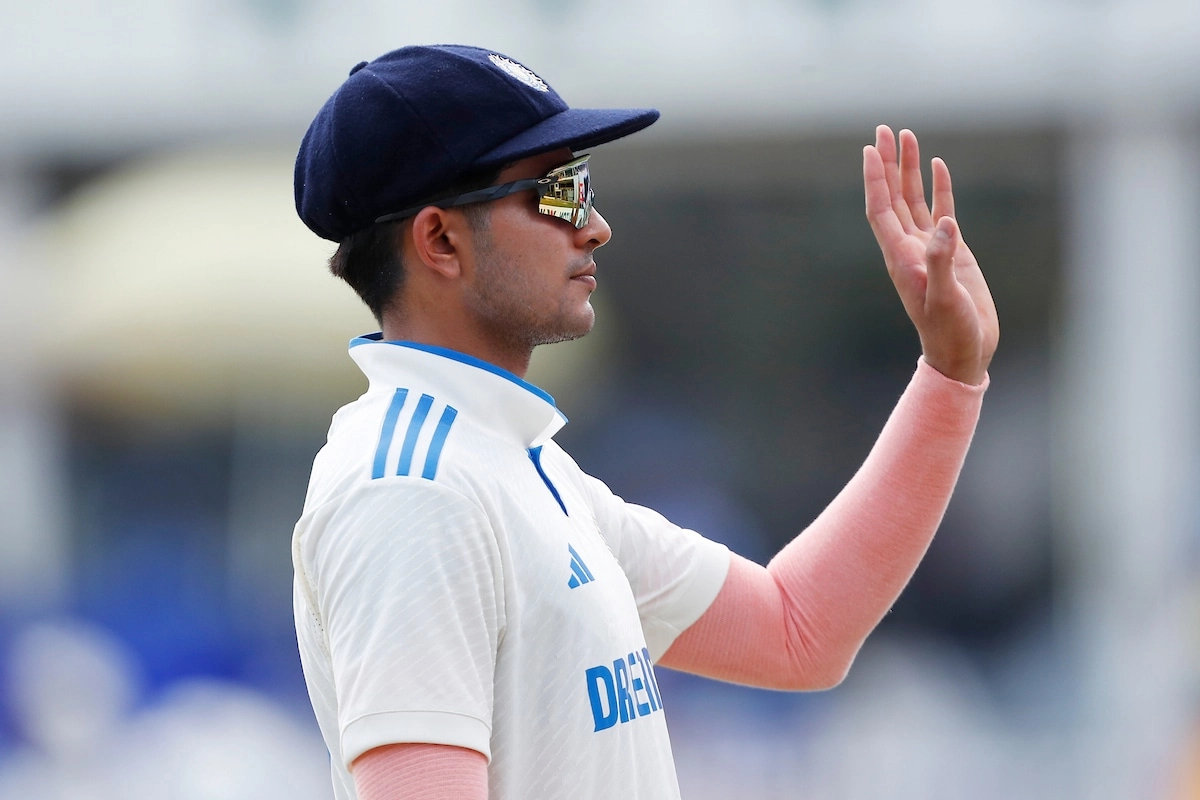
The cricketing world has recently been buzzing with discussions surrounding the future of India’s batting prodigy, Shubman Gill. As he continues to make waves with his impressive performances, the question of whether he should be thrust into a leadership role has arisen. However, a prominent voice in the cricket community, a World Cup-winning captain, has cautioned the Board of Control for Cricket in India (BCCI) against hastily assigning captaincy to the young talent. The concern is rooted in the belief that leadership in cricket, particularly at the international level, demands a blend of experience, resilience, and strategic acumen that may not yet be fully developed in Gill.
Shubman Gill has showcased remarkable skills and maturity on the field, drawing comparisons with some of the greats of the game. His ability to handle pressure and deliver under challenging circumstances has endeared him to fans and selectors alike. Nevertheless, the transition from a key player to a captain is monumental and should not be taken lightly. The former captain emphasized that leadership extends beyond individual brilliance; it involves making critical decisions, managing team dynamics, and shouldering the weight of expectations. Therefore, pushing Gill into a captaincy role prematurely could jeopardize not only his development but also the team’s overall performance.
The BCCI must consider the long-term implications of such a decision, recognizing that captaincy is a multifaceted role that requires a deep understanding of the game and the ability to inspire and motivate teammates. It is essential to allow players like Gill to grow into their roles organically. With the right mentorship and gradual exposure to leadership responsibilities, Gill could evolve into a captain who can steer India through the complexities of international cricket. Meanwhile, the board should focus on nurturing his talent without overwhelming him with expectations that could hinder his growth as a player.
In conclusion, while Shubman Gill is undoubtedly a rising star in Indian cricket, the call for him to assume captaincy duties must be approached with caution. The BCCI should heed the advice of seasoned players and industry veterans, ensuring that they do not rush into decisions that could have lasting repercussions for both the player and the team. By fostering an environment that prioritizes gradual development and offers support, the board can help Gill unlock his full potential while ensuring that he is prepared for the weighty responsibilities of captaincy when the time is right.