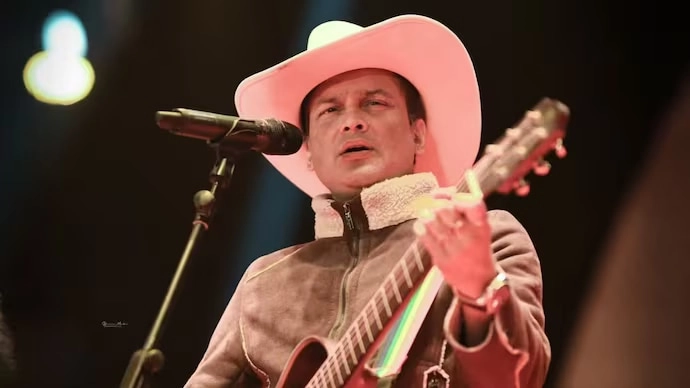
The Board of Control for Cricket in India (BCCI) is set to honor the renowned Assamese singer and cultural icon, Zubeen Garg, during the opening ceremony of the Women’s World Cup. Garg, known for his profound influence on the music scene in Assam and beyond, has made significant contributions to Indian music and arts. His dedication to promoting Assamese culture through his songs has garnered him a massive following. Recognizing his impact, the BCCI aims to pay tribute to him as a way to celebrate not just his artistic achievements but also the rich cultural heritage of Assam.
The decision to feature Zubeen Garg in the Women’s World Cup opening ceremony highlights the BCCI’s commitment to inclusivity and the celebration of regional talents on a global platform. By integrating elements of regional culture into such a prestigious event, the BCCI is sending a powerful message about the importance of diversity in sports and the arts. This tribute serves as an opportunity to showcase the vibrant Assamese culture to an international audience, creating awareness and appreciation for the region’s artistic contributions.
Zubeen Garg’s music, which often encapsulates themes of love, life, and social issues, resonates with a wide audience, making him a fitting choice for this tribute. His presence at the ceremony is expected to draw significant attention, not only from cricket fans but also from music lovers who admire his work. The BCCI’s initiative reflects a broader trend in sports events, where organizers are increasingly recognizing the value of cultural representation and its ability to foster unity among diverse audiences.
As the Women’s World Cup approaches, the anticipation surrounding the opening ceremony continues to build. The BCCI is committed to making this event memorable, and paying tribute to Zubeen Garg is just one of the many ways they plan to achieve this goal. The combination of sports and cultural homage promises an engaging experience that celebrates both the spirit of cricket and the rich tapestry of Indian culture. Through this tribute, the BCCI not only honors a beloved artist but also reinforces the idea that sports can serve as a platform for celebrating and promoting cultural diversity.