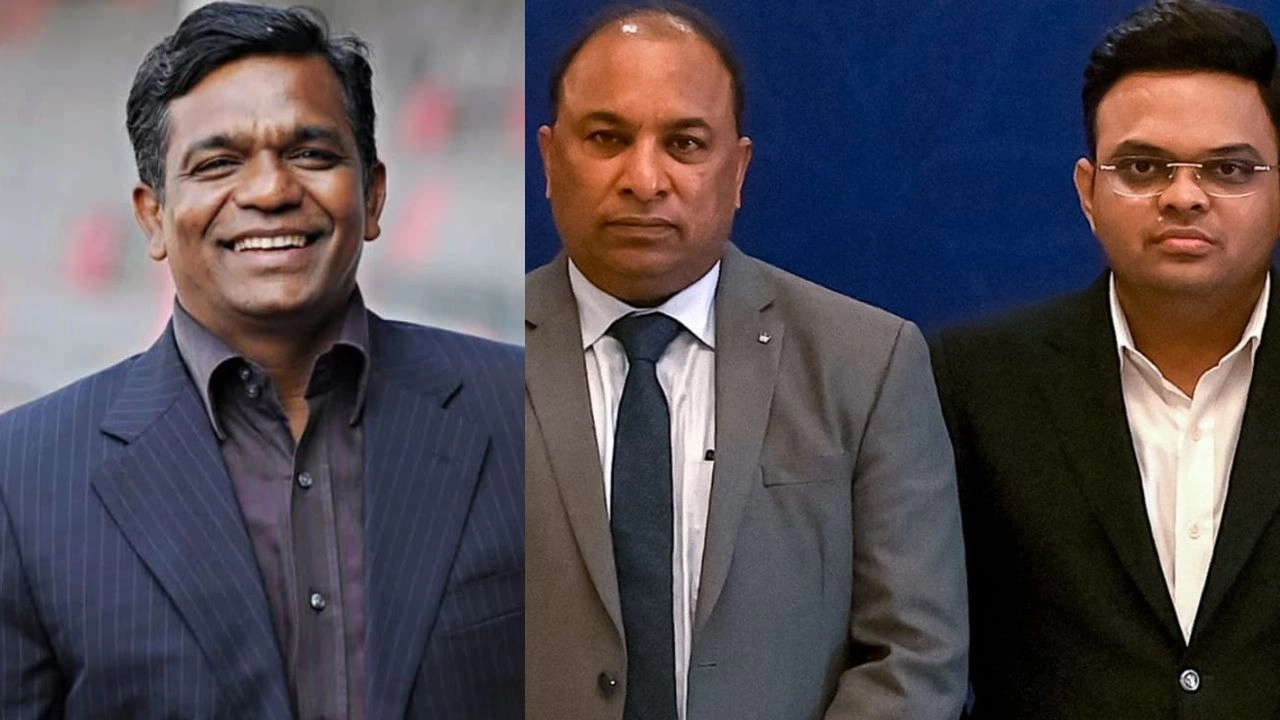
The Board of Control for Cricket in India (BCCI) has decided to distance itself from the ongoing complications surrounding the T20 World Cup in Bangladesh. In a surprising move, the BCCI has effectively handed over the responsibility for resolving the issues to Jay Shah, the board’s secretary and influential figure in Indian cricket. This decision comes in the wake of growing concerns about the organization and management of the tournament, which has faced several challenges since its inception.
The BCCI’s withdrawal from the situation indicates a shift in accountability, placing the onus on Shah to navigate the complexities of the event. As a prominent member of the International Cricket Council (ICC), Shah’s role becomes increasingly significant in addressing the logistical and administrative hurdles that have emerged. The tournament’s reputation is at stake, and with the BCCI’s influence in global cricket, there are expectations for Shah to implement effective solutions.
Critics have pointed out that the BCCI’s decision to step back raises questions about its commitment to international cricket and the collaborative spirit necessary for major tournaments. The BCCI has always been a key player in cricket governance, and this move could be seen as a retreat from its responsibilities. However, supporters argue that by allowing Shah to take charge, the BCCI is empowering a capable leader who is well-versed in the intricacies of cricket administration.
As the situation unfolds, all eyes will be on Jay Shah to see how he handles the challenges ahead. The success of the T20 World Cup in Bangladesh is crucial not only for the host nation but also for the cricketing community at large. With the BCCI’s backing, Shah has the potential to steer the tournament towards success, but it remains to be seen whether he can rise to the occasion and deliver results that satisfy all stakeholders involved. The coming weeks will be critical in determining the future of the tournament and the dynamics of international cricket governance.