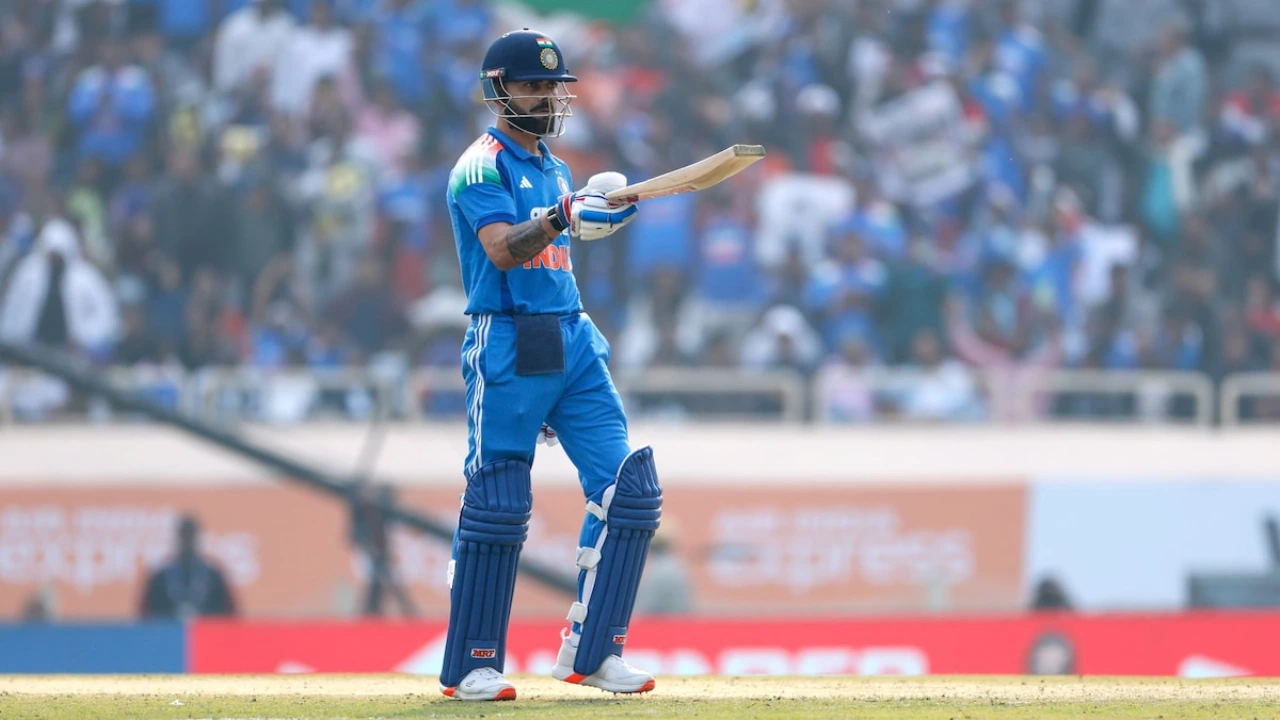
The Board of Control for Cricket in India (BCCI) is currently grappling with a significant dilemma following the announcement by star cricketer Virat Kohli that he will not participate in the upcoming Vijay Hazare Trophy. This domestic one-day tournament is crucial for players looking to showcase their talent and secure a place in the national team, particularly with the international cricket calendar becoming increasingly competitive. Kohli’s absence raises questions not only about the impact on the tournament but also on the strategic planning of the BCCI as they look to balance player workloads and manage the health of their key athletes.
Kohli’s decision comes in the wake of a packed schedule that has seen him play an extensive number of matches over the past few years. The BCCI faces the challenge of ensuring that star players maintain their fitness and performance levels while also providing opportunities for emerging talent. The Vijay Hazare Trophy serves as a platform for younger players to step up and make their case for selection, and without Kohli, the tournament may lack some of the star power that draws in fans and media attention. This raises the stakes for the BCCI as they must find a way to keep the tournament relevant and exciting.
Furthermore, Kohli’s absence could spark discussions about the future of the domestic format and the need for player management strategies that prioritize long-term athlete health. The BCCI has been under pressure to modernize its approach, especially in light of the increasing frequency of injuries among players. The cricket board may need to reassess its policies regarding player participation in domestic tournaments versus international commitments. As the cricketing landscape continues to evolve, the BCCI must navigate these complexities to ensure both the development of domestic cricket and the well-being of its star players.
As fans and analysts alike ponder the implications of Kohli’s decision, the BCCI’s response will be closely watched. Will they adapt their approach to accommodate the needs of their players while still promoting the importance of domestic competitions? The outcome of this situation could set a precedent for how the cricket board handles similar scenarios in the future. With international competitions on the horizon, the BCCI must strike a delicate balance between nurturing its talent pool and maintaining the interest and integrity of its domestic tournaments.