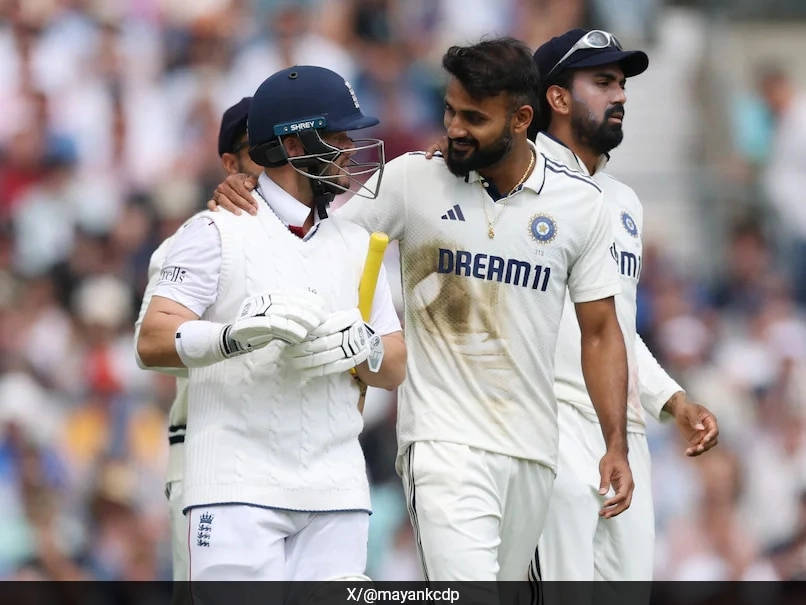
The Board of Control for Cricket in India (BCCI) has recently addressed rumors regarding Rohit Sharma’s sudden retirement from international cricket, emphasizing that the board does not exert any pressure on players regarding their career decisions. The clarification comes in response to speculation that Sharma, the Indian cricket team’s captain, might step away from the game due to various performance-related issues and the intense scrutiny that comes with being a player of his stature. The BCCI’s statement aims to dispel any misconceptions and reinforce its commitment to supporting players in making their own choices about their careers.
In their official communication, the BCCI highlighted that each player’s decision to retire is personal and should be respected. They underscored the importance of mental health and well-being in the careers of athletes, stressing that the board is focused on creating an environment where players feel comfortable discussing their concerns and aspirations. The board reiterated that it values the contributions of seasoned players like Rohit Sharma, who has been pivotal in shaping Indian cricket over the years. By fostering an atmosphere free from pressure, the BCCI hopes to encourage players to prioritize their personal and professional lives without external influences.
Furthermore, the BCCI acknowledged the pressures that come with international cricket, particularly for someone in Sharma’s position, where performance expectations are consistently high. The board’s stance reflects a broader understanding of the challenges faced by players, including the impact of media scrutiny and public expectations. By clarifying its position, the BCCI aims to alleviate any concerns among fans and stakeholders about the relationship between the board and its players. This approach not only supports Rohit Sharma but also sets a precedent for future players who may grapple with similar dilemmas as they navigate their careers in the competitive world of cricket.
In conclusion, the BCCI’s statement serves as a reminder of the importance of player autonomy and mental health in sports. As discussions around athlete welfare gain momentum in the sporting world, the board’s commitment to providing a pressure-free environment is crucial. Players like Rohit Sharma are essential to the legacy of Indian cricket, and ensuring their well-being should remain a top priority. As the cricketing community continues to evolve, the BCCI’s proactive stance may inspire other boards to adopt similar practices, ultimately benefiting the players and the sport as a whole.