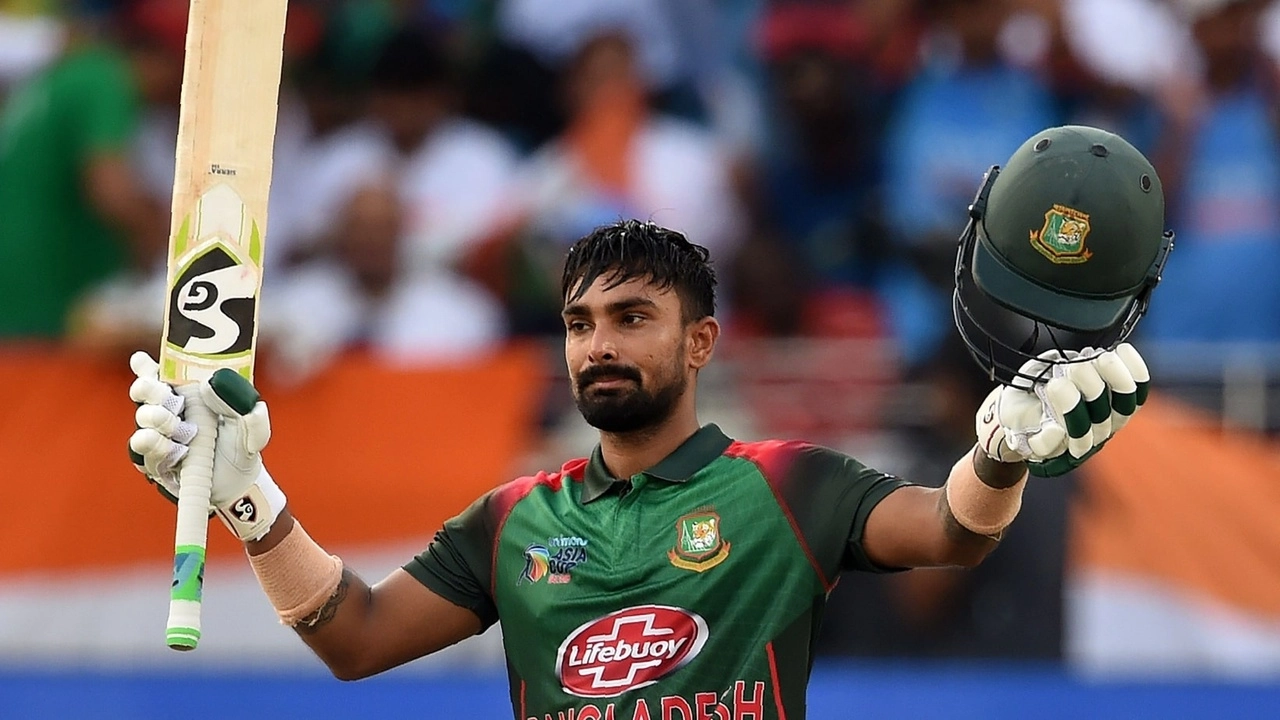
In a recent turn of events surrounding the T20 World Cup, Bangladesh has been urged to adopt the narrative that “Captain Litton Das is Hindu” in order to quell the controversy that arose during their matches against India. This situation gained traction after a significant incident during a match, where a segment of the crowd was seen chanting provocative slogans that led to tensions between the two nations. The International Cricket Council (ICC) and cricketing authorities from both countries have expressed concern over the potential escalation of these issues, particularly given the sensitive nature of religious identities in the region.
The call to emphasize Litton Das’s Hindu identity is seen as a strategic move to highlight unity and promote a more inclusive image of the Bangladesh cricket team, which is often perceived through the lens of its predominantly Muslim population. By framing the narrative in this way, officials hope to defuse rising tensions and foster a spirit of sportsmanship that transcends religious divides. Cricket, being a beloved sport in both Bangladesh and India, has the power to bridge gaps and promote camaraderie among fans, despite underlying political and social frictions.
This initiative also reflects a broader recognition of the role that sports can play in addressing cultural misunderstandings and fostering dialogue between diverse communities. As both nations prepare for future encounters on the cricket field, it is crucial for players, fans, and officials to engage in respectful interactions that celebrate the spirit of the game. The ICC’s involvement underscores the global responsibility of cricketing bodies to ensure that the sport remains a platform for unity rather than division.
Ultimately, the emphasis on Litton Das’s identity serves as a reminder of the potential for sports to transcend boundaries and encourage a sense of collective identity among fans. By choosing to focus on shared values and mutual respect, Bangladesh aims to not only resolve the current controversy but also to set a precedent for future sporting events. This approach not only highlights the importance of sportsmanship but also addresses the need for sensitivity in a landscape where cultural and religious identities intersect.