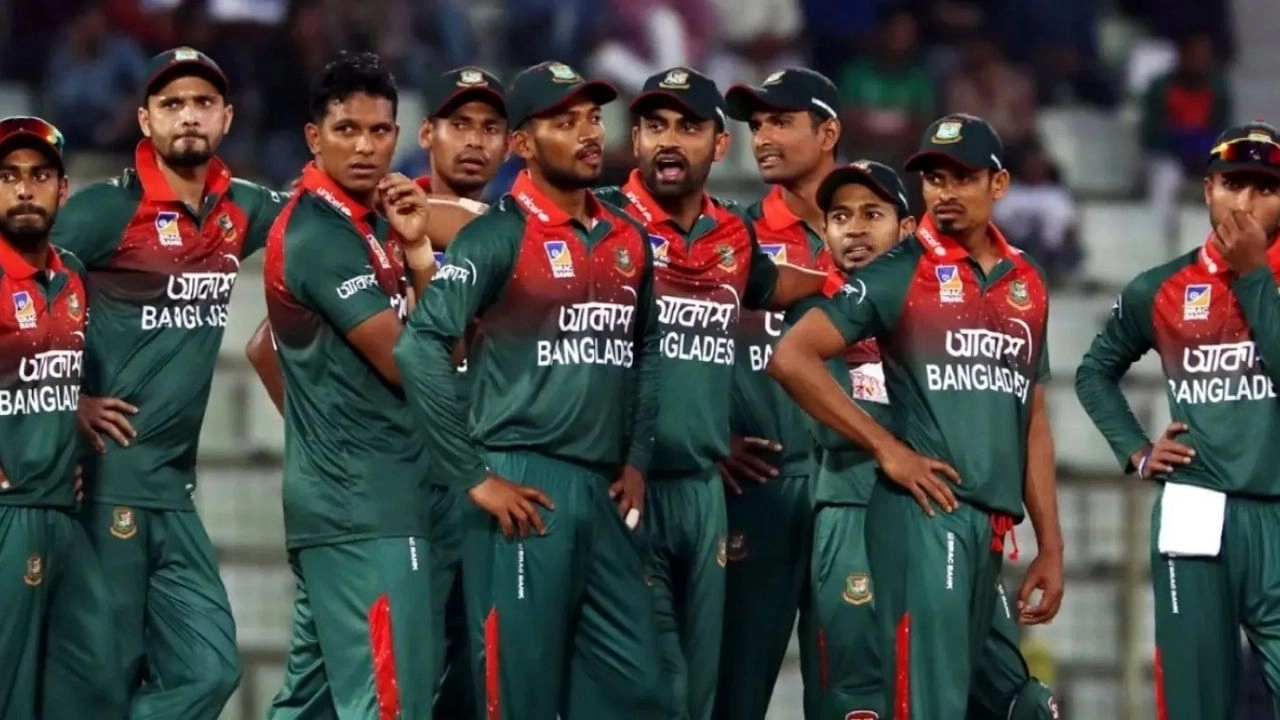
In a surprising turn of events, a faction of Bangladesh’s national cricket team has staged a revolt by boycotting an emergency meeting convened by the Bangladesh Cricket Board (BCB) and the government concerning the upcoming T20 World Cup. This meeting was intended to address various challenges and preparations for the tournament. However, five key players have chosen to refrain from participating, citing a range of grievances related to team management and player treatment. Their decision to boycott the meeting has raised eyebrows and sparked discussions about the underlying issues within the team dynamics and the governance of cricket in Bangladesh.
The players who opted out of the meeting have expressed their dissatisfaction with the current state of affairs, highlighting concerns over training methods, selection processes, and the overall support provided to the team. This revolt is not merely a spontaneous act of defiance; it underscores a growing sentiment among cricketers regarding their lack of agency and the need for a more collaborative approach in decision-making processes. By taking this stand, the players hope to draw attention to their plight and push for reforms that would improve their conditions and performance on the international stage.
The BCB and government officials are now faced with the challenge of addressing the players’ concerns while ensuring that preparations for the T20 World Cup remain on track. The situation poses a significant dilemma, as mismanagement could further escalate tensions between the players and the board. Fans and cricket analysts are closely monitoring the developments, as the outcome of this impasse could have long-lasting implications for the future of cricket in Bangladesh. As the team gears up for one of the most significant tournaments in the cricketing calendar, it remains to be seen how the BCB will respond to the players’ demands and whether they can reconcile their differences in the interest of the sport and national pride.