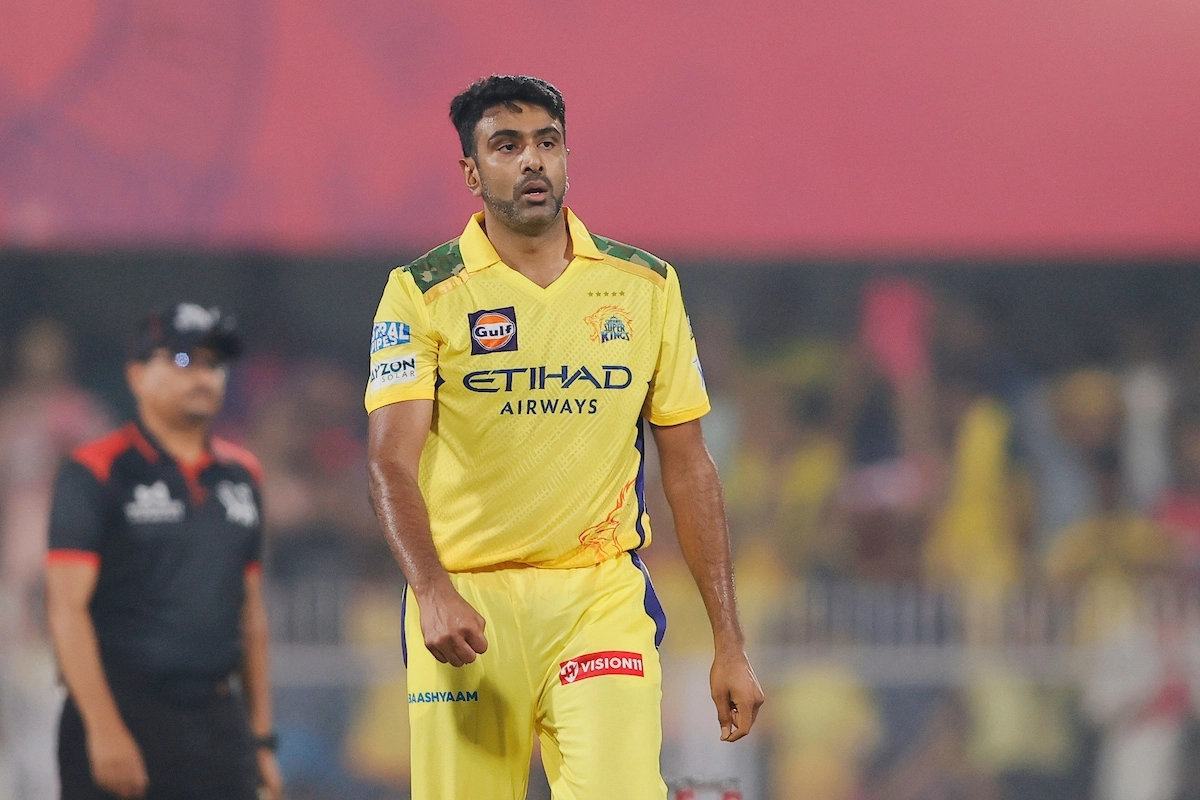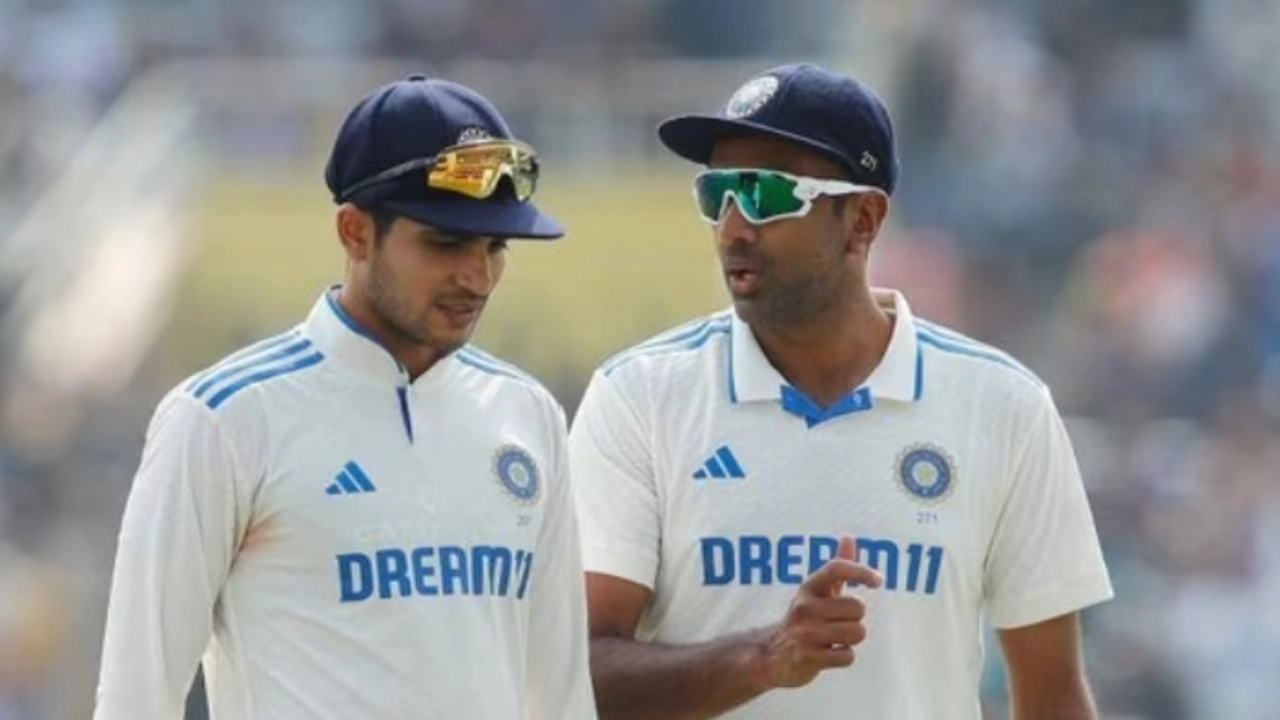
Ravichandran Ashwin, the seasoned Indian cricketer, recently made headlines with his candid assessment of Shubman Gill’s captaincy capabilities. During a discussion on cricketing tactics and strategies, Ashwin boldly declared that Gill would not be an effective captain for a team comprised of less skilled bowlers. His comments have sparked a mix of intrigue and debate among cricket enthusiasts and analysts alike, as they delve into the nuances of leadership in the sport.
Ashwin’s assertion stems from his belief that a captain’s effectiveness is often determined by their ability to strategize and adapt to the strengths and weaknesses of their team members. In his view, a captain must possess a deep understanding of the game, particularly when it comes to managing bowlers who may not be at the top of their game. Gill, while undoubtedly a talented batsman, may lack the necessary experience and tactical acumen required to lead a bowling lineup that struggles to deliver consistent performances. Ashwin’s comments highlight the importance of having a captain who can inspire confidence and make critical decisions that can turn the tide in a match.
The dialogue surrounding Ashwin’s remarks also touches on the broader theme of leadership in cricket. It raises questions about the qualities that make an effective captain and how those qualities can vary depending on the team’s composition. A captain’s role is multifaceted, encompassing not only tactical decisions but also the ability to motivate and unify the players under their command. Ashwin’s perspective invites further examination of the attributes that contribute to successful captaincy, particularly in challenging scenarios where the team’s performance may not be at its peak.
As cricket continues to evolve, discussions like these are essential for understanding the dynamics of leadership within the sport. Ashwin’s critique of Gill serves as a reminder that captaincy is not merely about personal performance but rather about the collective strength and synergy of the team. As fans and analysts reflect on these insights, it becomes evident that the role of a captain is as crucial as ever, especially in high-stakes matches where every decision can significantly impact the outcome.