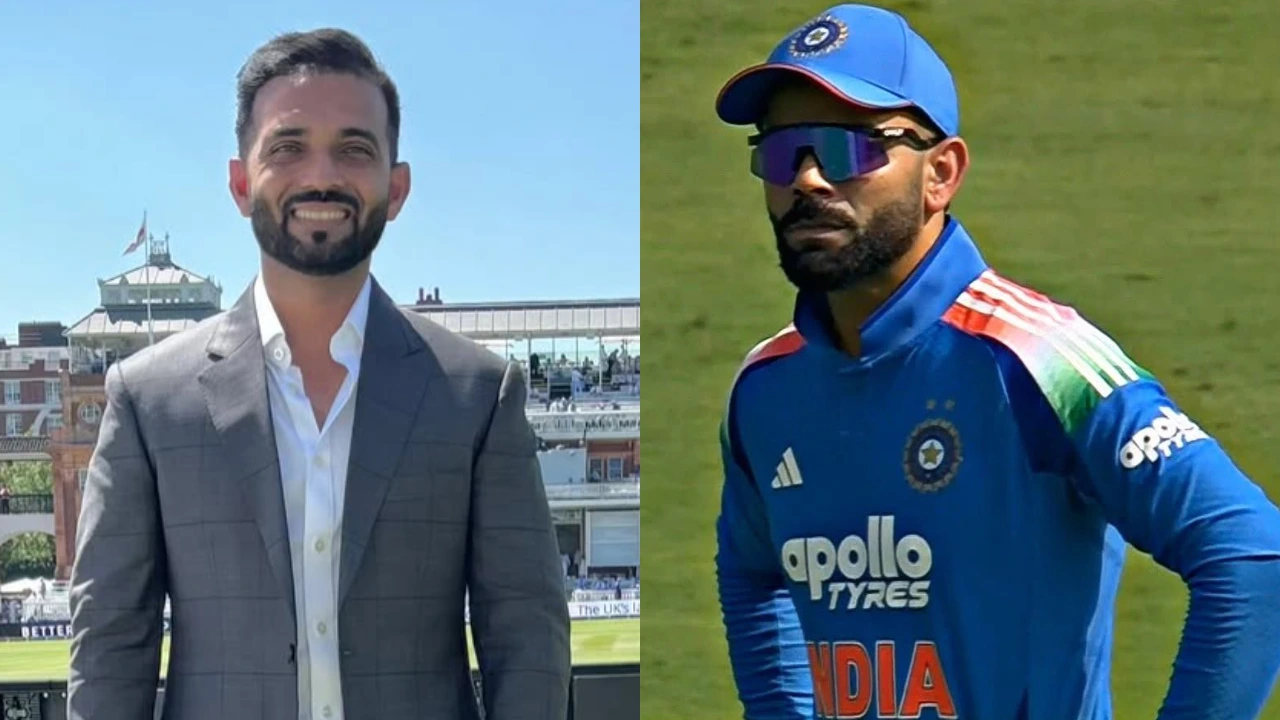
Ajinkya Rahane recently made headlines with his candid remarks about his former teammate Virat Kohli. While acknowledging Kohli’s undeniable talent and contribution to Indian cricket, Rahane described him as “arrogant.” This statement sparked a significant amount of discussion among fans and analysts alike, as it challenges the widely held perception of Kohli as a confident yet humble player. Rahane’s comments suggest that Kohli’s intense competitive spirit and self-assured demeanor can sometimes come off as arrogance, especially in high-pressure situations.
Rahane went on to elaborate on his views, highlighting that Kohli’s personality is multifaceted. He emphasized that Kohli’s confidence is a driving force behind his extraordinary performances on the field, but it can also lead to misunderstandings among teammates and fans. This duality of Kohli’s character paints a picture of a player who is fiercely dedicated to his craft, while also struggling with the weight of expectations that come with being a cricketing icon. Rahane’s insights shed light on the complexities of professional sports, where the line between confidence and arrogance can often blur.
Additionally, Rahane’s comments serve as a reminder that behind the glitz and glamour of international cricket, players are human beings with their own strengths and vulnerabilities. Kohli’s journey in cricket has been marked by numerous highs and lows, and his personality has evolved over the years. While some may perceive his assertiveness as arrogance, others see it as a hallmark of a champion athlete determined to succeed. Rahane’s willingness to share his perspective opens up a broader conversation about the nature of leadership and camaraderie in sports, emphasizing the importance of understanding and navigating interpersonal dynamics within a team.
In essence, Ajinkya Rahane’s remarks about Virat Kohli highlight the intricate relationship between talent, personality, and public perception in the world of cricket. As fans and analysts continue to dissect these comments, it becomes clear that every player brings their own unique attributes to the game, shaping not only their careers but also the team dynamics that ultimately influence their success. Kohli’s journey, marked by both brilliance and controversy, remains a topic of fascination, and Rahane’s observations contribute to the ongoing dialogue about what it means to be a successful athlete in today’s competitive landscape.