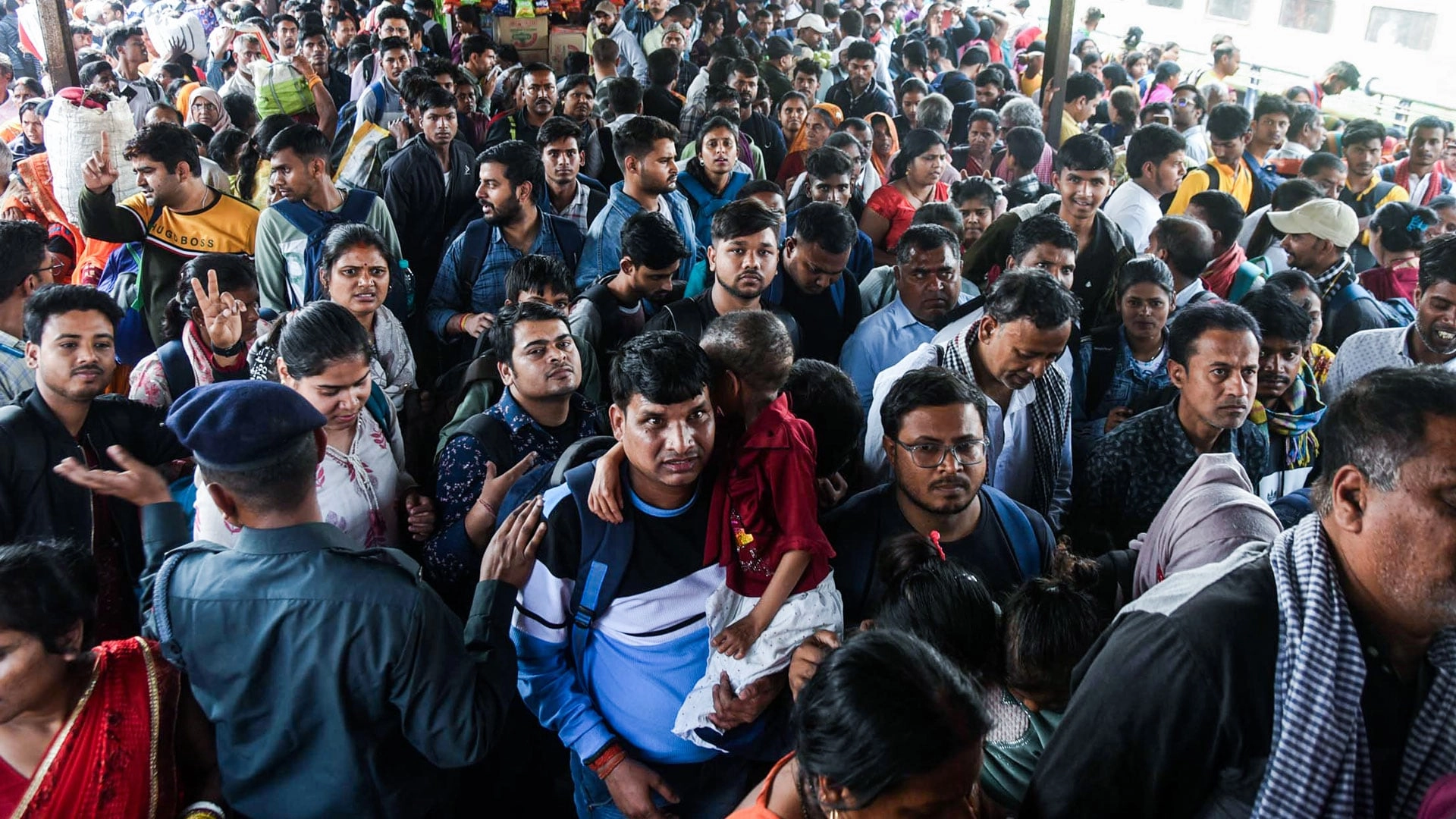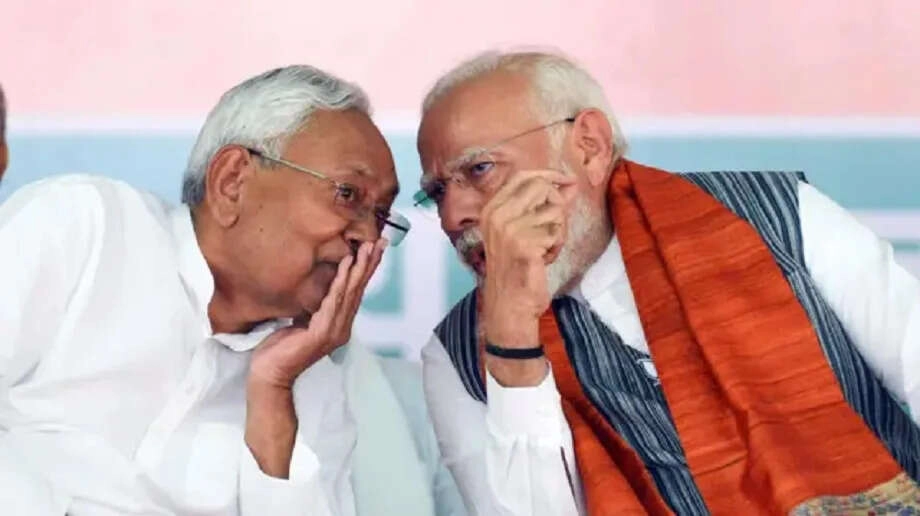
As we approach the end of 2025, the political landscape of the country has been marked by several significant events that have stirred considerable upheaval across the nation. These occurrences have not only influenced the political dynamics but have also had a profound impact on the lives of ordinary citizens. The year has been characterized by a series of elections, protests, and policy changes that have captured the attention of the populace and shaped public discourse.
One of the most pivotal events was the general elections held in mid-2025. These elections witnessed a fierce battle between the ruling party and the opposition, resulting in a deeply polarized electorate. Voter turnout was notably high, reflecting the citizens’ eagerness to voice their opinions and influence the direction of the country. The aftermath of the elections saw widespread debates over election integrity, with various allegations of malpractice surfacing, leading to calls for electoral reforms. This contentious atmosphere fueled protests across major cities, as citizens demanded transparency and accountability from their leaders.
In addition to electoral challenges, significant policy changes were introduced that stirred public sentiment. The government announced a controversial economic reform package aimed at boosting growth, which included tax hikes and cuts to public services. While the administration claimed these measures were necessary for long-term stability, many citizens felt the immediate impact on their livelihoods. This led to organized demonstrations, with citizens rallying in support of social justice and economic equality. The protests highlighted a growing discontent with the political establishment and underscored the urgent need for dialogue between the government and its constituents.
Furthermore, international relations played a crucial role in shaping the political narrative of 2025. Tensions with neighboring countries escalated over territorial disputes, prompting debates on national security and defense policies. The government’s handling of these issues was met with scrutiny, as citizens questioned the effectiveness of diplomatic strategies and their implications for peace and stability in the region. As the year draws to a close, the political climate remains charged, with citizens increasingly engaged in discussions about governance, accountability, and the future direction of the nation.
In summary, the events of 2025 have significantly impacted the political landscape, creating a dynamic environment filled with challenges and opportunities for growth. As the nation grapples with the consequences of these events, it is clear that the political engagement of citizens will play a vital role in shaping the future trajectory of the country. The year has set the stage for potential transformations, as the populace continues to demand greater representation and responsiveness from their leaders.