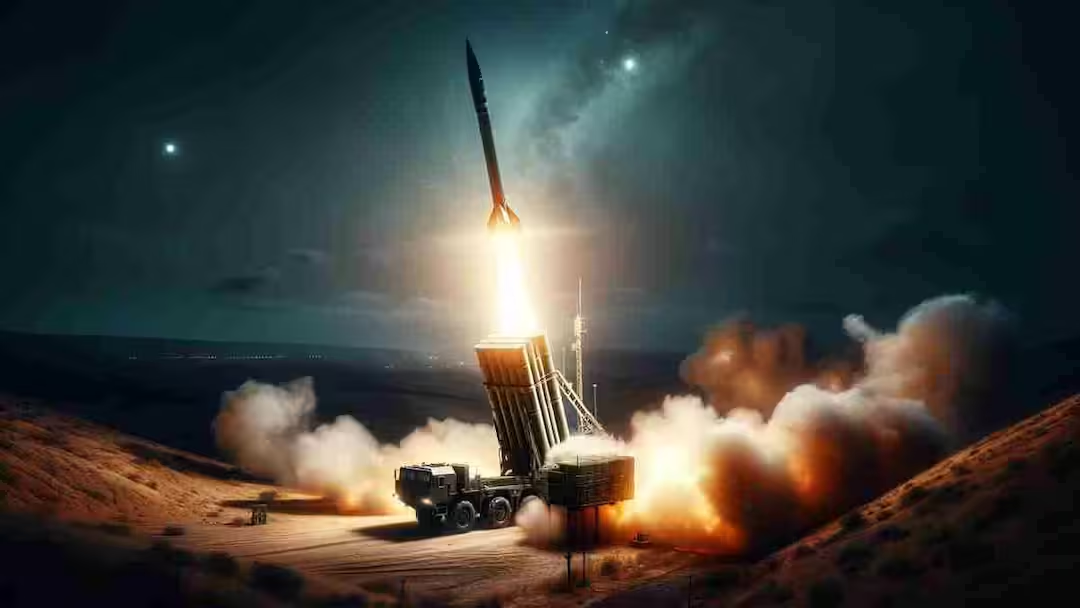
The world has witnessed the devastating impact of weapons throughout history, particularly during times of war. Among the arsenal of destructive tools, five weapons stand out as particularly dangerous, capable of causing catastrophic destruction and potentially swallowing entire nations in their wake. These weapons not only represent advancements in military technology but also embody the grim reality of human conflict and the lengths nations will go to assert power and control.
One of the most notorious examples is nuclear weapons, which have the power to obliterate entire cities and leave lasting consequences for the environment and human health. The bombings of Hiroshima and Nagasaki during World War II serve as a stark reminder of the devastation these weapons can unleash. The sheer magnitude of destruction and loss of life caused by a single nuclear explosion is unparalleled, leading to a global discourse on disarmament and the ethical implications of possessing such armaments.
Another weapon of mass destruction is chemical warfare agents, which can inflict suffering on an unprecedented scale. Substances like sarin gas and mustard gas have been used in various conflicts, causing agonizing deaths and long-term health issues for survivors. The horror of chemical attacks not only devastates the immediate area but also instills fear and panic in populations, making them a psychological weapon as much as a physical one.
Biological weapons, which utilize pathogens to cause disease, pose another significant threat. The potential for a virus or bacteria to be weaponized can lead to widespread outbreaks, overwhelming healthcare systems and causing societal collapse. With advancements in biotechnology, the risk of bioterrorism is a growing concern, as even small-scale attacks can have far-reaching consequences on global health and security.
Finally, the rise of advanced conventional weapons, including drones and precision-guided munitions, has transformed modern warfare. While they may not possess the same immediate destructive capability as nuclear or chemical weapons, their ability to carry out targeted strikes with deadly accuracy can lead to significant loss of life and infrastructure. The implications of these technologies extend beyond the battlefield, as they can impact civilian populations and lead to prolonged conflicts. In summary, the existence and potential use of these five categories of weapons highlight the urgent need for global cooperation towards disarmament and peace, as their consequences can indeed engulf entire nations in devastation.