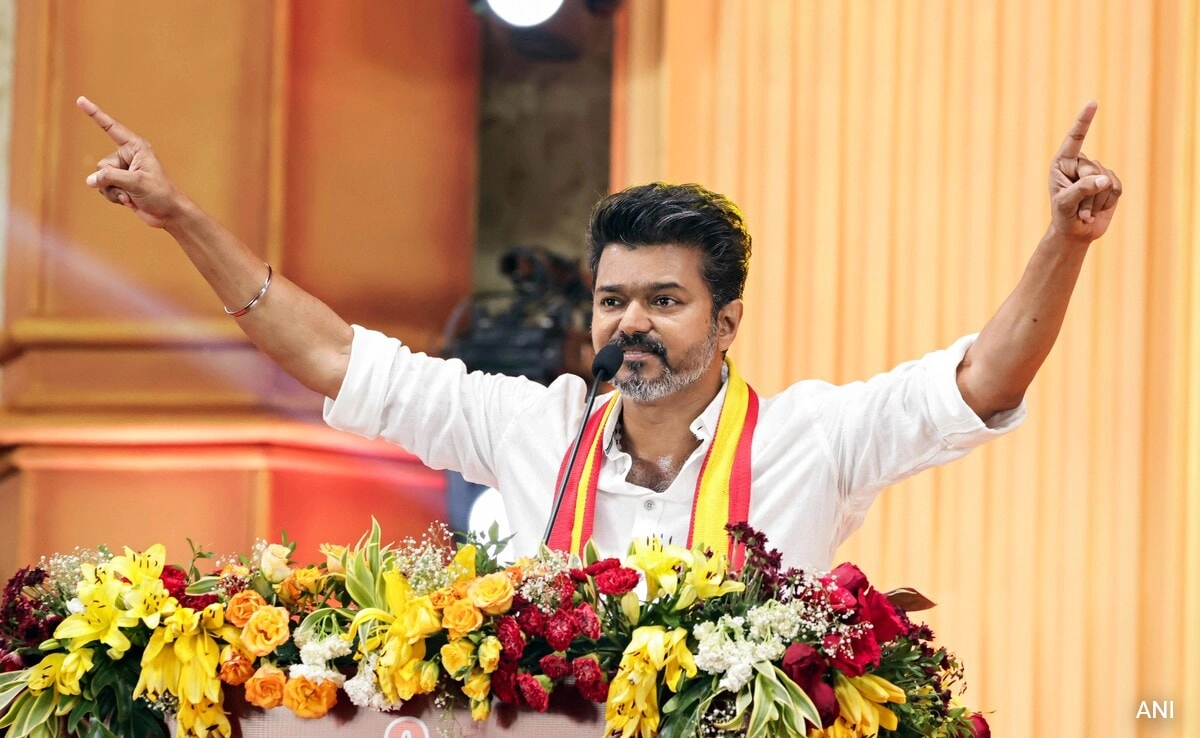
Actor Vijay’s recent hint at potentially contesting from Madurai East in the upcoming elections has generated a whirlwind of reactions among fans and political analysts alike. Known for his widespread popularity and significant influence in Tamil cinema, Vijay’s decision to engage in politics has sparked a conversation about the intersection of celebrity culture and political dynamics in India. His announcement, though vague, raises questions about the motivations behind such a move and the implications it could have for the political landscape in Tamil Nadu.
Supporters of Vijay are enthusiastic about the possibility of him entering the political arena, expressing hope that his charisma and connection with the youth could bring about positive change. Many fans believe that his status as a beloved actor could translate into a strong electoral base, potentially challenging established political parties in the region. This sentiment is rooted in the historical context of film stars transitioning into successful political careers in Tamil Nadu, where the lines between cinema and politics often blur. The excitement among his fanbase reflects a yearning for new leadership and innovative approaches to governance.
On the other hand, Vijay’s hint has also drawn skepticism and criticism from various quarters. Political analysts argue that while celebrity appeal can draw attention, it does not necessarily equate to effective political leadership. Concerns about the lack of experience and a concrete political agenda are prevalent among critics who question whether Vijay can navigate the complexities of governance and public policy. Moreover, some believe that the glamor associated with film stars might overshadow the serious issues facing constituents, potentially detracting from the substantive discussions that are vital in a democratic society.
As the news continues to circulate, the broader implications of Vijay’s potential candidacy are becoming a hot topic of debate. The prospect of a high-profile celebrity entering politics raises important questions about the role of public figures in shaping political discourse and the extent to which popularity can influence electoral outcomes. In a state where cinema and politics are deeply intertwined, Vijay’s move could either invigorate the political scene or highlight the challenges of balancing celebrity status with genuine public service. As the political landscape evolves, all eyes will be on Madurai East to see if Vijay will take the plunge into politics and what that could mean for both his career and the future of Tamil Nadu politics.