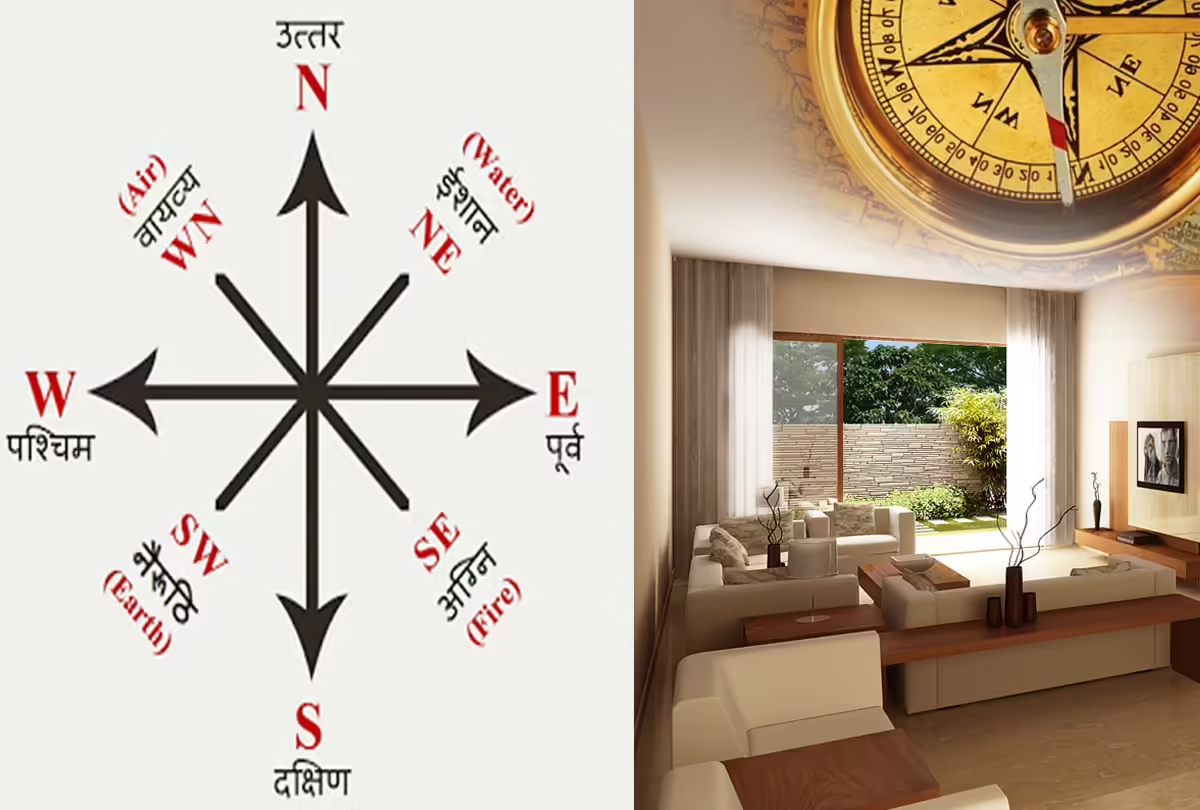
Vastu Shastra, an ancient Indian architectural science, emphasizes the importance of direction and placement in creating a harmonious living environment. Each of the eight cardinal directions—north, south, east, west, northeast, northwest, southeast, and southwest—holds its unique significance and influences the energy flow within a home. Understanding these directions can help homeowners enhance positive energies and mitigate any potential challenges that may arise from improper alignment.
The north direction is often associated with prosperity and wealth, making it a favorable location for entrances and windows. Conversely, the south direction is linked to negative energies and can lead to financial difficulties if not addressed properly. The east direction, symbolizing new beginnings and health, is ideal for the placement of living rooms or study areas, while the west direction is more suited for bedrooms, promoting relaxation and peace.
Northeast is considered the most auspicious direction, often referred to as the “Ishaan” corner, and is ideal for meditation spaces or puja rooms. On the other hand, the southwest direction can pose challenges, as it is associated with instability if heavy objects or structures are placed there. The southeast direction, ruled by the fire element, is best for kitchens, while the northwest is suitable for guest rooms or areas meant for social interaction.
To ensure a balanced and harmonious living space, it is essential to consider these directional influences when designing or renovating a home. Simple Vastu remedies, such as mirrors, plants, and the placement of specific objects, can help counteract negative energies and enhance positivity. By adhering to Vastu principles, homeowners can create an environment that not only supports their well-being but also invites prosperity and happiness into their lives. Understanding the intricacies of Vastu can lead to a more peaceful and productive living experience.