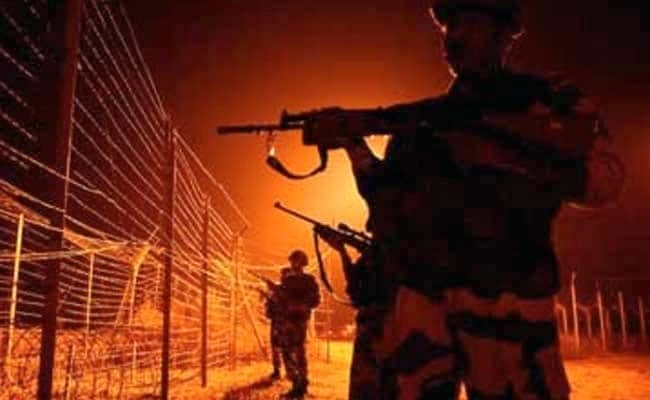
In a recent political clash, a Trinamool Congress leader has made headlines with allegations of a “BSF conspiracy,” claiming that the Border Security Force is being used as a tool by the central government to manipulate voter sentiments in West Bengal. This assertion highlights the ongoing tensions between the state government and the BJP, with accusations that the BSF is acting beyond its mandate to influence the electoral landscape. The Trinamool leader argues that the central government’s deployment of the BSF in border areas is not merely a matter of national security but is also strategically designed to target specific communities and sway them in favor of the BJP during elections. This narrative suggests a deep-seated mistrust of the central authority and raises questions about the politicization of security forces in a diverse and politically charged environment.
In response, a BJP spokesperson has dismissed these claims as mere political theatrics, labeling them as “Vote Bank Bhaijaan” tactics. This retort implies that the Trinamool Congress is leveraging community identities and fears to rally support, rather than addressing substantive issues faced by the electorate. The BJP contends that the security forces operate independently and that the accusations are a diversion from the Trinamool’s own governance failures. The party’s response reflects a broader strategy of reinforcing their stance as a party of law and order, while simultaneously attempting to undermine the credibility of their opponents. This exchange underscores a growing polarization in West Bengal’s political landscape and illustrates how both parties are maneuvering to consolidate their respective voter bases amidst rising tensions.
Such confrontations are not merely political skirmishes; they signify deeper societal divides and the complex interplay of power at both state and national levels. The Trinamool’s allegations and the BJP’s rebuttals encapsulate a larger narrative in Indian politics, where security, identity, and electoral strategies intersect. As the electoral cycle progresses, these issues will likely intensify, drawing in various stakeholders and potentially impacting the civic fabric of the region. The ongoing discourse surrounding the use of security forces in elections raises critical questions about the integrity of democratic processes and the role of state institutions in shaping electoral outcomes. Ultimately, this saga reflects the intricate dynamics of contemporary Indian politics, where every statement and counter-statement carries significant implications for the future of party relations and electoral integrity in West Bengal and beyond.