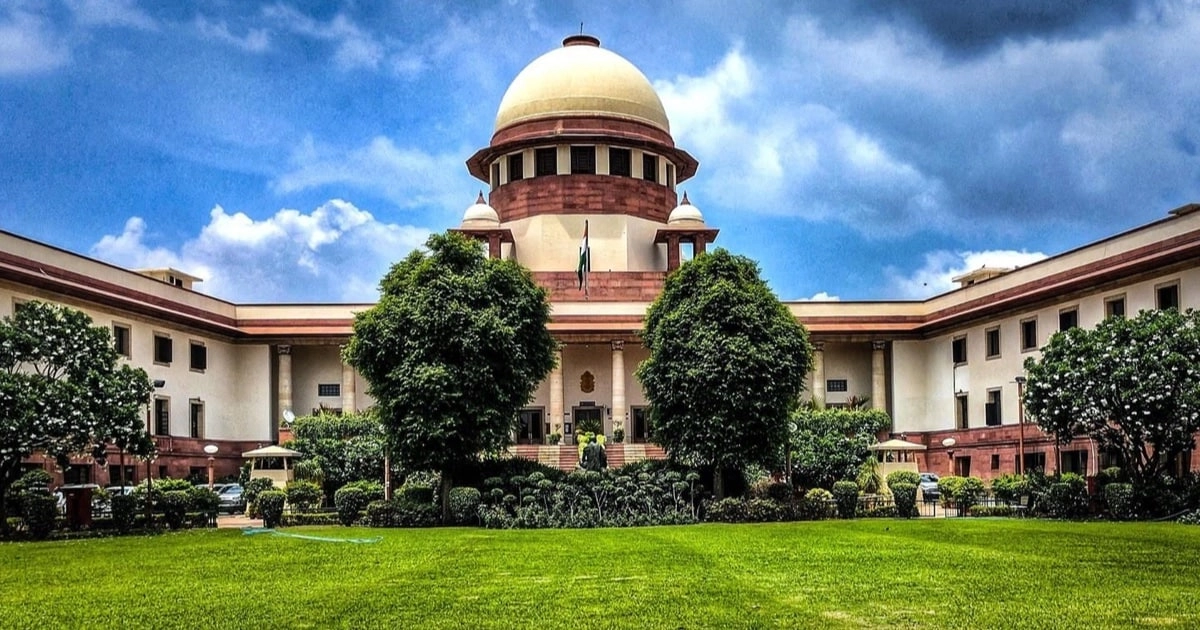
The Supreme Court is set to deliberate on a controversial ruling that has sparked significant public outcry regarding the definition of sexual assault in India. The case in question revolves around a lower court’s order that controversially stated that “grabbing breasts is not rape.” This statement has ignited a fierce debate about the interpretation of sexual violence laws and the broader implications for women’s rights and safety. With the hearing scheduled for tomorrow, the Supreme Court will examine the legal and social ramifications of such a declaration, which many argue undermines the seriousness of sexual offenses.
The lower court’s ruling has been met with widespread condemnation from various sectors of society, including legal experts, women’s rights activists, and the general public. Critics argue that such a viewpoint trivializes the trauma experienced by survivors of sexual assault and contributes to a culture of victim-blaming. The Supreme Court’s decision to take up the matter reflects an acknowledgment of the need for a more nuanced understanding of consent and bodily autonomy in legal contexts. The outcome of the hearing could have profound implications for how sexual offenses are prosecuted in India and how victims are treated within the judicial system.
As the nation awaits the Supreme Court’s ruling, there is a growing recognition of the importance of revisiting and potentially reforming existing sexual assault laws to ensure they adequately protect victims. This case not only highlights the challenges faced by individuals seeking justice in cases of sexual violence but also raises broader questions about societal attitudes towards women’s rights and safety. The Supreme Court’s response could serve as a pivotal moment in the ongoing struggle for gender equality and the protection of women’s dignity in India. The hearing tomorrow will undoubtedly attract significant attention and could set important precedents for future cases involving sexual assault and related offenses.