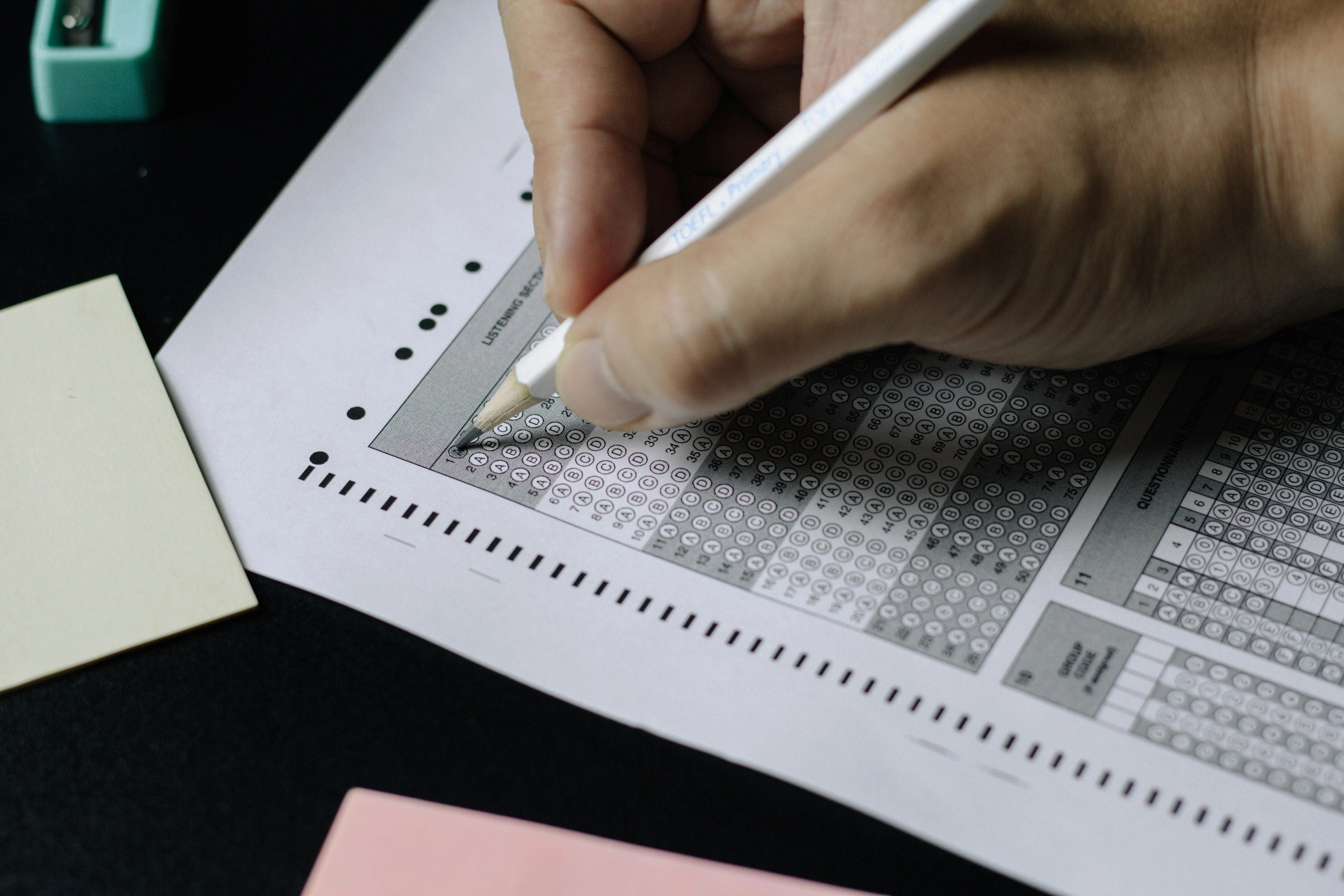
The Supreme Court of India is set to hear a significant plea concerning the National Eligibility cum Entrance Test for Undergraduate courses (NEET-UG), which has been filed by a group of students. This plea arises from an unfortunate incident during the examination when a power cut disrupted the test, leaving many candidates in a state of distress and uncertainty. The petitioners are seeking a re-test for those affected by the power failure, arguing that the integrity of the examination process has been compromised. The NEET-UG is a crucial examination for aspiring medical students, and any disruption during the test can have far-reaching implications on their academic futures.
The students’ plea highlights the challenges faced during the examination, emphasizing that a power outage can significantly hinder a candidate’s performance. The petition points out that NEET-UG is not just another test; it is a gateway to medical colleges across the country, and any unfair circumstances can lead to unjust outcomes for students. Many of the affected candidates believe that their chances of securing a place in a medical college have been adversely impacted due to factors beyond their control. This situation raises questions about the preparedness of the National Testing Agency, which is responsible for conducting the exam, and whether adequate measures are in place to ensure a seamless testing experience for all candidates.
As the Supreme Court prepares to deliberate on this matter, the outcome could set a precedent for how future examination-related issues are handled, particularly those arising from unforeseen circumstances. The court’s decision will not only affect the students who experienced the power cut but could also influence the policies and procedures of examination authorities moving forward. The case underscores the importance of reliable infrastructure during high-stakes examinations and the need for contingency plans to address unexpected events. The students and their advocates are hopeful that the court will recognize the validity of their concerns and take appropriate action to safeguard the interests of all test-takers.
In a broader context, this situation also raises awareness about the challenges faced by educational institutions and examination bodies in India, particularly in ensuring equitable testing conditions. As the educational landscape continues to evolve, it becomes increasingly essential for authorities to implement robust systems that can withstand disruptions. The resolution of this case will be closely watched by students, educators, and policymakers alike, as it reflects on the commitment to fairness and transparency in the educational assessment process.