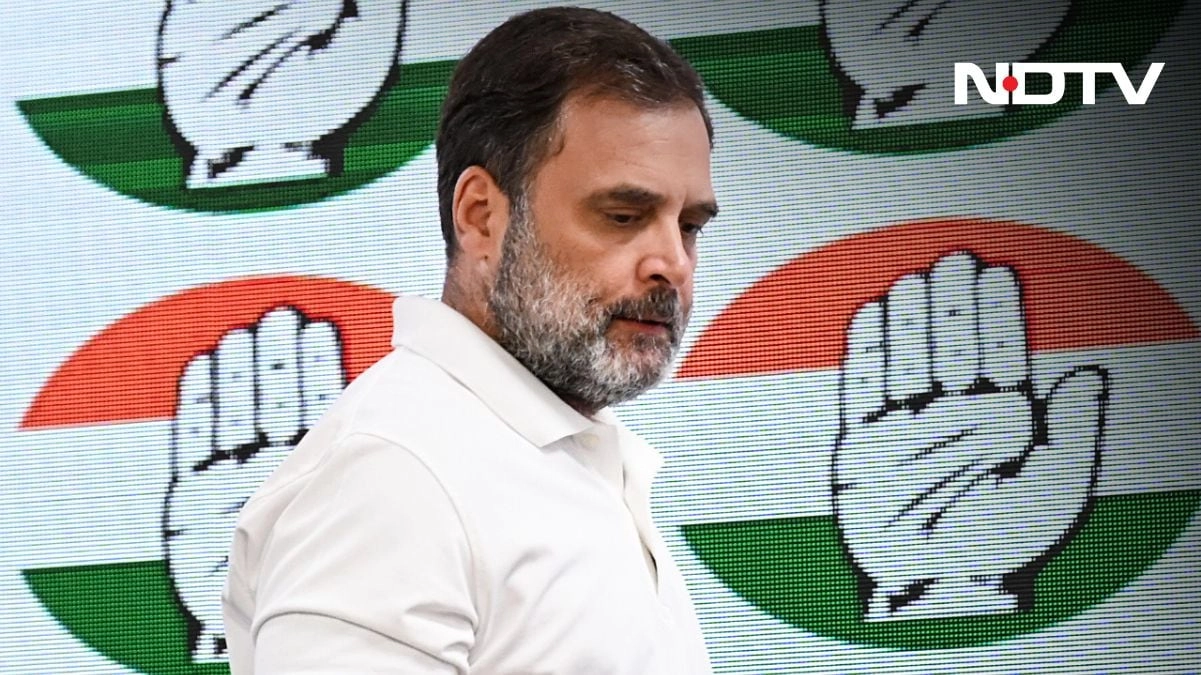
In a recent court proceeding, the Supreme Court of India criticized Congress leader Rahul Gandhi for his assertions regarding China’s territorial claims over 2,000 kilometers of land in India. The court questioned the basis of Gandhi’s claims, emphasizing the need for concrete evidence when making such significant allegations. This exchange highlights the ongoing tensions surrounding border issues between India and China, which have historically been a point of contention in diplomatic relations between the two nations.
The Supreme Court’s remarks underscore the importance of responsible political discourse, especially when it pertains to matters of national security and territorial integrity. By demanding clarity from Gandhi, the court is reinforcing the necessity for political leaders to substantiate their statements with verifiable facts. This incident not only illustrates the complexities of the India-China border dispute but also serves as a reminder of the critical role that accurate information plays in public discussions about sensitive geopolitical matters.
Moreover, the incident raises questions about the political strategies employed by leaders in times of heightened tensions. In a landscape where misinformation can easily spread, the repercussions of unfounded claims can be significant, potentially exacerbating public anxiety and affecting international relations. As the Supreme Court seeks to uphold the standard of evidence in political discourse, it points to the broader responsibility of all political figures to engage in informed and fact-based discussions, particularly when the stakes are as high as national sovereignty and territorial claims.