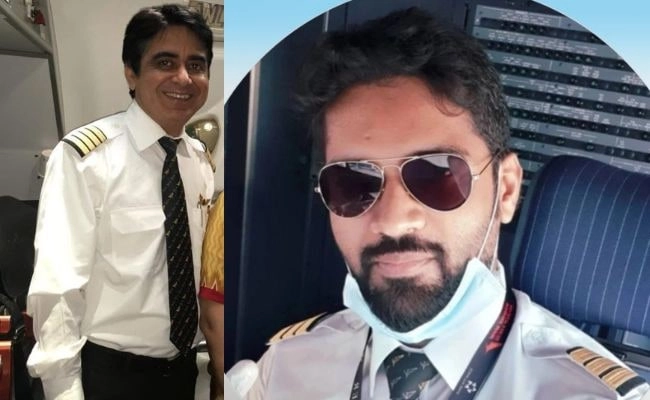
The Supreme Court has described the mention of a pilot’s “fuel cut-off” in the Air India crash report as “unfortunate.” This statement arises amidst ongoing investigations into the circumstances surrounding the tragic incident, which claimed the lives of several individuals and raised significant concerns regarding aviation safety protocols. The court’s remarks reflect a broader concern about accountability and the need for a thorough examination of the factors contributing to such disasters.
In the context of aviation, the role of pilots is crucial, and any reference to their actions can have far-reaching implications. The Supreme Court’s use of the term “unfortunate” suggests a belief that the report may have oversimplified or mischaracterized the complexities involved in the incident. It underscores the need for a detailed and nuanced understanding of the events leading up to the crash, as well as the various elements that may have influenced the pilot’s decision-making process.
This situation highlights the importance of transparency and accuracy in aviation safety reports, as they serve not only to inform the public but also to guide regulatory frameworks and improve safety measures in the industry. The court’s comments may also prompt a re-evaluation of how such reports are drafted and the language used to describe pilot actions, ensuring that they reflect the realities of high-pressure environments faced by aviators. The implications of these findings extend beyond this particular case, as they could influence future investigations and the standards of accountability in aviation.
In summary, the Supreme Court’s characterization of the reference to the pilot’s “fuel cut-off” as “unfortunate” raises critical questions about the interpretation of pilot behavior in crash reports. It emphasizes the need for careful consideration of the complexities surrounding aviation incidents and the vital role that comprehensive investigations play in advancing safety and accountability within the industry. As the legal proceedings continue, the outcomes could have lasting impacts on regulatory practices and the overall culture of safety in aviation.