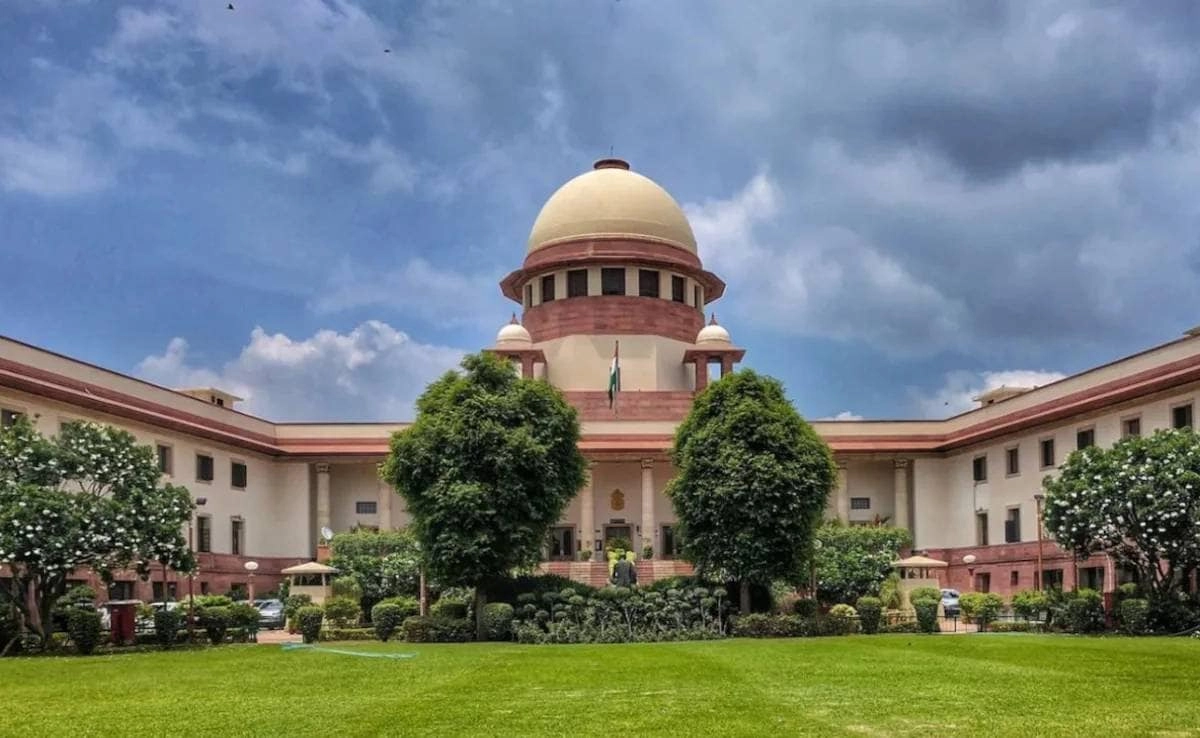
The Supreme Court of India recently expressed strong disapproval of a satirical cartoon created by a cartoonist that depicted Prime Minister Narendra Modi and the Rashtriya Swayamsevak Sangh (RSS) in a critical light. The court characterized the artwork as “inflammatory” and “immature,” underscoring the delicate balance between freedom of expression and the potential for such expressions to incite unrest. The comment was part of a broader discussion on the role of satire in contemporary politics, especially in a country where political leaders and parties often find themselves the subject of public scrutiny and artistic interpretation.
This incident highlights the contentious relationship between political figures and the media, particularly in the context of artistic freedom. Cartoons and satire serve as powerful tools for social commentary, allowing artists to challenge authority and provoke thought. However, the Supreme Court’s remarks suggest that there are limits to this freedom, especially when the content could exacerbate tensions or lead to public disorder. The court’s decision reflects an ongoing debate in Indian society about the responsibilities that come with the right to free speech, particularly when it intersects with issues of national identity and political allegiance.
The ruling also poses questions regarding the role of the judiciary in matters of artistic expression. While the Supreme Court is tasked with upholding the Constitution, including the right to free speech, it must also consider the potential ramifications of that speech. In this case, the court’s characterization of the cartoon as inflammatory raises concerns about how far satire can go in critiquing those in power. Critics of the decision may argue that such judgments could lead to self-censorship among artists, stifling creativity and dissent in a vibrant democratic society.
As the dialogue around art and politics continues, this case serves as a reminder of the complexities involved in expressing dissent through creative mediums. The intersection of art, politics, and law will likely remain a focal point of discussion in India, as society grapples with the implications of freedom of expression in a rapidly changing political landscape. The Supreme Court’s response to the cartoonist’s work reflects broader societal tensions surrounding political representation, artistic freedom, and the role of satire in shaping public discourse.