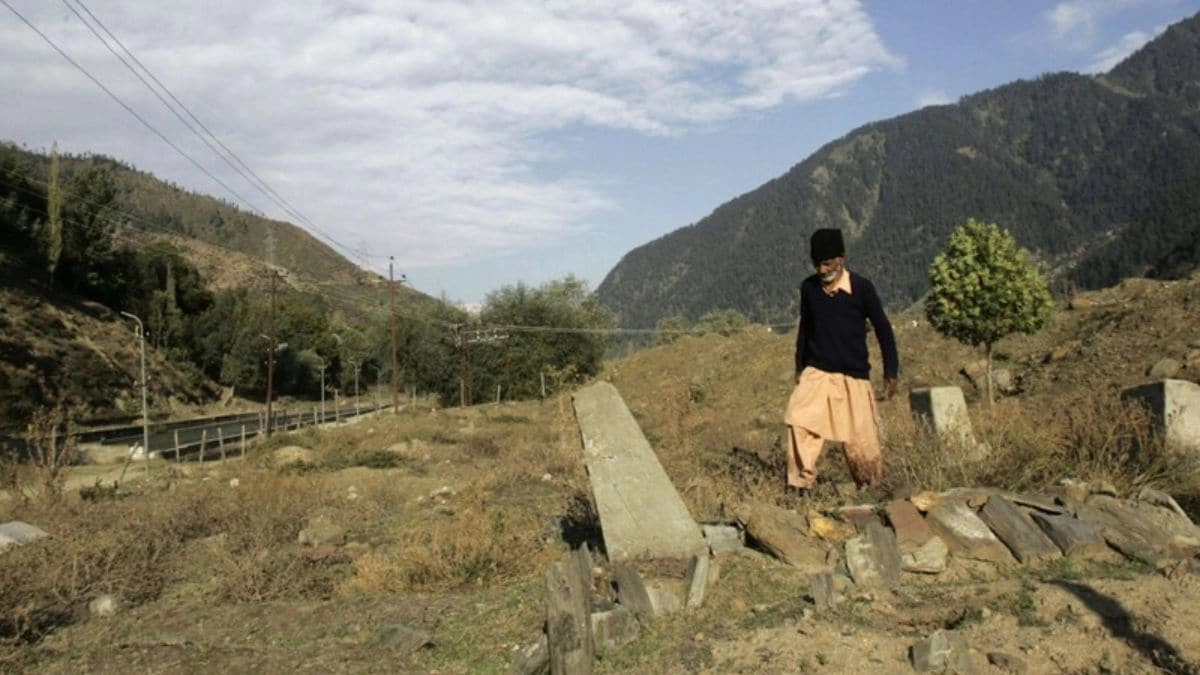
A recent study has emerged challenging the widely circulated claims regarding unmarked graves in Kashmir, asserting that these allegations are largely based on propaganda and a fabricated narrative. The discourse surrounding Kashmir has often been charged with intense emotions and political agendas, which can lead to the distortion of facts. This research posits that the claims of mass graves, particularly those purported to belong to victims of violence in the region, may lack substantial evidence and could be an attempt to shape public perception and international opinion.
The study underscores the importance of critically analyzing sources and the motivations behind certain narratives. It highlights that the presentation of unmarked graves as a widespread phenomenon might serve specific political objectives, potentially aimed at discrediting authorities or garnering sympathy for particular groups. By scrutinizing the data and methodology used in previous claims, the research calls for a more nuanced understanding of the situation in Kashmir, urging stakeholders to distinguish between verified facts and sensationalized accounts.
Furthermore, the researchers emphasize the need for a balanced discourse surrounding the Kashmir conflict, advocating for dialogue rooted in verified information rather than emotionally charged rhetoric. They suggest that fostering an environment of trust and open communication is vital for addressing the complex issues faced by the region. In doing so, it may be possible to move towards a resolution that respects the rights and narratives of all parties involved, rather than perpetuating a cycle of misinformation and conflict.