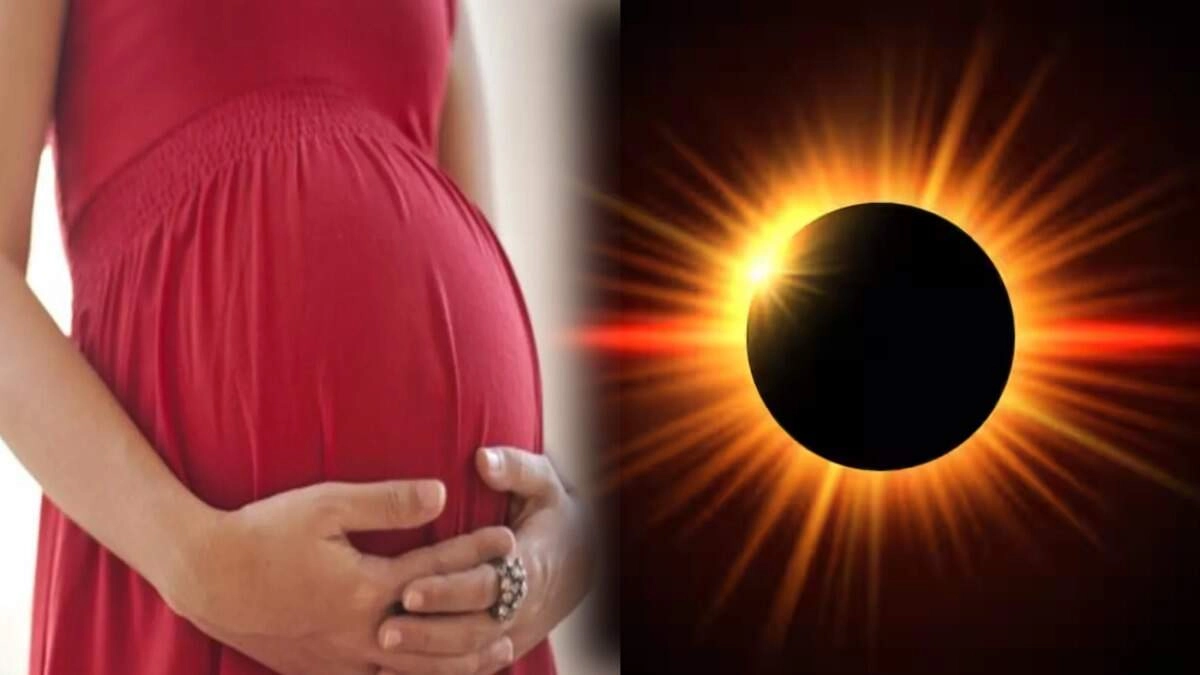
The solar eclipse of 2026 is an astronomical event that not only captivates skywatchers but also raises specific concerns, especially for pregnant women. During an eclipse, the sun’s light is partially or fully obscured, leading to dramatic changes in the environment. While many people view these celestial events as opportunities for wonder and excitement, it is essential for pregnant women to heed certain warnings related to their health and well-being.
One of the primary concerns during a solar eclipse is the potential impact on emotional and mental health. Pregnant women are often more sensitive to changes in their surroundings, and the unusual darkness and abrupt temperature shifts during an eclipse can lead to anxiety or stress. Therefore, it is advisable for expectant mothers to remain indoors during the event, ensuring a calm and stable environment. Additionally, avoiding direct eye contact with the sun is crucial, even during an eclipse, to prevent any harm that could arise from improper viewing.
Moreover, there are traditional beliefs and practices associated with eclipses that suggest pregnant women should avoid certain activities. For instance, many cultures advise against cooking or consuming food during an eclipse, as it is believed that the energy of the eclipse can negatively affect both the food and the health of the unborn child. Instead, pregnant women are encouraged to focus on self-care, engage in relaxation techniques, and spend quality time with loved ones during this time.
In conclusion, while the solar eclipse of 2026 promises to be a thrilling spectacle, pregnant women must take extra precautions to ensure their health and the well-being of their unborn children. By staying informed, avoiding certain activities, and prioritizing mental and emotional stability, expectant mothers can navigate this celestial event safely and enjoyably.