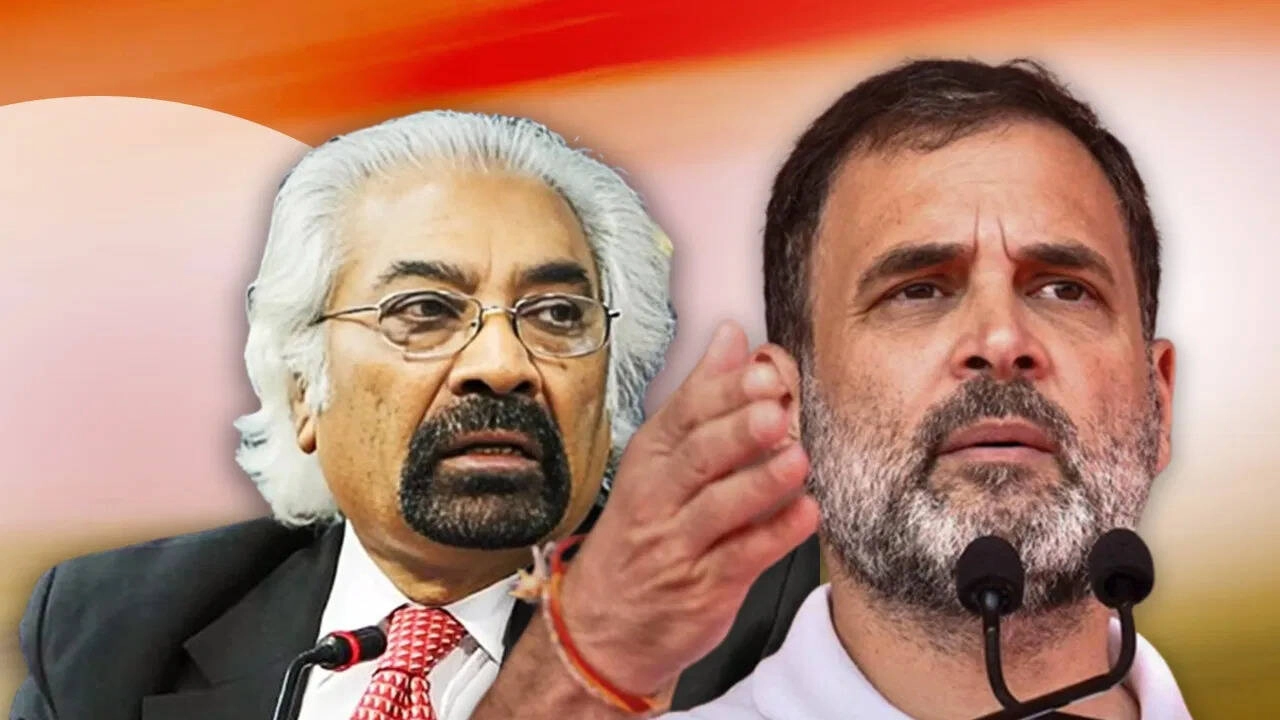
Sam Pitroda, a prominent figure in Indian politics and technology, has recently made some startling revelations regarding the monitoring of Rahul Gandhi, the leader of the Indian National Congress. According to Pitroda, this surveillance extends beyond Indian borders, suggesting that there is an organized effort to keep tabs on Gandhi’s activities, even when he is abroad. This claim raises serious concerns about privacy and the extent to which political figures are being monitored in the current political climate.
Pitroda’s allegations do not stop at surveillance; he has also leveled serious accusations against the central government. He suggests that such actions reflect a broader pattern of authoritarianism where dissent and opposition are not only discouraged but actively targeted. By keeping a close watch on prominent opposition leaders, the government may be attempting to stifle political discourse and maintain control over the narrative surrounding its policies and actions.
The implications of such surveillance are profound, as they not only infringe upon individual rights but also raise questions about the health of democracy in India. If political figures like Rahul Gandhi are indeed being monitored, it signals a troubling trend where the government may be more interested in maintaining power than in upholding democratic principles. Pitroda’s revelations could serve as a wake-up call for citizens to be more vigilant about their rights and the actions of those in power.
In the broader context, these allegations could also affect the dynamics of political opposition in India. If leaders feel that they are being watched and their movements are being tracked, it may lead to a chilling effect on their willingness to speak out against the government. As the political landscape continues to evolve, the significance of Pitroda’s statements cannot be underestimated, as they highlight the need for transparency and accountability in governance.