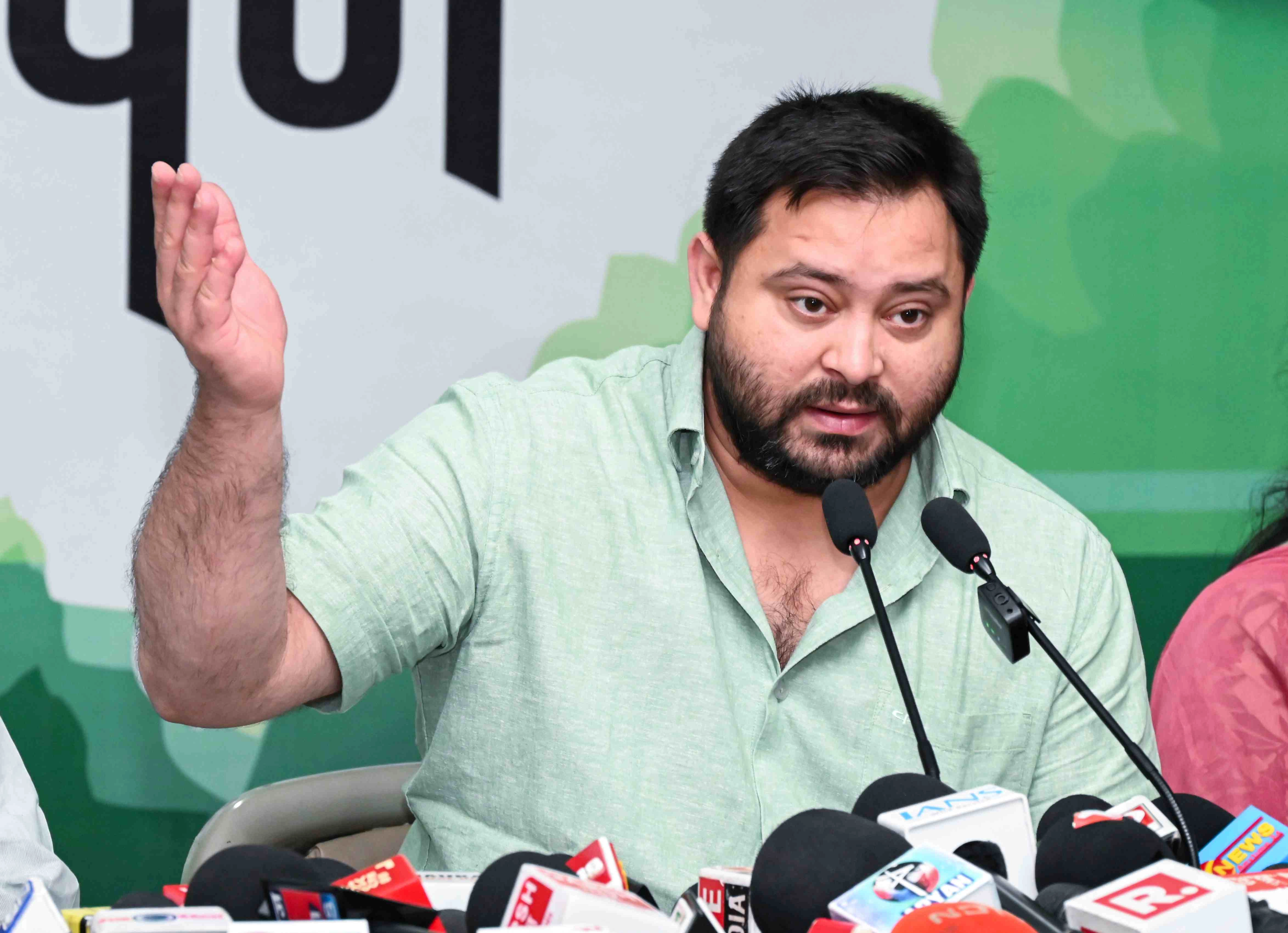
The Rashtriya Janata Dal (RJD), a prominent opposition party in Bihar, has taken a significant step by challenging the recent revision of the electoral rolls in the Supreme Court of India. This move reflects the party’s ongoing concerns about the integrity and fairness of the electoral process in the state. The RJD argues that the roll revision, which is crucial for ensuring the accuracy of voter lists ahead of elections, has been conducted in a manner that undermines democratic practices, potentially disenfranchising a considerable number of eligible voters.
The party’s legal challenge comes in the wake of allegations regarding irregularities in the revision process, including claims of biased removal of names from the voter list. These assertions have raised alarm among party leaders, who contend that such actions could significantly impact the electoral prospects of opposition parties. By taking the matter to the Supreme Court, the RJD aims to seek a judicial review of the roll revision, advocating for transparency and accountability within the electoral framework in Bihar.
The implications of this legal battle extend beyond the immediate concerns of the RJD; they touch upon broader issues of electoral integrity and democratic participation in India. With the Supreme Court being the apex judicial body, its ruling on this matter could set important precedents for future electoral processes not only in Bihar but across the country. As the political landscape in Bihar continues to evolve, the outcome of this challenge could influence the dynamics of upcoming elections, shaping the strategies of both ruling and opposition parties in their bid to secure voter trust and engagement.
In the larger context, this challenge highlights the ongoing tensions between political parties in Bihar, particularly as they navigate an increasingly competitive electoral environment. The RJD’s decision to escalate the matter to the Supreme Court underscores the party’s commitment to protecting the rights of voters and ensuring that the electoral process remains free from manipulation. As the case unfolds, it will be essential to monitor the responses from both the state government and the Election Commission, as well as the reactions from the electorate, who are keenly aware of the stakes involved in maintaining a fair democratic process.