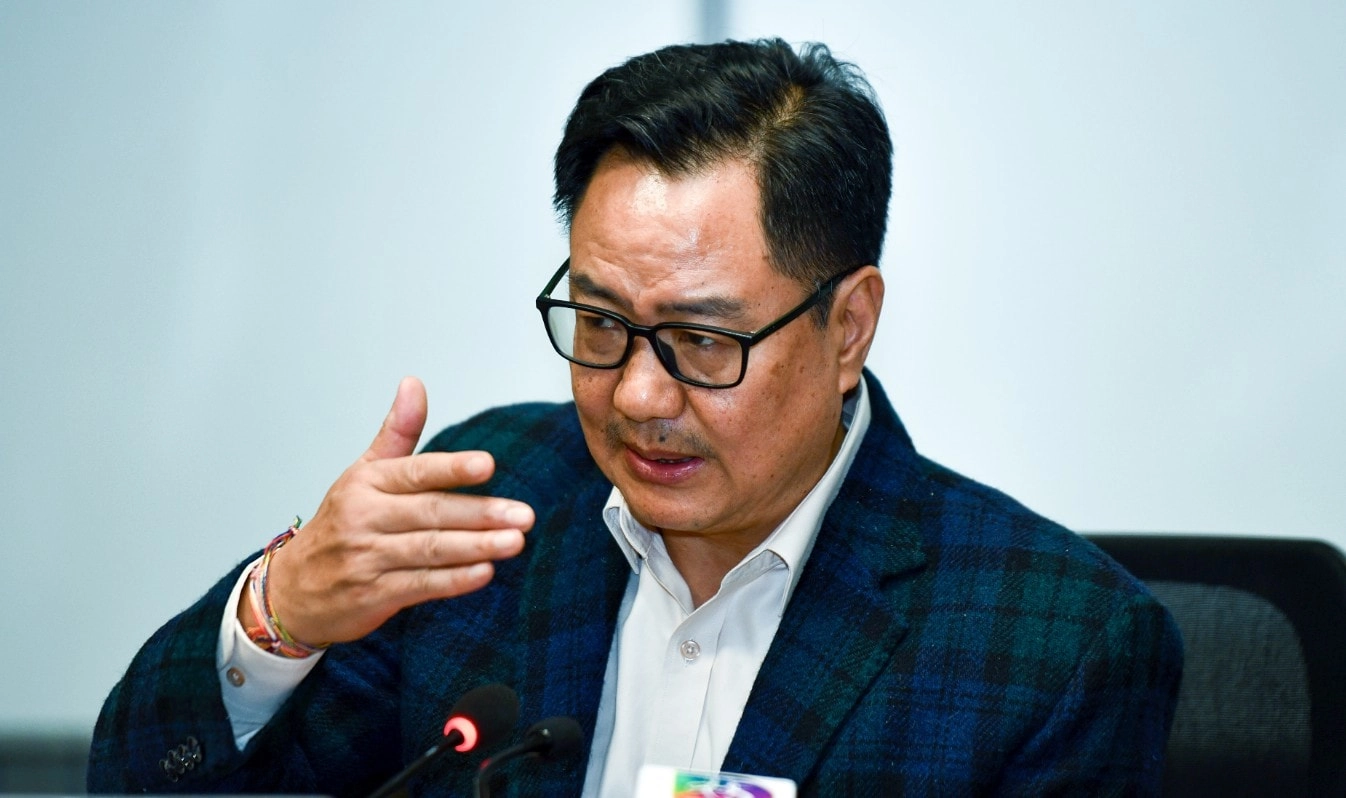
Union Minister Kiren Rijiju recently addressed concerns regarding the occupation of Waqf properties, emphasizing that it is unjust to generalize or blame the entire Muslim community for the actions of a few. His remarks came in the context of ongoing issues related to the management and encroachment of Waqf assets, which are properties designated for charitable and religious purposes in Islam. Rijiju pointed out that while there are legitimate grievances and problems associated with Waqf properties, attributing these issues to all Muslims undermines the diversity and individuality within the community.
Rijiju’s statement is particularly significant in a socio-political climate where tensions often arise around religious identities and their implications for property rights. He stressed the importance of addressing the specific individuals or groups responsible for the unlawful occupation of these assets, rather than casting a wide net that implicates all Muslims. This perspective is crucial in fostering a more nuanced understanding of communal issues, as it recognizes that the actions of a minority do not reflect the beliefs or behaviors of an entire faith group.
Furthermore, Rijiju called for a more concerted effort to protect Waqf properties and ensure that they are utilized for their intended purposes, which ultimately benefit the community as a whole. He urged local authorities to take decisive action against illegal encroachments and to engage with the Muslim community to find collaborative solutions. By advocating for responsible stewardship of Waqf assets, Rijiju is promoting a narrative of cooperation and mutual respect that transcends sectarian divides.
In conclusion, Rijiju’s remarks serve as a reminder of the importance of dialogue and understanding in addressing communal issues. By acknowledging the complexity of the situation surrounding Waqf properties and advocating for fair treatment, he aims to contribute to a more harmonious society where all communities can thrive without the shadow of prejudice or unjust blame. It is essential to continue these conversations, focusing on solutions that uplift rather than divide, ensuring that all groups can coexist peacefully and productively.