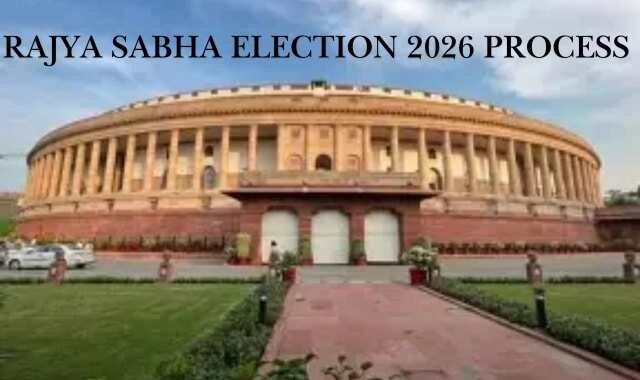
The upcoming Rajya Sabha elections in 2026 have sparked significant political activity across India, with voting dates officially announced for ten states. This development has led to an increase in political maneuvering and strategizing among various parties, as they prepare to secure their positions and influence in the upper house of Parliament. The Rajya Sabha, being a critical component of the Indian legislative system, plays a vital role in shaping national policies and laws, making these elections highly consequential for political parties and their leaders.
States like Maharashtra and West Bengal have become focal points of this political fervor, as parties engage in discussions and alliances to strengthen their chances of winning seats. In Maharashtra, the political landscape is particularly dynamic, with several parties trying to consolidate their voter base and gain an upper hand over their rivals. Meanwhile, in West Bengal, the ruling party is keen on retaining its dominance against a backdrop of a challenging opposition. The strategies being employed reflect the complexities of coalition politics, where parties must navigate alliances and rivalries to maximize their electoral success.
As the election dates draw closer, the political climate is expected to intensify, with increased campaigning and outreach efforts. The Rajya Sabha elections will not only determine the composition of the upper house but will also serve as a barometer for the political health of parties in these states. Observers are keenly watching how national issues, regional dynamics, and party strategies unfold in the lead-up to this crucial electoral event. The outcomes could significantly impact the legislative agenda and the balance of power within the Indian Parliament, making it a pivotal moment in the political calendar.