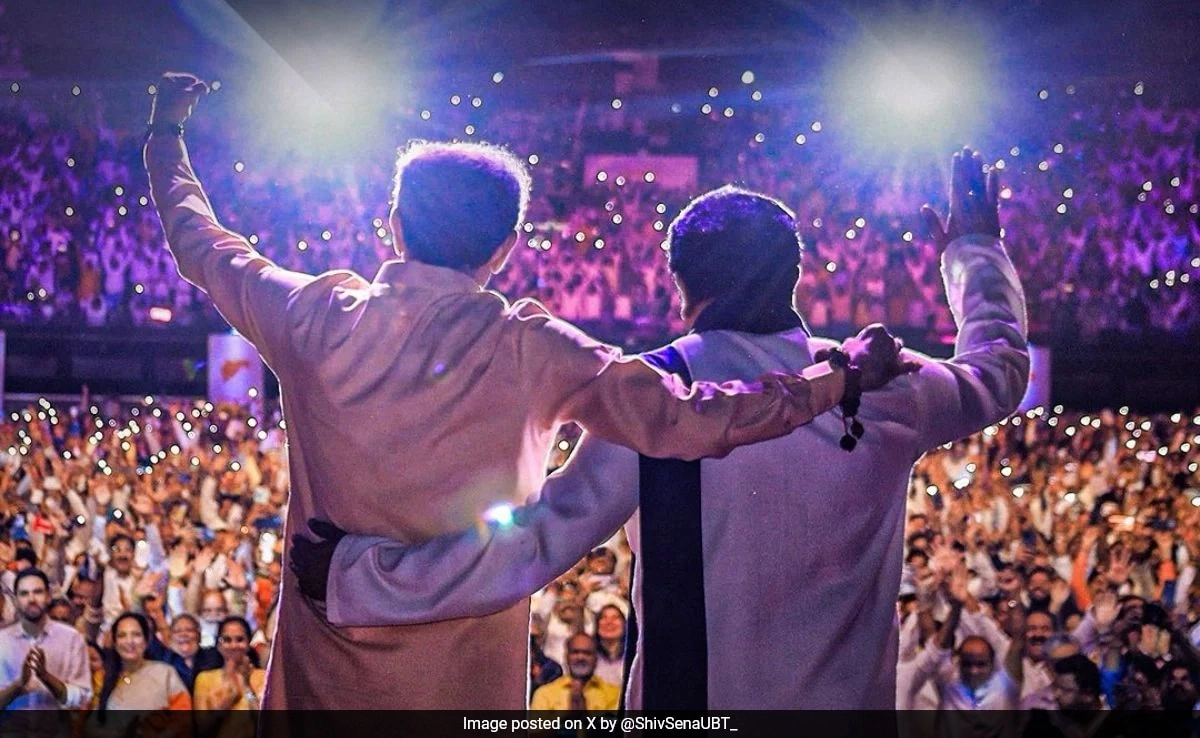
The political landscape of Maharashtra has always been dynamic, characterized by shifts in alliances and the emergence of new leaders. Recently, the prospect of a Thackeray reunion has captured the attention of political analysts and the public alike, as Raj Thackeray and Uddhav Thackeray, two prominent figures in the state’s politics, seem poised to reconcile after two decades of rivalry. The Thackeray family has long been a pivotal force in Maharashtra, and the idea of their reunion not only signifies a potential reconfiguration of political strategies but also evokes a sense of nostalgia among their supporters.
Raj Thackeray, the leader of the Maharashtra Navnirman Sena (MNS), has been vocal about his stance on various issues affecting the state. His approach has often been seen as a challenge to Uddhav’s leadership of the Shiv Sena, particularly after the split that occurred in 2006. However, recent developments indicate a shift in this long-standing animosity. Raj has hinted at the possibility of collaboration, and this newfound openness could be attributed to the changing political tides, which demand unity among regional parties to effectively address the challenges facing Maharashtra.
Uddhav Thackeray, on the other hand, has faced significant challenges since taking over the reins of the Shiv Sena. His leadership has been tested by internal party conflicts and external pressures, especially with the rise of new political players in the state. The suggestion of a reunion with his cousin Raj could be a strategic move, aimed at consolidating their power base and appealing to their shared constituency. Such a union could potentially revitalize both parties, allowing them to present a united front against common adversaries and enhance their electoral prospects in future elections.
The implications of a Thackeray reunion extend beyond mere political strategy; it also resonates with the emotional and cultural sentiments of their supporters. The Thackeray name holds significant weight in Maharashtra, and a collaborative effort between Raj and Uddhav could rekindle the fervor that once characterized their political engagement. As they navigate this complex landscape, it will be interesting to see how they reconcile their differences and work together to address the pressing issues that confront the state, from economic development to social welfare.
In conclusion, the potential reconciliation between Raj and Uddhav Thackeray marks a significant moment in Maharashtra’s political narrative. It is a reminder of the powerful legacy of the Thackeray family and the enduring impact they have on the state’s politics. As they contemplate this reunion, the stakes are high, and the outcome could redefine the future of regional politics in Maharashtra, drawing together a divided faction and reinvigorating their collective vision for the state. The journey toward this reunion, however, will require careful negotiation and a willingness to set aside past grievances for the sake of a united front.