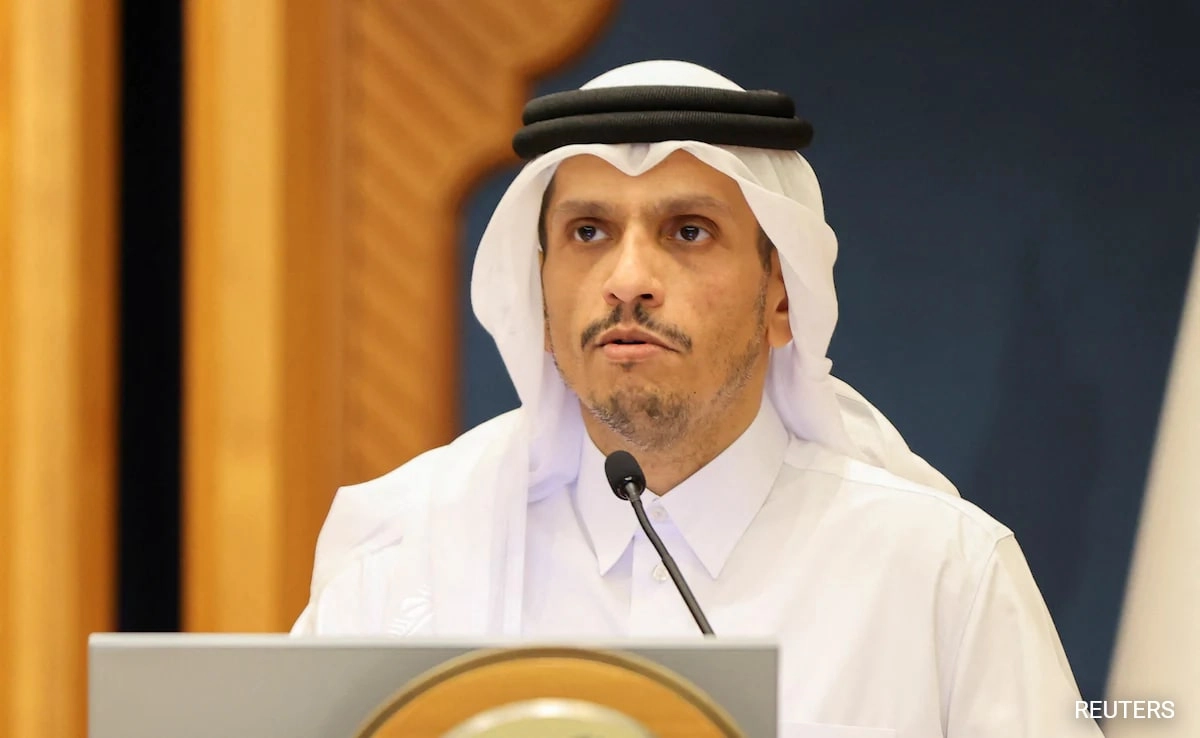
The Prime Minister of Qatar has called upon the international community to reject what he describes as “double standards” in the approach to conflicts and human rights violations, particularly in relation to Israel’s actions in the ongoing conflict. This appeal comes amid rising tensions and violence in the region, where the Prime Minister argues that a consistent and fair application of justice is essential for achieving lasting peace. He emphasized that the selective condemnation of certain nations while overlooking the transgressions of others undermines the credibility of international law and human rights advocacy.
In his remarks, the Prime Minister highlighted the need for accountability, urging global leaders and organizations to stand firm against any form of aggression that violates the rights of individuals and communities. He stressed that failing to address such injustices only perpetuates cycles of violence and suffering. By calling for a united front against what he perceives as a lack of accountability for Israel, he hopes to galvanize a broader coalition of nations that are willing to advocate for a more equitable approach to international relations and conflict resolution.
The Prime Minister’s comments resonate with a growing sentiment among various countries and organizations that seek to address perceived inequities in how international law is applied. He urged for concrete actions and measures to hold those responsible for violations accountable, rather than allowing political considerations to dictate responses to aggression. Such a stance is crucial, he argues, for fostering trust and cooperation in the global community. By addressing these issues head-on, Qatar aims to position itself as a leader in advocating for justice and human rights, urging others to join in this critical effort.
In conclusion, the Prime Minister of Qatar’s call to reject double standards in international politics reflects a broader demand for a more just and equitable global order. His plea for accountability and consistent application of justice underscores the urgent need for the world to reassess its approach to conflicts and human rights violations. As the international community grapples with complex geopolitical realities, it is imperative that the principles of fairness and justice guide responses to aggression, ultimately paving the way for a more peaceful future.