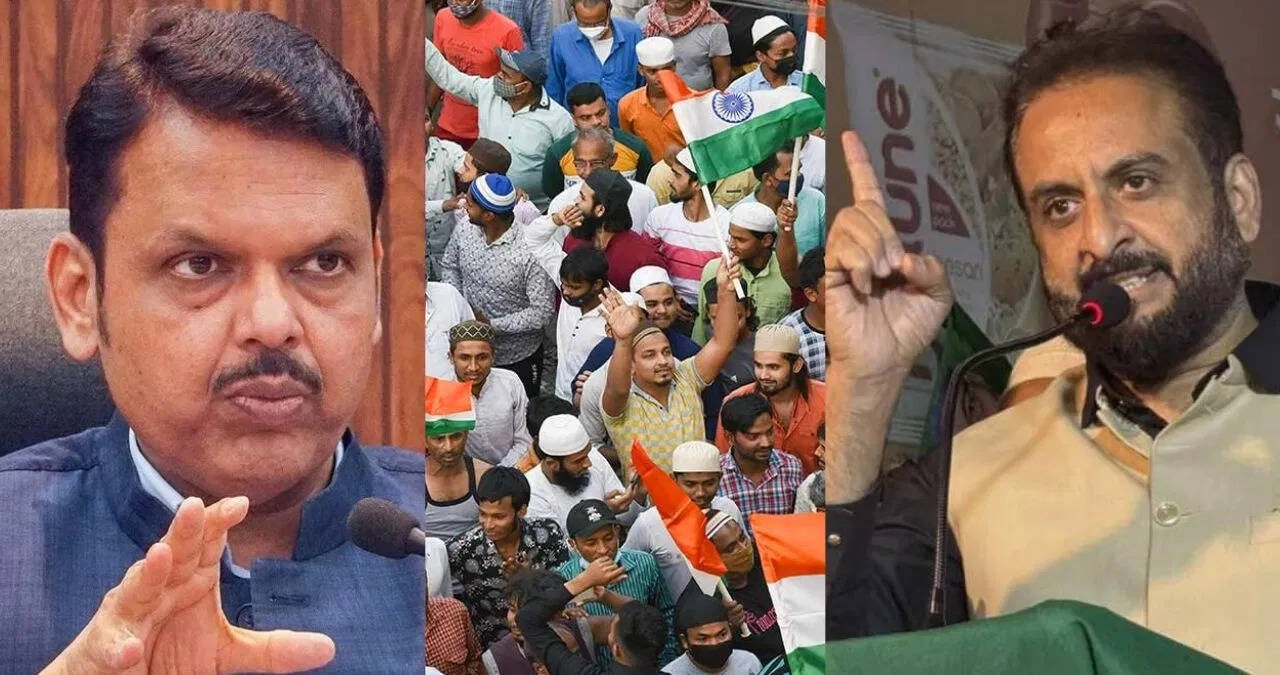
In Maharashtra, a significant political upheaval has emerged surrounding the issue of reservation policies, particularly concerning the Muslim community. The recent decision to abolish the Muslim quota has sparked intense debate and criticism, especially from political parties that advocate for minority rights. The All India Majlis-e-Ittehad-ul-Muslimeen (AIMIM) has voiced strong opposition to this move, characterizing it as a politically motivated decision by the ruling Bharatiya Janata Party (BJP). They have labeled the government’s action as a “gift for Ramadan,” suggesting that it is a deliberate attempt to undermine the Muslim community during a significant religious observance.
The elimination of the Muslim quota is seen by many as a step backward in the fight for social justice and equality in Maharashtra. Supporters of the reservation policy argue that it was essential for ensuring representation and opportunities for marginalized groups within the state. The AIMIM has criticized the BJP for what they perceive as an attack on the rights of minorities, claiming that the government is prioritizing its political agenda over the welfare of vulnerable communities. This decision has ignited protests and discussions among various stakeholders, including civil society organizations, political analysts, and community leaders.
As the situation unfolds, it is clear that the implications of this decision extend beyond mere policy change. It reflects the ongoing tensions in Maharashtra’s political landscape, where issues of caste, religion, and identity play a crucial role. The AIMIM’s response highlights the growing discontent among minority groups, who fear that their rights are being eroded under the current administration. The political discourse surrounding reservation policies is likely to intensify, with various factions vying for support and attempting to mobilize their bases ahead of upcoming elections. This episode serves as a reminder of the complexities involved in governance and the challenges of balancing the interests of diverse communities within a pluralistic society.