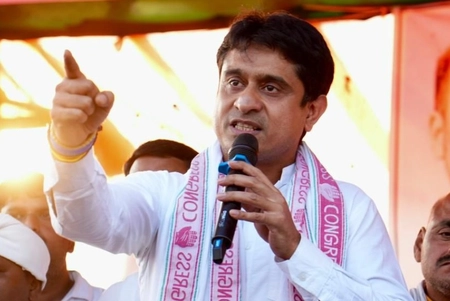
The arrest of Uday Bhanu Chib has sparked a political battle among various parties in India. The Bharatiya Janata Party (BJP) and Janata Dal (United) [JD(U)] have labeled his arrest as a criminal matter, indicating that they view it through a lens of serious legal implications. This perspective suggests that they believe there are substantive charges against Chib that warrant such action, which may be part of a broader narrative that political opponents are trying to construct around him. The framing of the arrest as a criminal issue indicates that these parties may be attempting to distance themselves from any association with wrongdoing, thereby positioning themselves as defenders of the law.
On the other hand, the Indian National Congress has raised questions regarding the circumstances and motivations behind Chib’s arrest. Their skepticism implies a belief that the action taken against him could be politically motivated rather than purely legal. Congress’s critique reflects a common theme in Indian politics, where arrests and legal actions are often scrutinized for potential bias or ulterior motives. They may argue that such actions are part of a larger strategy to silence dissent or target political rivals, rather than being based on genuine legal infractions. This has led to a charged atmosphere where political parties are not just engaging in legal debates, but also in a war of narratives, each trying to sway public opinion in their favor.
The situation highlights the complexities of Indian politics, where legal issues frequently intersect with partisan agendas. The reactions from the BJP, JD(U), and Congress illustrate how arrests can become focal points for broader political disputes. As each party seeks to reclaim the narrative surrounding Uday Bhanu Chib’s arrest, the implications extend beyond just one individual’s legal troubles. This incident serves as a reminder of how political power dynamics play out in the public sphere, influencing perceptions and potentially affecting future electoral strategies. The broader ramifications of such events can shape party identities and voter alignments in the long run.